The Story
Why it exists.
The beginning
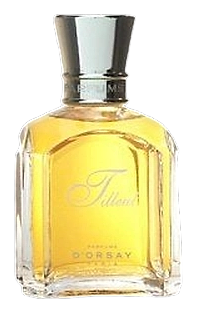
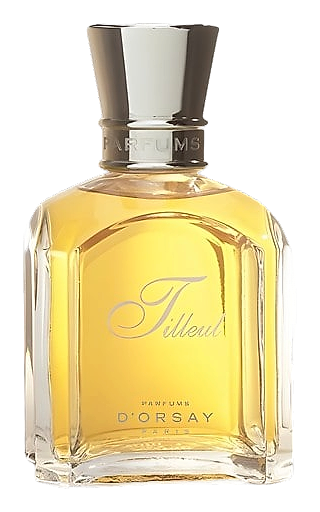
Tilleul was reimagined in 1995 by perfumer Olivia Giacobetti, who approached linden blossom with a philosophy that set her apart. Rather than treating it as a note to force into a composition, she understood it as a mood to preserve, something to let breathe rather than control. The resulting fragrance carries a green, slightly sweet character that feels more like an impression of a tree in bloom than a literal floral. It avoids heavy woods and instead finds its grounding in the quiet, honest presence of the linden in full flower. The composition doesn't announce itself, it simply exists with a quiet confidence that feels utterly unlike the louder florals of its era.
Linden blossom is rare in Western perfumery. D'ORSAY chose to feature it not as a statement but as something softer, more intimate. The watermelon in the top note provides an unexpected watery freshness that cools the opening, while lemon leaf grounds it with a green, slightly bitter edge. In the base, beeswax and acacia wood give the composition warmth without overwhelming sweetness. The result is a fragrance that smells like a specific place and time, not a category. There is an understated quality to how Tilleul unfolds, a restraint that invites rather than demands attention.
The evolution
Lemon leaf and watermelon hit first, green and clean with a subtle juiciness that feels like biting into a ripe slice. The linden blossom arrives gradually, settling into the composition rather than taking it over. The cyclamen adds a faint floral lift beneath the surface, giving the heart a delicate complexity. As the fragrance develops, the beeswax and hay begin their slow emergence from the base, adding warmth that rounds out the green edges. The drydown is soft and close, with acacia wood providing a quiet woody finish that lingers near the skin. The honeyed warmth of the beeswax lingers as the green notes integrate into the base rather than disappearing entirely.
Cultural impact
Tilleul occupies a unique position in the green floral category. Its character is neither the sharp, ozonic freshness of certain nineties releases nor the heaviness of dominant white florals. The fragrance strikes a balance that feels both timeless and specific. Its sillage remains moderate, with a projection that stays close and intimate rather than announcing itself across a room. It is the kind of scent that draws people in rather than pushing outward, making it a quiet personal presence that remains with you throughout the day.