Acacia Wood
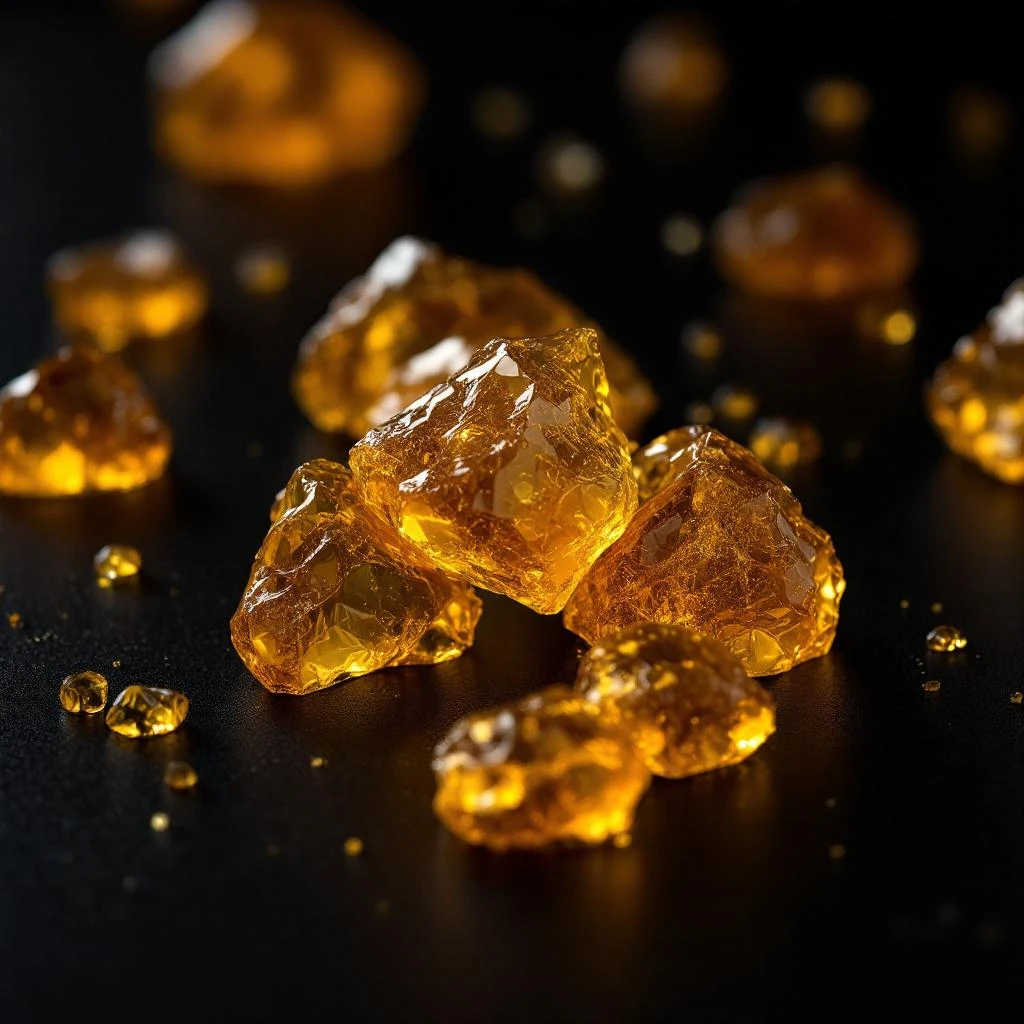
Warm, powdery, and subtly sweet, acacia wood lends a delicate floral-woody character rarely found in perfumery. This rare heartwood absolute brings quiet elegance to high-end compositions.
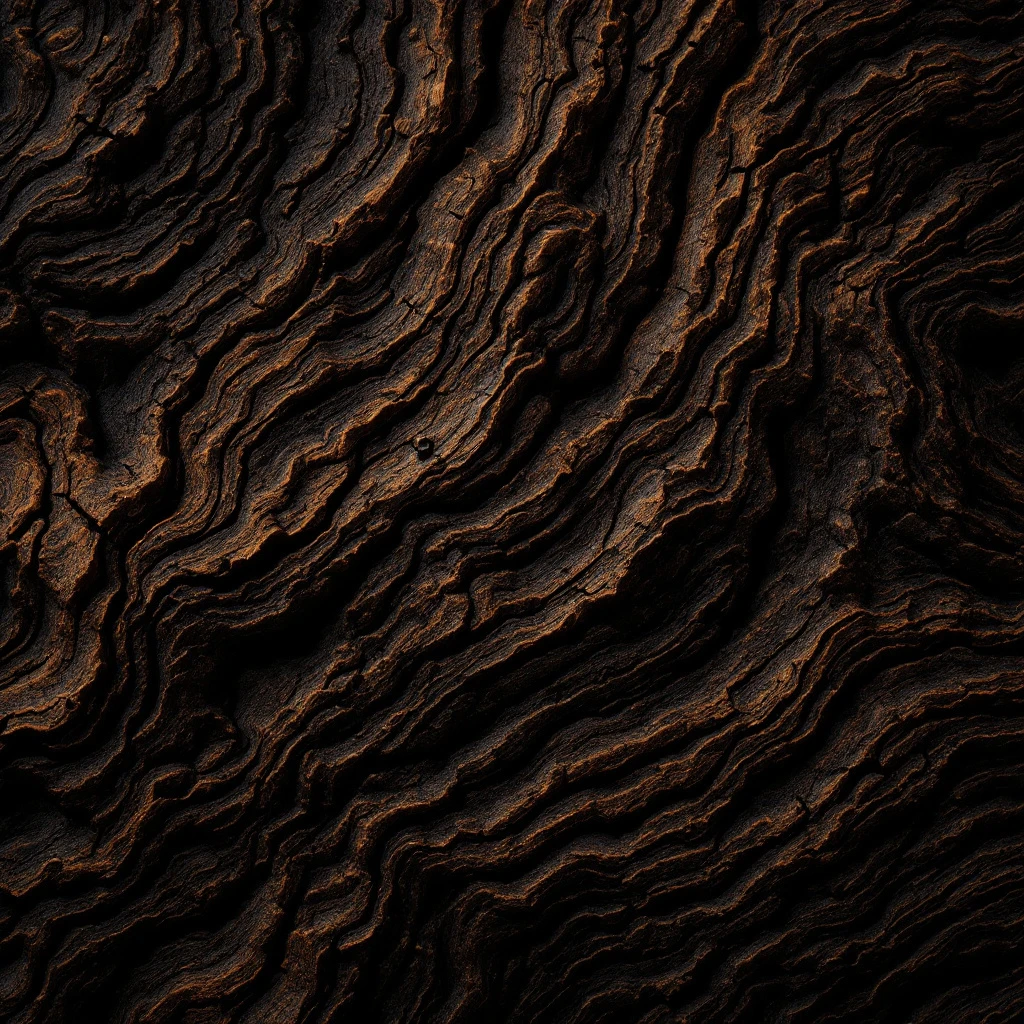
Character
How it smells
A whisper of warm wood with honeyed grace.
Ancient Egyptians burned acacia wood as incense, believing it carried prayers directly to the gods.
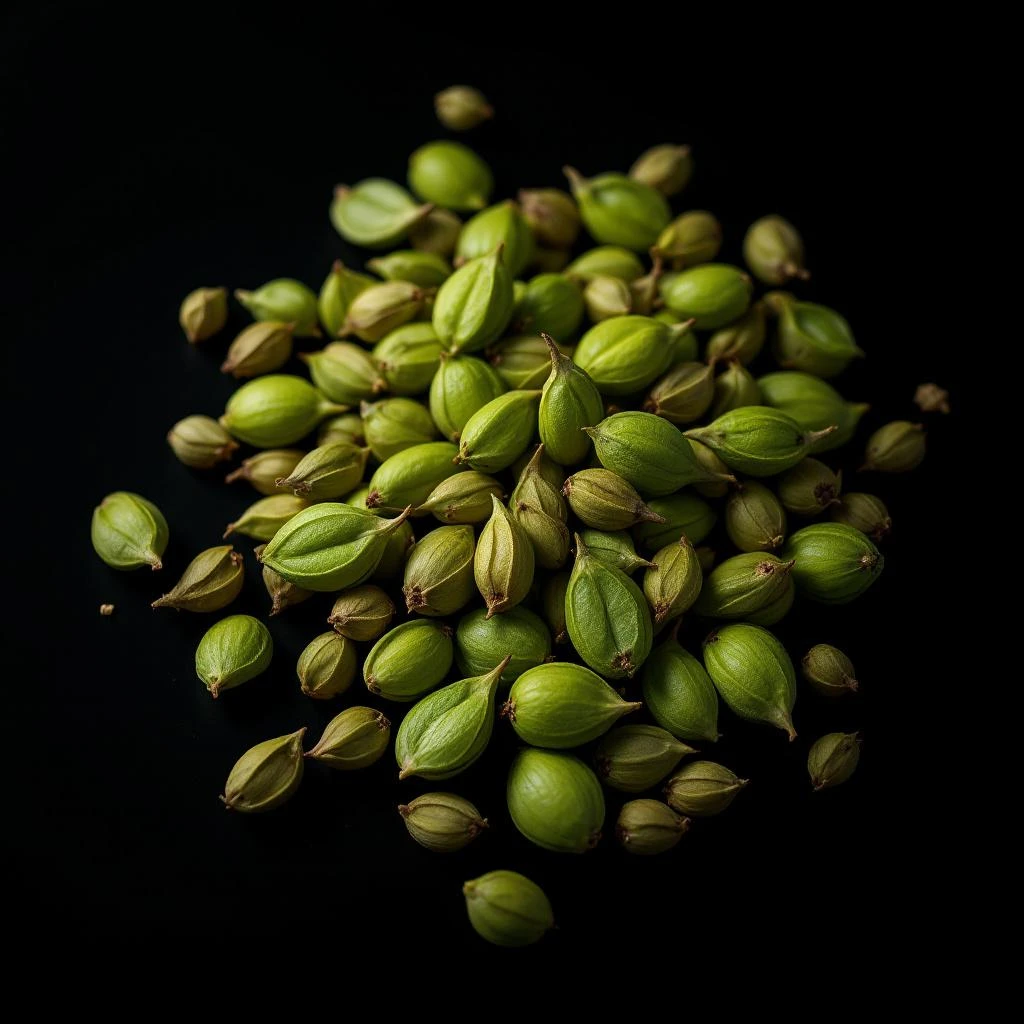
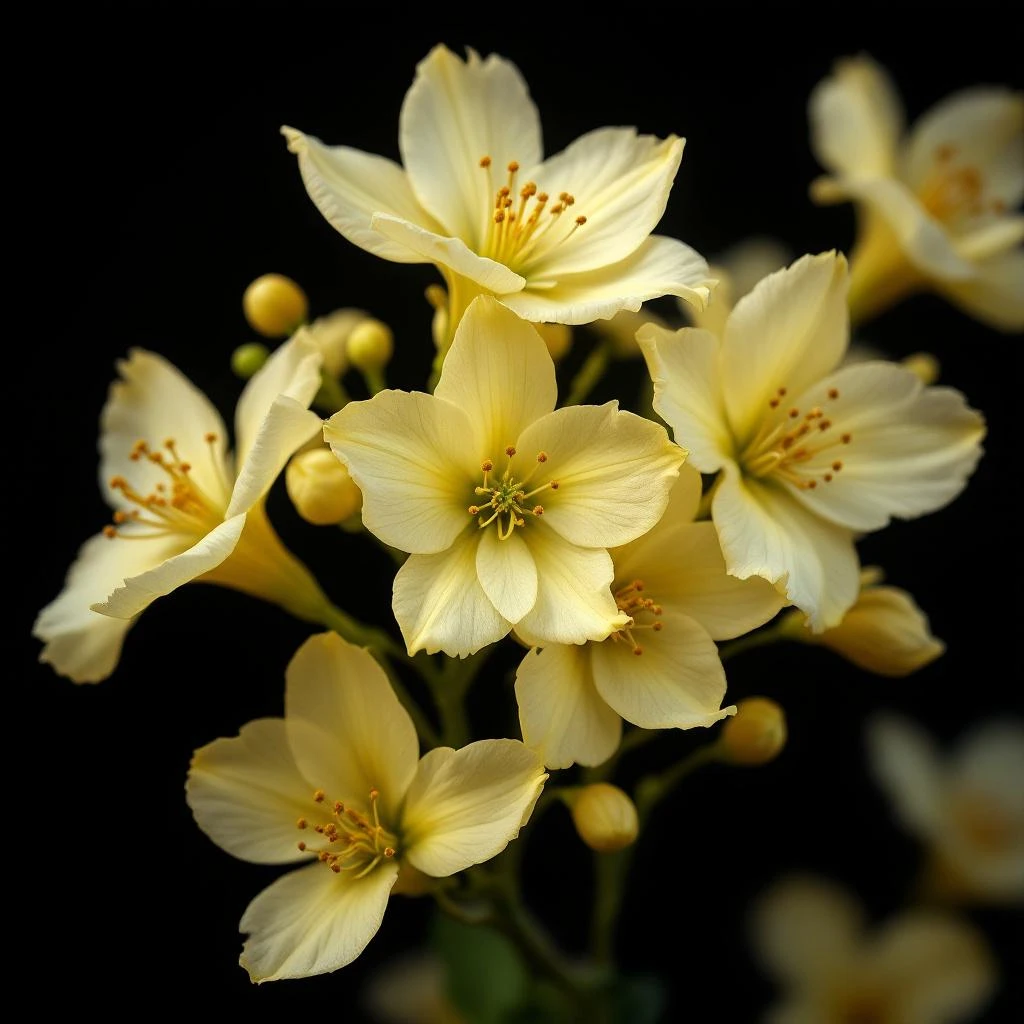
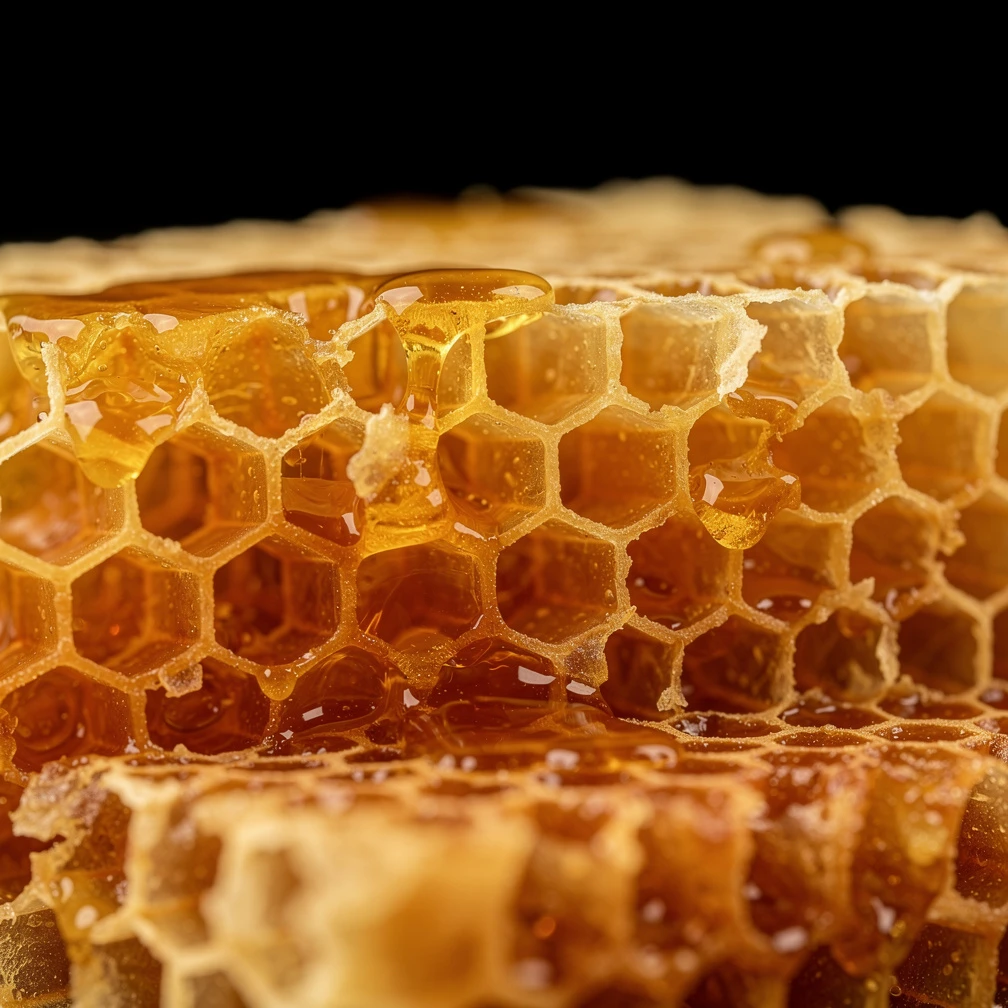
Origin
Australia
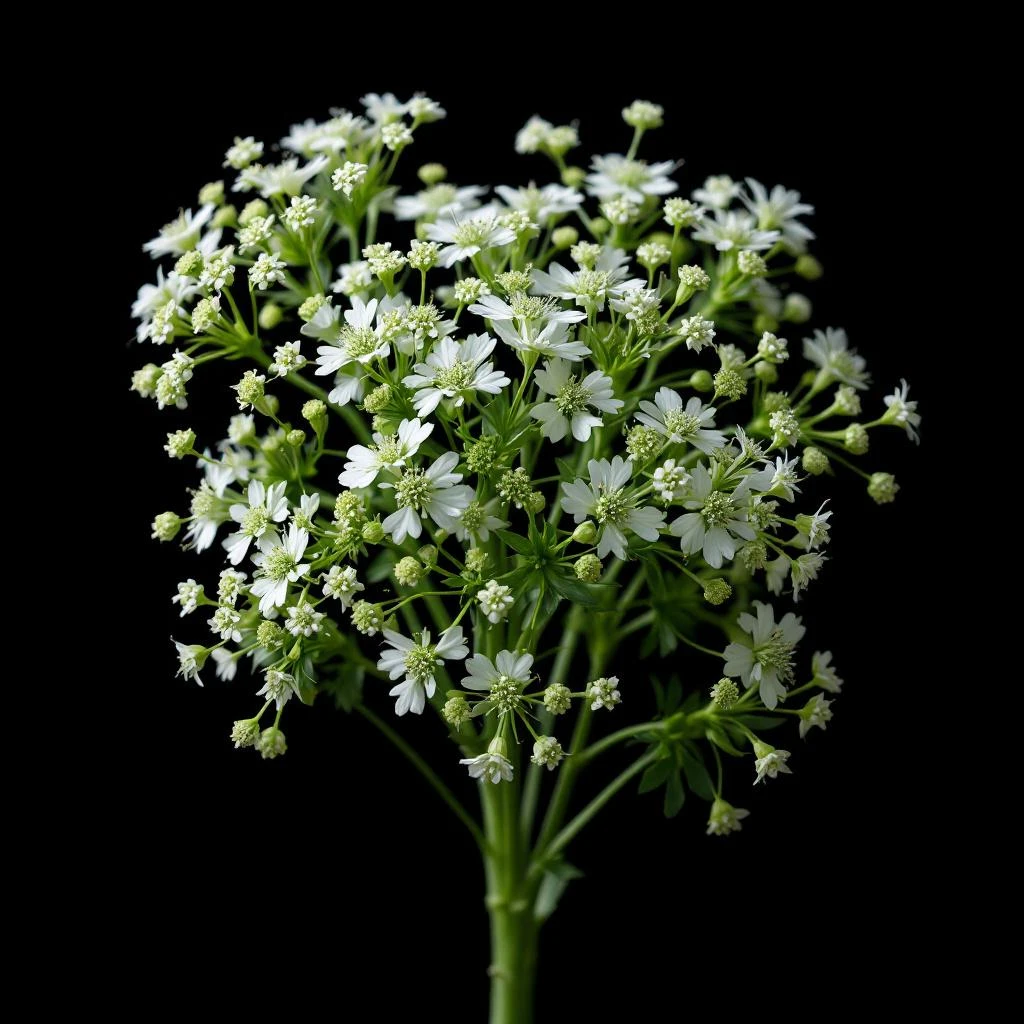
Acacia held profound significance in ancient Egyptian culture, where priests burned its wood during funeral rites, believing it symbolized resurrection and immortality. The tree's ability to thrive in harsh desert conditions made it a powerful symbol of enduring life.
Joseph Banks documented Australia's native acacia species during his 18th-century voyages, noting their aromatic properties. African perfumers have long prized local acacia species for incense and ceremonial fragrances.
The material fell from common use during the 20th century's synthetic revolution but returned to niche perfumery as interest in natural materials grew. Today, acacia wood absolute remains one of perfumery's quieter treasures, appearing in perhaps a dozen high-end fragrances worldwide.
Wears it best
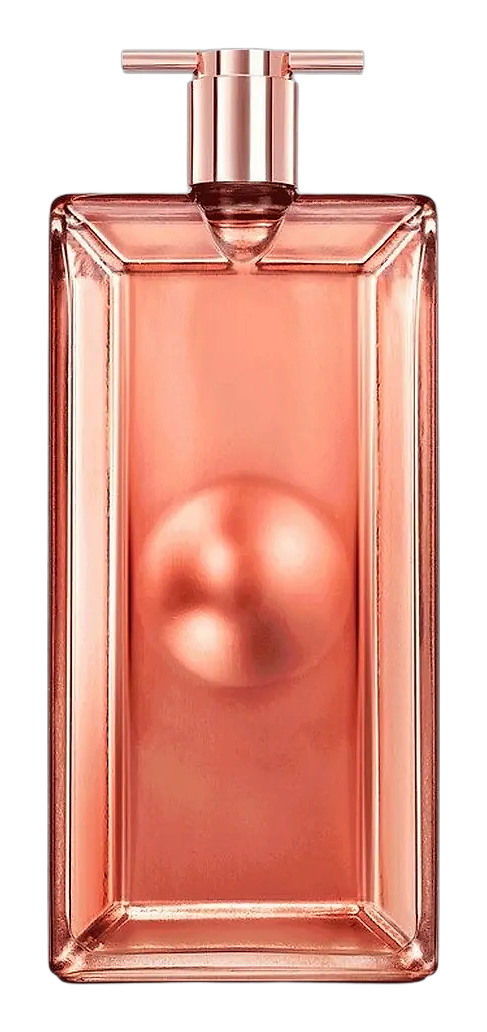
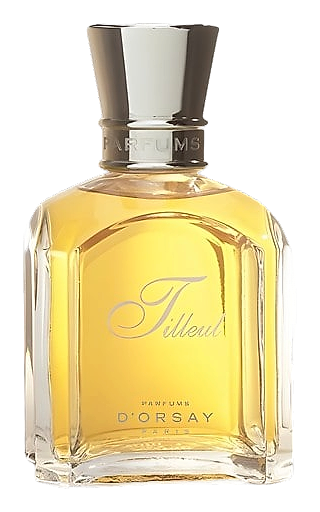
Fragrances featuring Acacia Wood


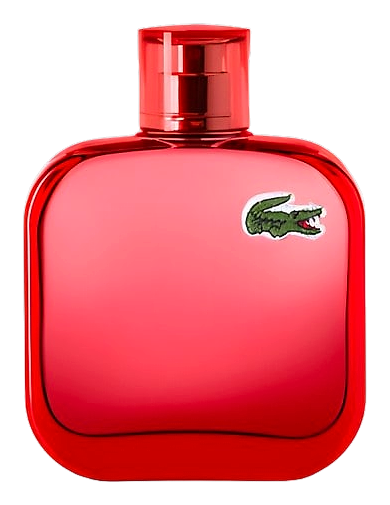
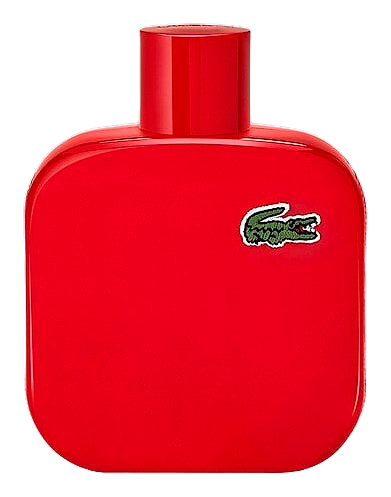
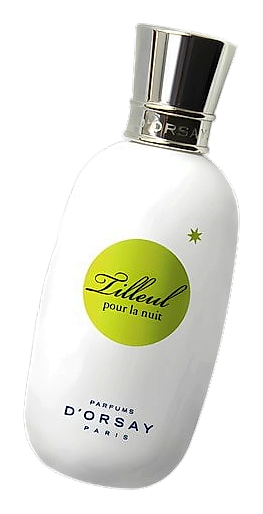
Brands
Brands known for Acacia Wood
Good to know
Questions, answered
The essentials on Acacia Wood in perfumery: how it smells, where it comes from, and how it behaves on skin.
What does acacia wood smell like?
Acacia wood absolute offers a warm, powdery aroma with subtle honeyed sweetness and delicate floral undertones. It reads as soft, rounded wood rather than sharp or smoky.
Which parts of the acacia plant are used in perfumery?
Perfumery uses only the dried heartwood of mature acacia trees. The heartwood concentrates the aromatic compounds that give this material its characteristic warm, sweet profile.
Is acacia wood used as a natural or synthetic ingredient?
Acacia wood absolute is a natural material. No widely-used synthetic equivalent captures its exact character, though aroma chemicals like heliotropin sometimes approximate aspects of its profile.
What fragrance families pair well with acacia wood?
Acacia wood blends naturally with iris, violet, tonka bean, and other powdery materials. It also complements warmer woods like sandalwood and extends floral compositions with subtle woody depth.
Why is acacia wood so rare in modern perfumery?
The solvent extraction process requires substantial quantities of dried heartwood from mature trees. Limited supply and labor-intensive processing make this material expensive and uncommon.
How does acacia wood feature in fragrance history?
Ancient Egyptians used acacia in funeral incense, associating it with resurrection. It appeared in traditional African perfumery before largely disappearing from commercial fragrances during the 20th century.
Can acacia wood be substituted in formulations?
No direct substitute captures acacia wood's specific warm-powdery character. Iris and violet woods offer similar powdery qualities but lack the honeyed warmth that defines acacia wood absolute.
How is acacia wood sustainable?
Sustainable sourcing requires harvesting only from managed forests where trees are selectively cut. Some producers cultivate acacia on plantations specifically for perfumery use, reducing pressure on wild populations.