Rooibos Tea
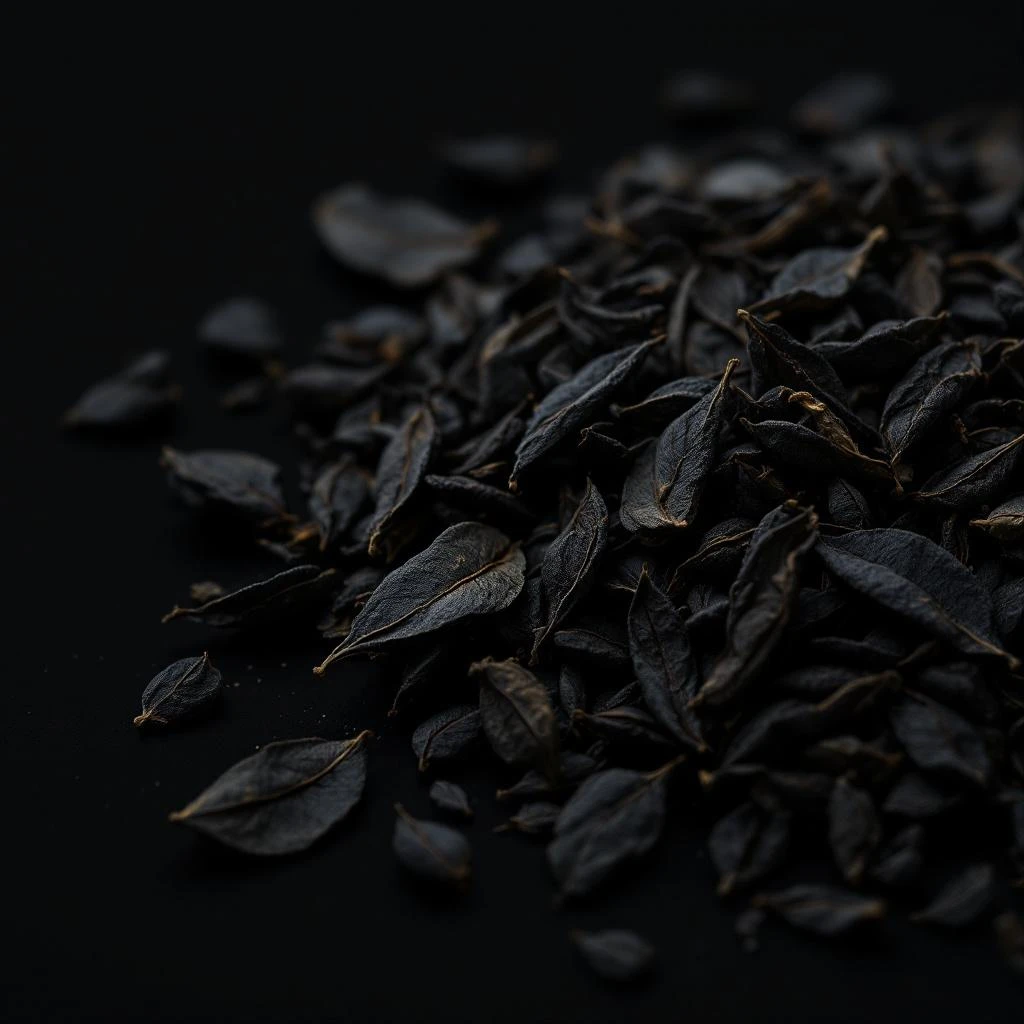
Rooibos is a caffeine-free herbal ingredient native to South Africa's Cederberg mountains. In perfumery, it contributes a warm, earthy aroma with subtle tobacco and sweet herbaceous undertones that add depth and complexity to fragrance compositions.
Character
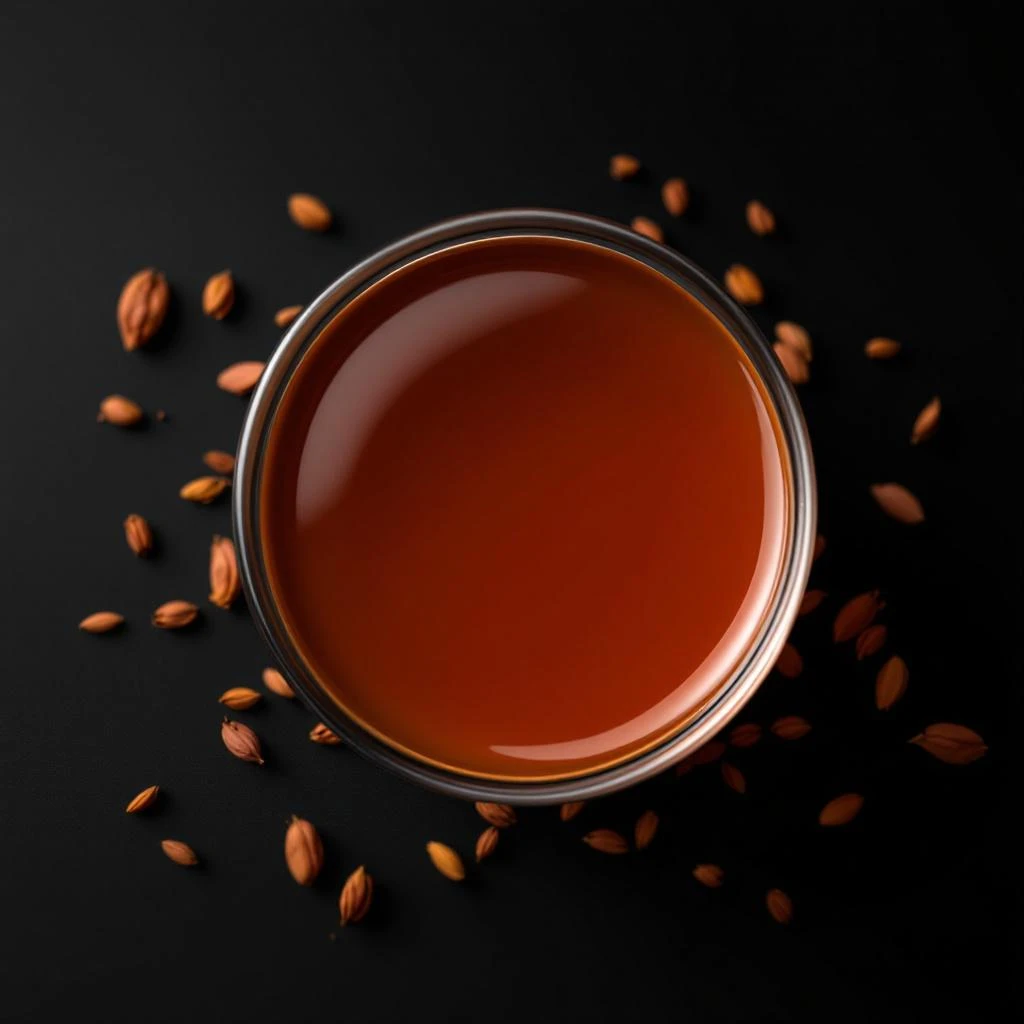
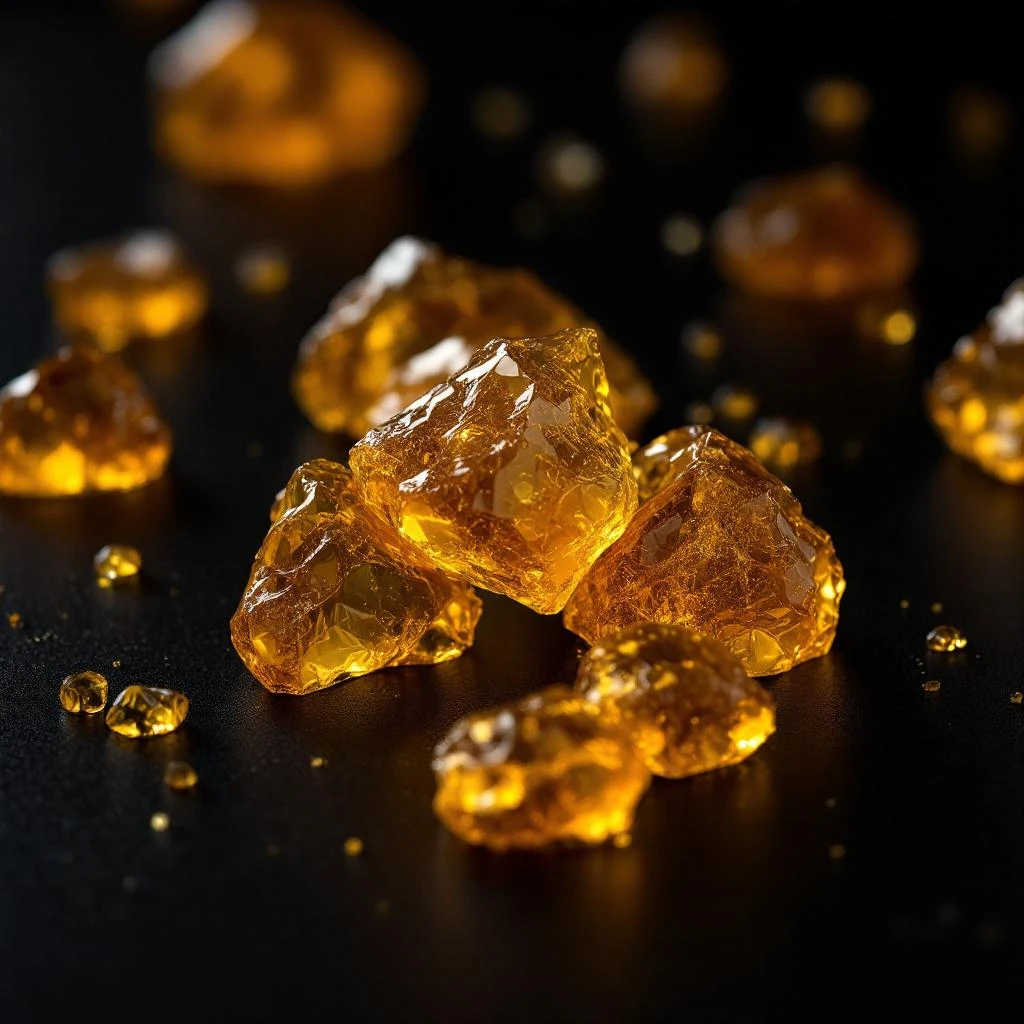
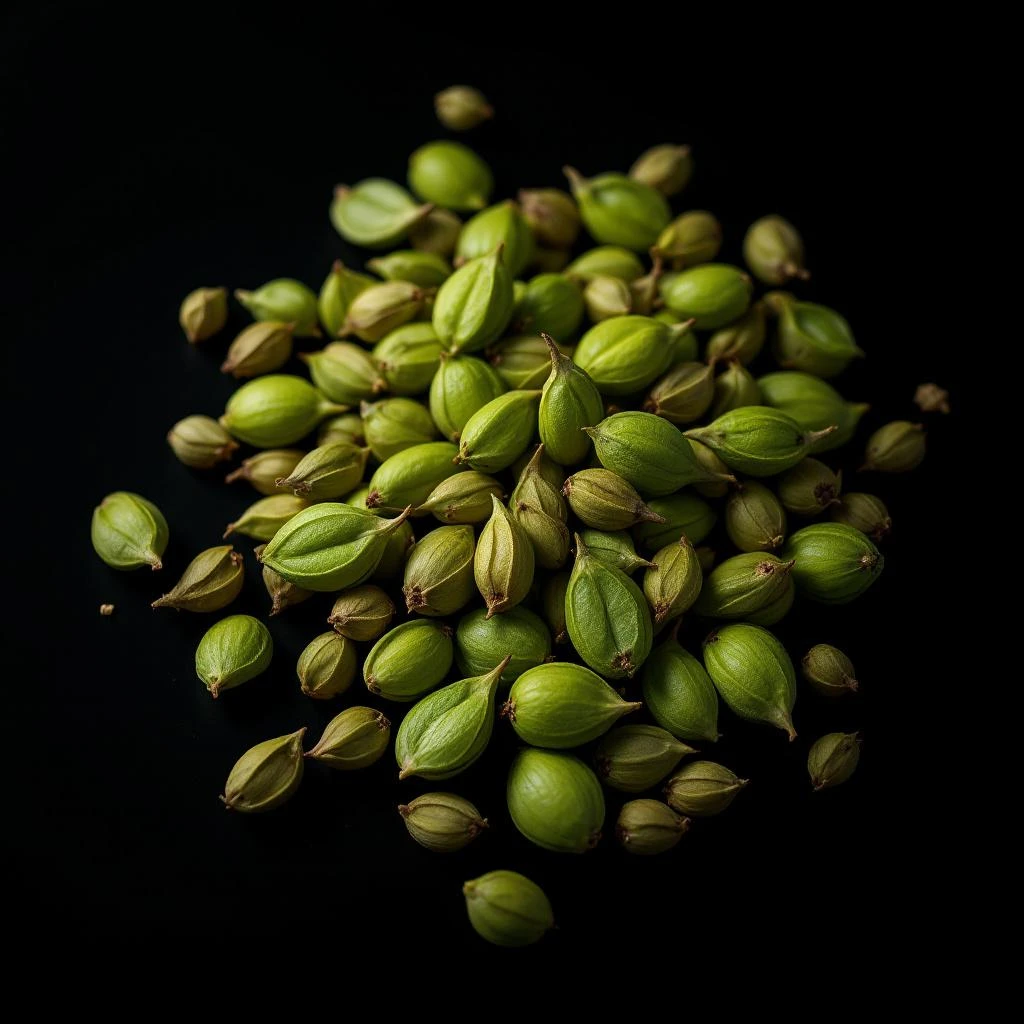
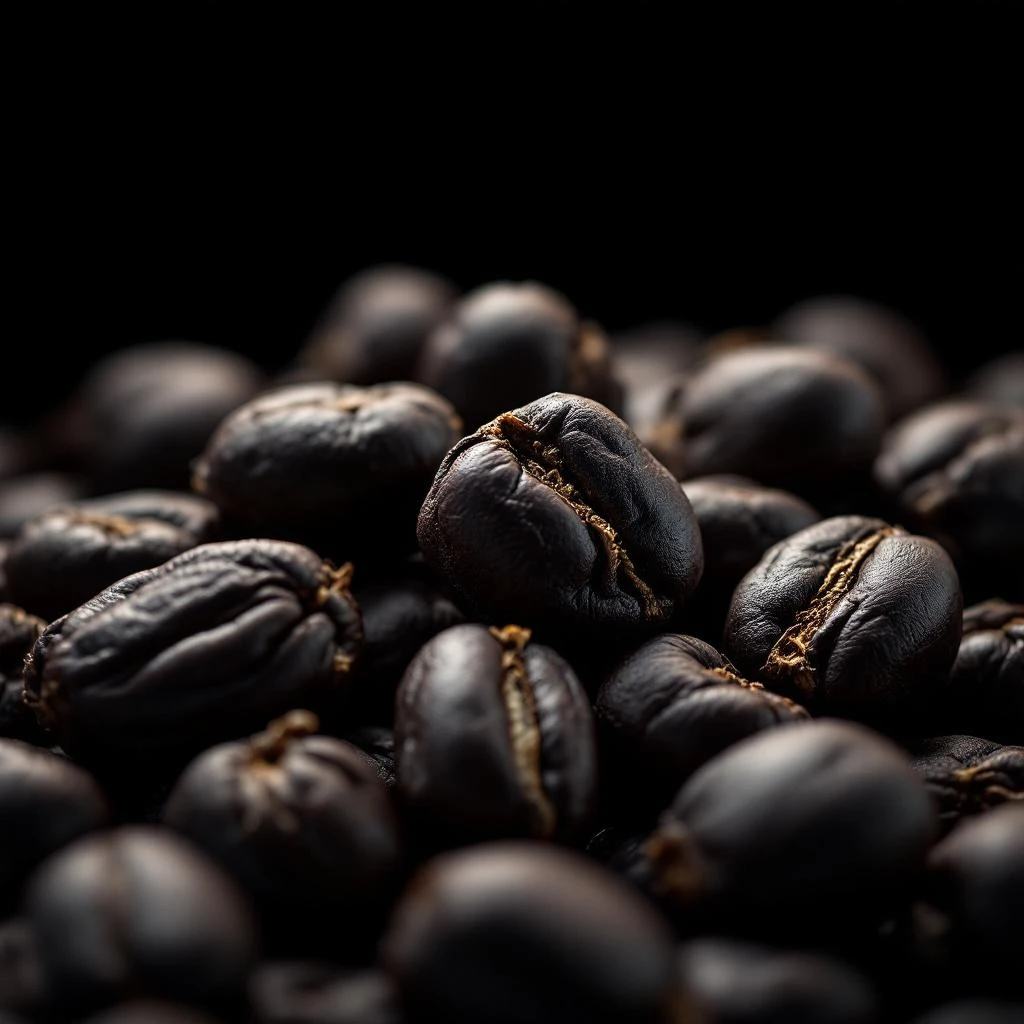
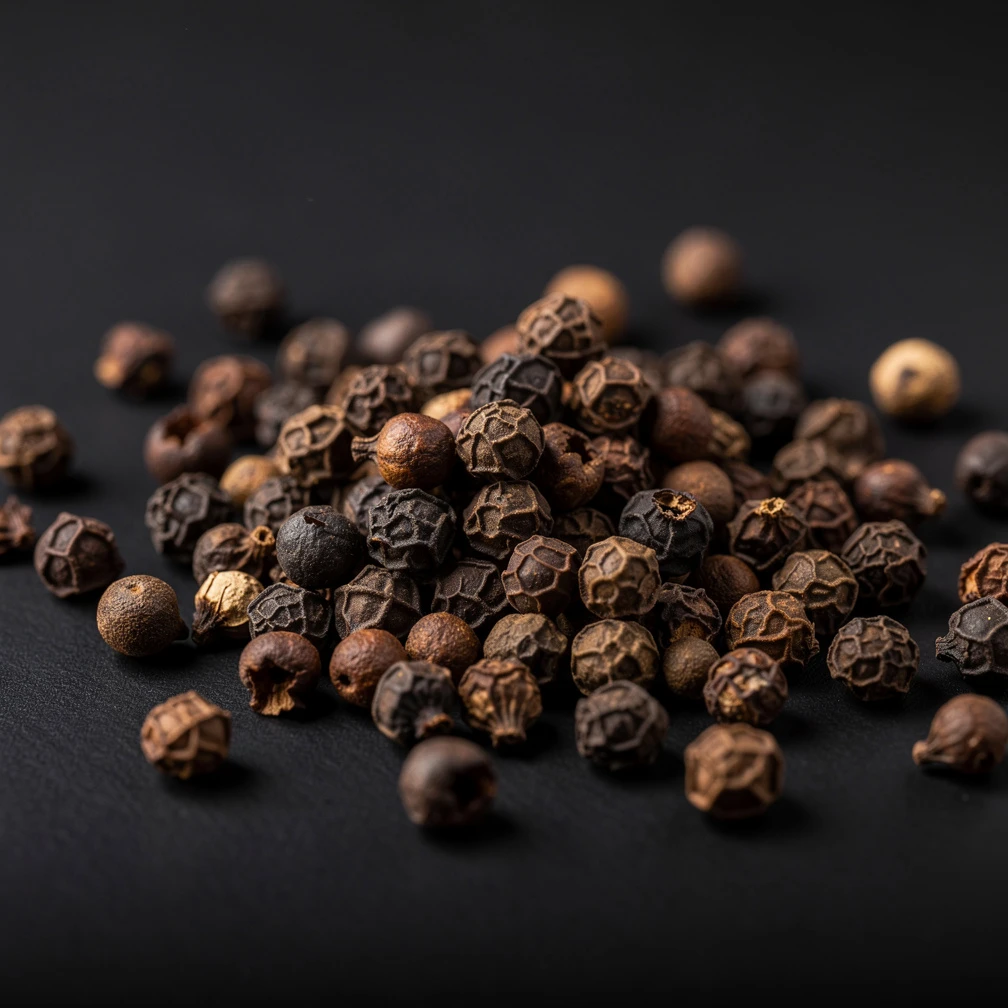
How it smells
Earth, tobacco, and the warmth of African mountains.
South Africa remains the world's sole producer of rooibos, with over 450 growers across the Cederberg region supplying the global fragrance and beverage industries.





Origin
South Africa
The Khoisan people of South Africa's Cederberg mountains first harvested rooibos leaves over 300 years ago, using them to brew herbal remedies and aromatic beverages. For generations, rooibos remained a regional tradition until Dutch settlers in the 1700s began exploring it as a cheaper alternative to imported black tea.
The ingredient remained largely unknown outside Southern Africa until the early 2000s, when international demand surged. By the 1930s, rooibos had become a commercial crop, though it truly entered mainstream global markets after World War II when supply shortages accelerated local adoption.
South Africa today produces approximately 15,000 tons annually, with about 7,000 tons exported to over 30 countries. The ingredient's rise in perfumery followed its popularity in food, cosmetics, and wellness sectors, where its natural warmth and earthy complexity made it a sought-after material for modern fragrance compositions.
Wears it best
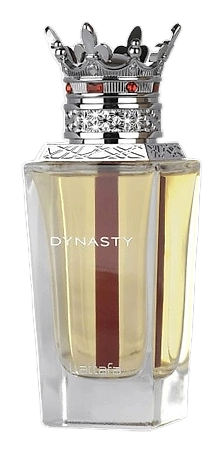
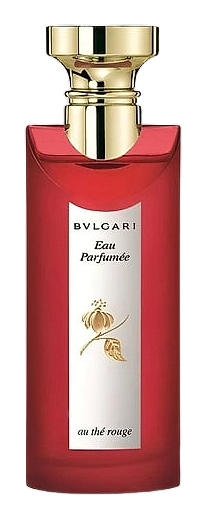
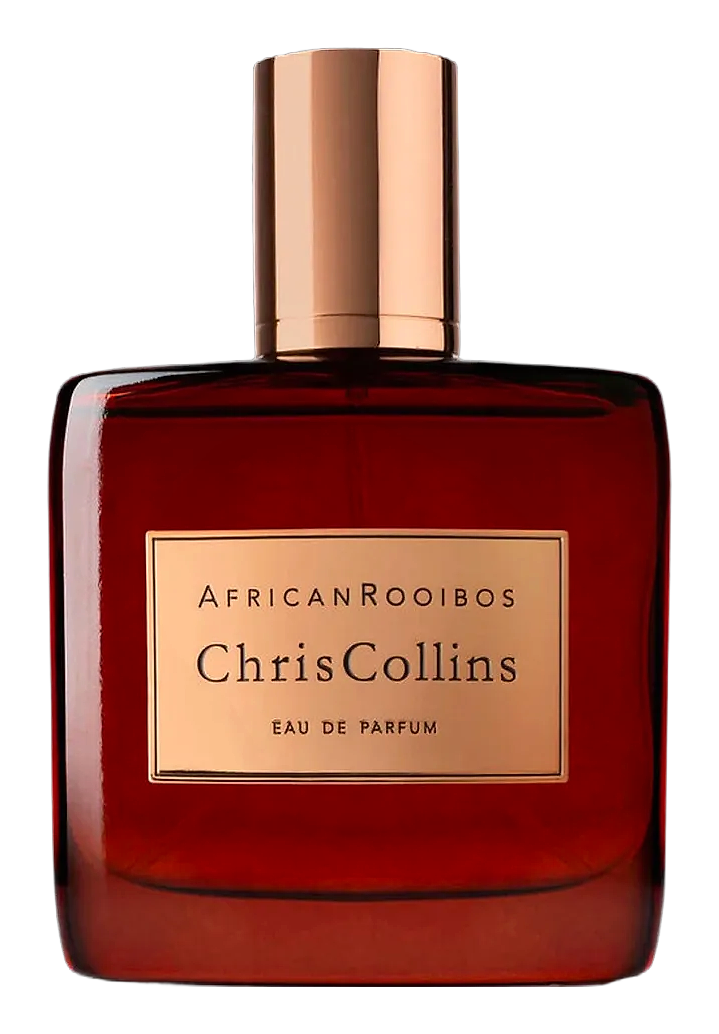
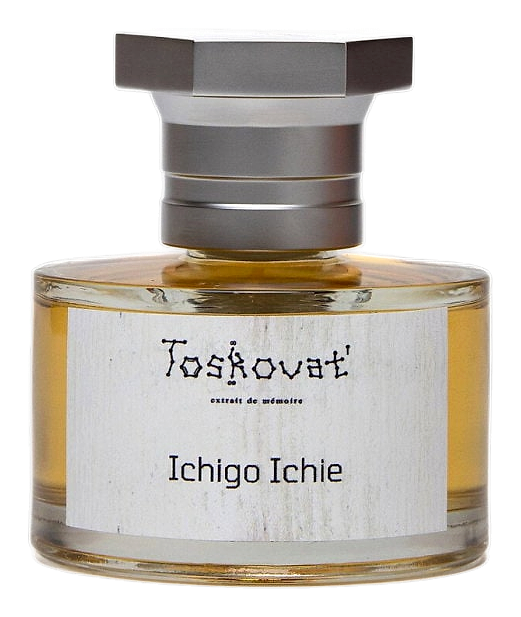
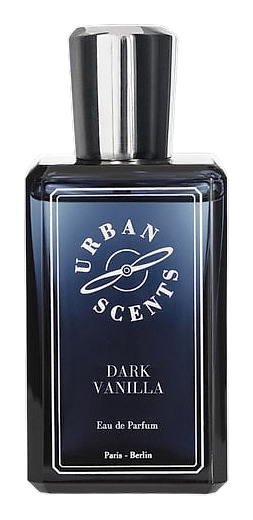
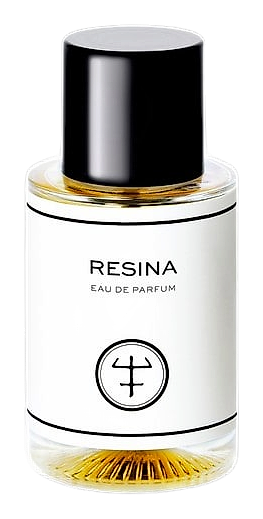
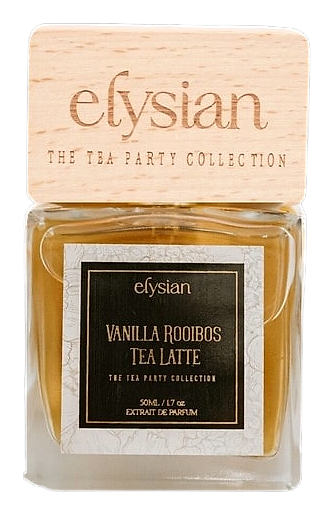
Fragrances featuring Rooibos Tea
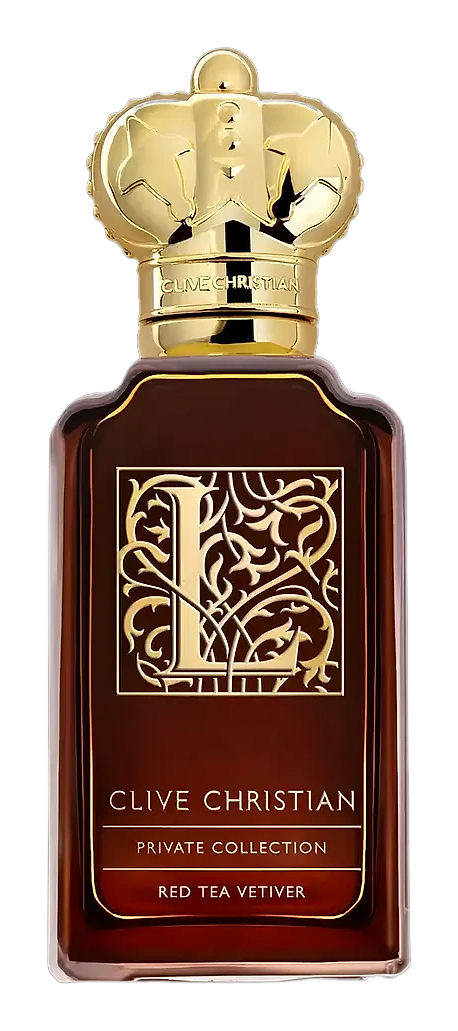

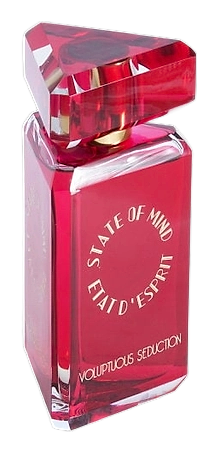
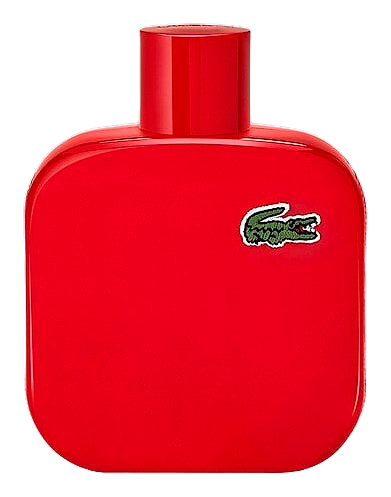
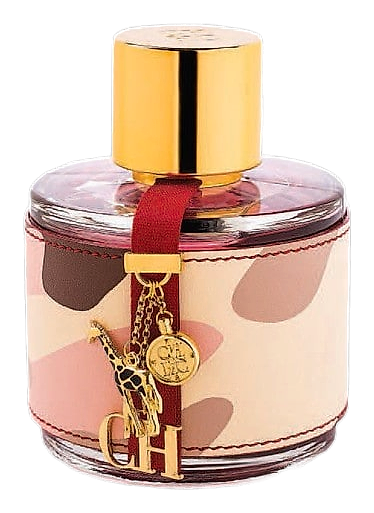
Brands
Brands known for Rooibos Tea
Good to know
Questions, answered
The essentials on Rooibos Tea in perfumery: how it smells, where it comes from, and how it behaves on skin.
What does rooibos smell like in fragrance?
Rooibos contributes a warm, earthy aroma with subtle tobacco and sweet herbaceous notes. It reads as naturally soft and slightly sweet in compositions, adding a distinctive herbal warmth that works particularly well in base notes.
Where does rooibos used in perfumery come from?
All rooibos originates from South Africa's Cederberg mountains, a mountainous region roughly three hours north of Cape Town. This region remains the sole place on earth where Aspalathus linearis can be successfully cultivated.
Is rooibos a natural fragrance ingredient?
Yes. Fragrance rooibos is typically produced via CO2 supercritical extraction of dried rooibos leaves, yielding a concentrated natural extract. No synthetic equivalent accurately replicates rooibos's complex aroma profile.
How does rooibos differ from tea note ingredients in perfumery?
Unlike green or black tea materials derived from Camellia sinensis, rooibos comes from the legume family (Fabaceae) and is naturally caffeine-free. Its aroma is earthier and less astringent, with a characteristic warm, slightly sweet quality.
Can rooibos be combined with other ingredients?
Rooibos pairs naturally with vanilla, amber, tobacco, honey, citrus, and spicy notes like cinnamon and cardamom. Perfumers use it to anchor warm, boozy, and gourmand fragrance concepts with an herbal counterpoint.
Is rooibos suitable for high-end and niche fragrances?
Rooibos is gaining traction among niche and artisan perfumers for its rarity and geographic specificity. It aligns with the clean beauty and single-origin trends in contemporary fragrance design.
What type of fragrances typically feature rooibos?
Rooibos appears most often in warm, comforting fragrance families: oriental, woody, and gourmand compositions. It is also found in unisex and gender-neutral designs where its earthy character adds natural warmth without heaviness.
What is the history of rooibos in South Africa?
The Khoisan people harvested rooibos from the wild over 300 years ago for medicinal and culinary purposes. It became a commercial crop in the 1930s and gained global recognition in the early 2000s. South Africa now exports rooibos to over 30 countries.