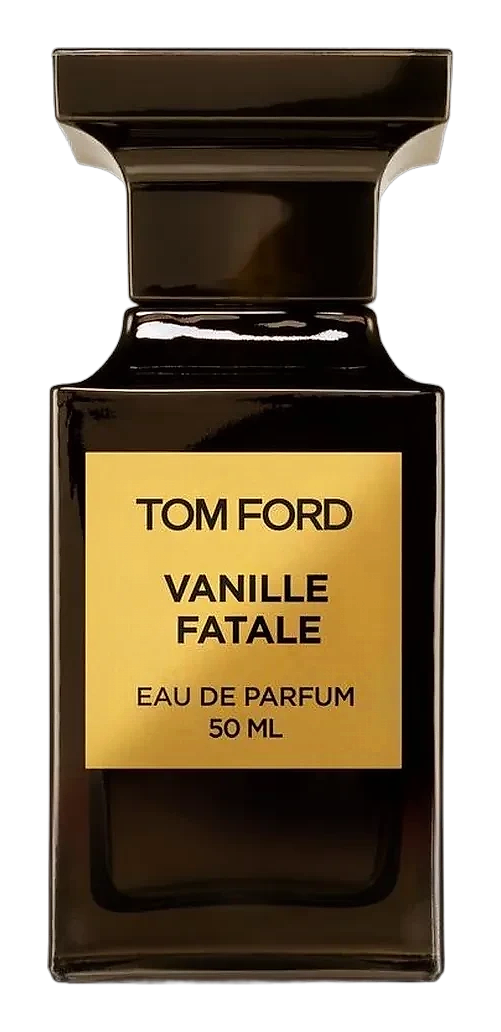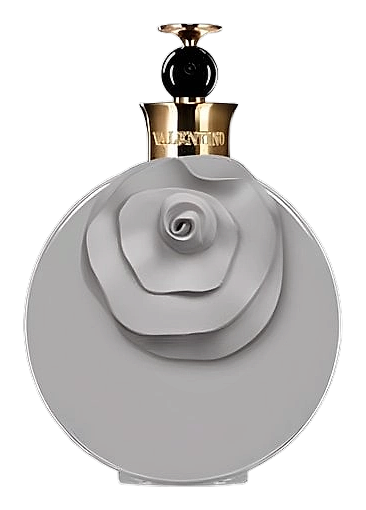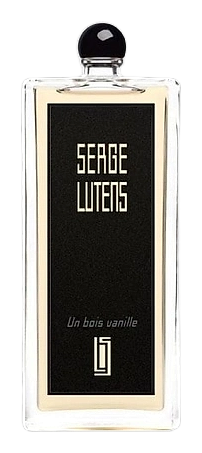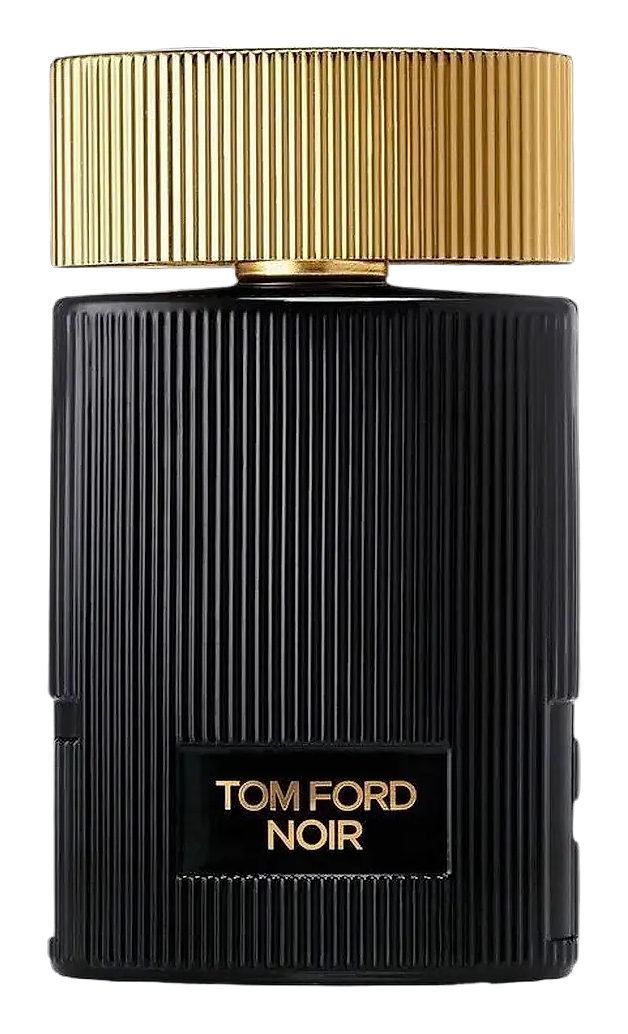
The Story
Why it exists.
The beginning
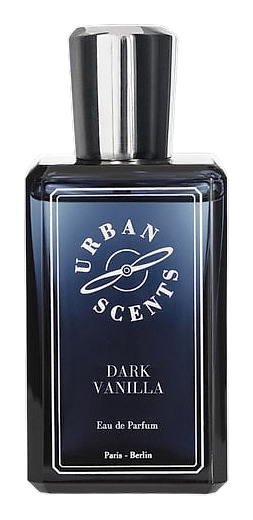
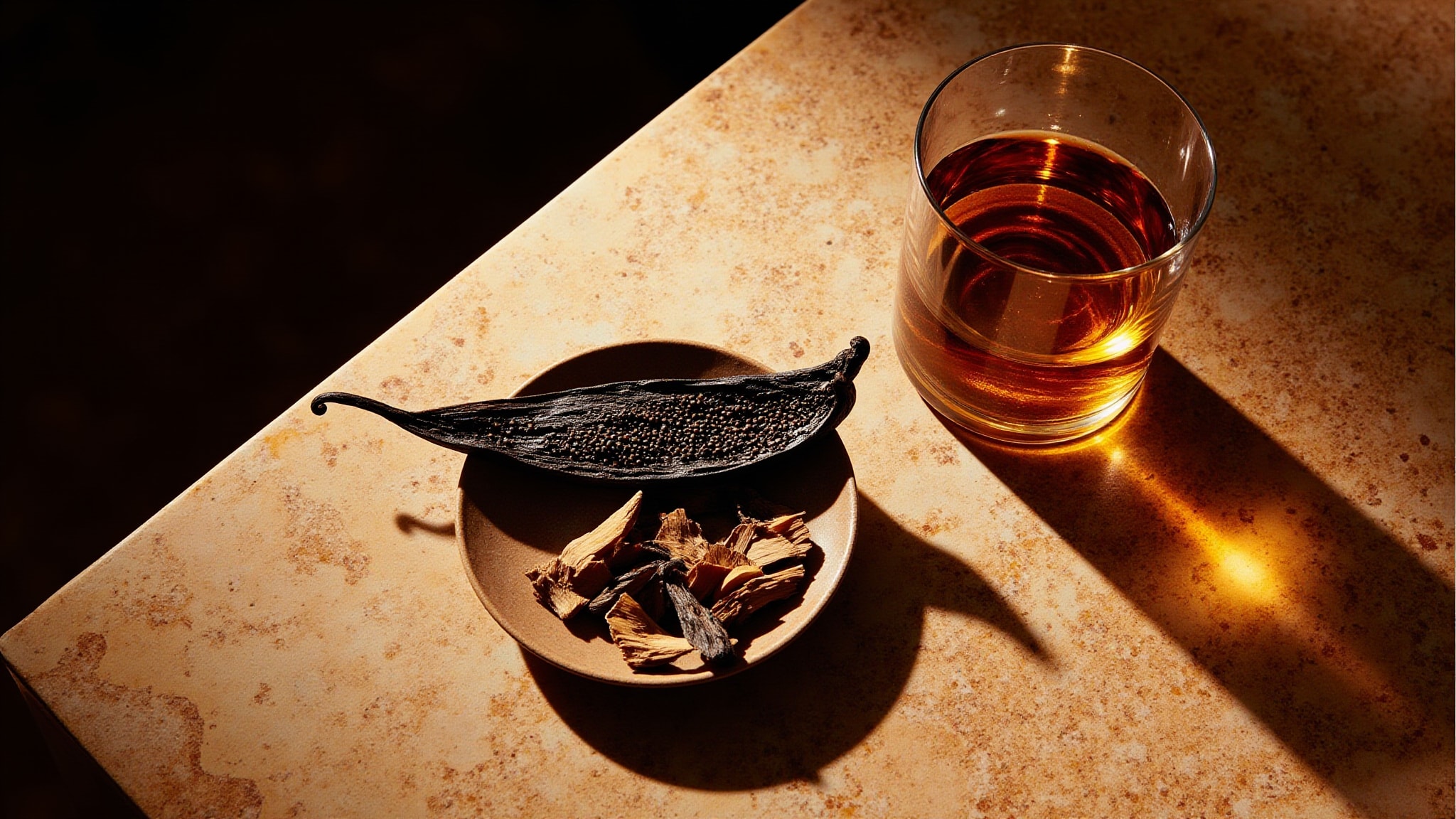
Marie Le Febvre wanted to do something unforgivable to vanilla: take it seriously. In 2018, she built Dark Vanilla not around the idea of vanilla, but around the ingredient itself, its dark, balsamic, sensual facets. The brief was simple. Vanilla had been softened, sugared, and smoothed into irrelevance. This would be different. Bourbon vanilla absolute. Rooibos resinoid, a first in fine perfumery. Rum. Pink pepper. A composition that didn't ask permission to be complex.
The ingredient had never been used in fine perfumery before, its soft connotations of hay, red tea, and honeycomb didn't have a clear translation into an accord that could sit in a pyramid. Vanilla and benzoin provide a sweet, warm foundation that complements the dry, hay-like quality of rooibos. Tonka bean adds a soft, powdery sweetness that rounds out the edges. Together, these notes create a complex, multi-dimensional scent that evolves over time, with the rooibos becoming more pronounced as the fragrance settles into the skin.
The evolution
Rum and pink pepper open the conversation, bright, almost confrontational. Then the bourbon vanilla enters. Not the vanilla of ice cream or candles. Dark. Balsamic. The pod itself, scraped and resinous. Heliotrope softens the edges into something powdery, almost dusty. As the heart settles, rooibos takes over the base, hay, red tea, a quiet honey that lingers close to the skin. Tonka bean follows, warm and dry. Four hours later, the skin still holds traces of vanilla and rooibos. Not projecting anymore. Just present.
Cultural impact
Dark Vanilla carved a specific niche. The rooibos addition gave it a dry, tea-like quality that distinguished it from sweeter interpretations. In the years since its launch, the fragrance has drawn attention for its refusal to treat vanilla as a simple comfort note, instead presenting it in a darker, more complex register that appeals to those seeking something less conventional.