Ho Wood
An unsung hero of sustainable perfumery, Ho Wood oil offers a sweet, woody aroma prized as a renewable alternative to endangered rosewood.
Character
How it smells
The sustainable rosewood alternative.
The tree that produces Ho Wood oil is the same species once used to make old-fashioned mothballs.







Origin
Madagascar
Ho Wood traces back to the Cinnamomum camphora tree, native to East Asia and naturalized in Madagascar. While the camphor tree originated in continental Asia, commercial oil production centered on Madagascar after the species was introduced there during the colonial era. The oil was first commercially distilled in Japan in the early 1900s and gained traction in perfumery during the mid-20th century.
The critical turning point came in the 1970s and 1980s, when overharvesting pushed traditional rosewood species toward endangerment. Ho Wood filled the gap, providing perfumers with a reliable, sustainably harvestable source of linalool-rich material. By the 1990s, however, synthetic linalool became cheaper to produce at scale, reducing commercial demand for natural Ho Wood.
Today the oil remains valued in aromatherapy circles for its calming and grounding properties, and perfumers who prioritize natural ingredients continue to specify it.
Wears it best
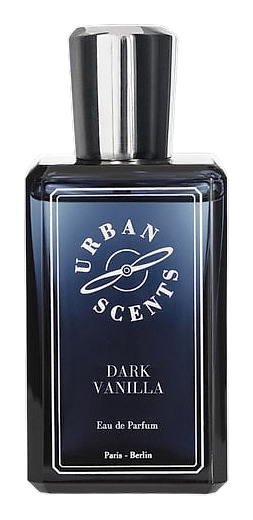
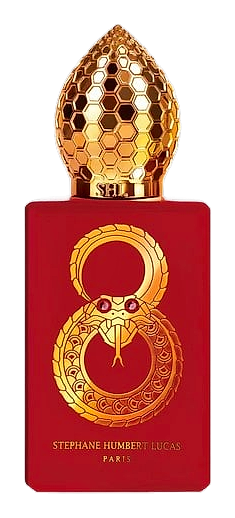
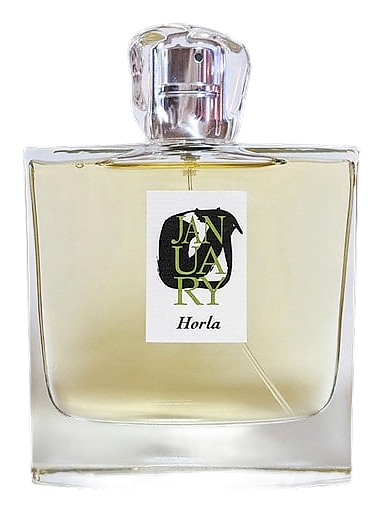
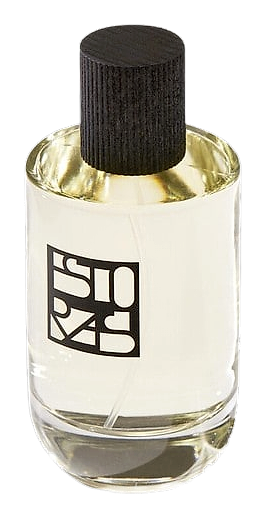
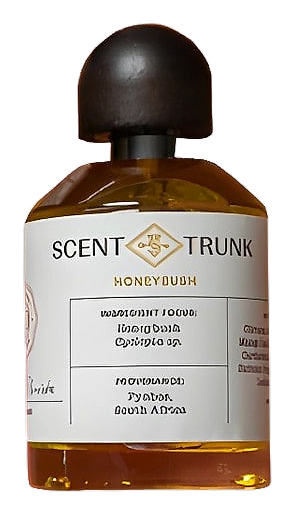
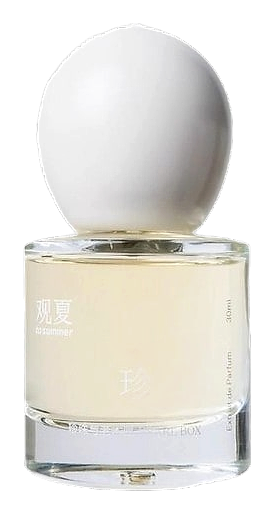
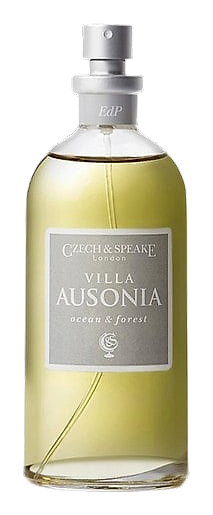
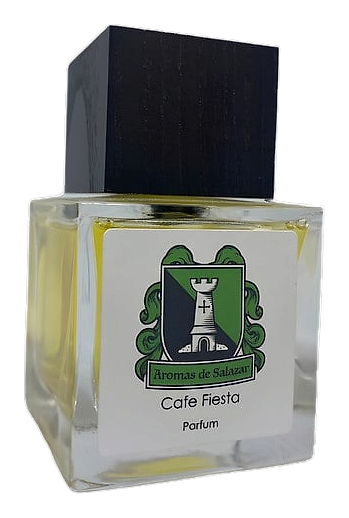
Fragrances featuring Ho Wood

Good to know
Questions, answered
The essentials on Ho Wood in perfumery: how it smells, where it comes from, and how it behaves on skin.
What does Ho Wood smell like?
Ho Wood oil has a sweet, woody aroma with a distinctive floral nuance. It is lighter and more approachable than traditional rosewood, with a fresh quality that blends well in the heart of a fragrance.
Is Ho Wood a sustainable ingredient?
Yes. Ho Wood oil comes from the leaves and young twigs of the tree, harvested without cutting the tree down. This allows repeated sustainable harvests from the same specimen over years.
Why was Ho Wood developed as a perfumery ingredient?
Ho Wood became significant in the 1970s and 1980s when traditional rosewood species were overharvested to the point of endangerment. Perfumers needed a renewable alternative with a similar aromatic profile.
What is the primary chemical component of Ho Wood oil?
Linalool comprises the majority of Ho Wood oil, sometimes exceeding 80 percent of the total composition. This makes it a rich natural source of the compound widely used across the fragrance industry.
How is Ho Wood oil produced?
Leaves and young twigs are steam distilled. The process takes several hours, and no chemical solvents are involved, producing a pale yellow oil suitable for natural fragrance formulations.
What role does Ho Wood play in perfumery?
Ho Wood functions as a middle note. It provides a sweet woody base in fragrance compositions and acts as a fixative, helping slower-evolving notes remain perceptible on the skin.
Is Ho Wood used today in mainstream perfumery?
Less than in past decades. Synthetic linalool became cheaper to produce at scale in the 1990s, reducing commercial demand. Ho Wood is now more commonly found in natural perfumery and aromatherapy products.
Does Ho Wood come from the same tree as camphor?
Ho Wood oil comes from Cinnamomum camphora, the same botanical species that historically produced camphor. The oil is distilled from leaves and twigs rather than from the camphor crystals derived from the wood and bark.