The Story
Why it exists.
The beginning
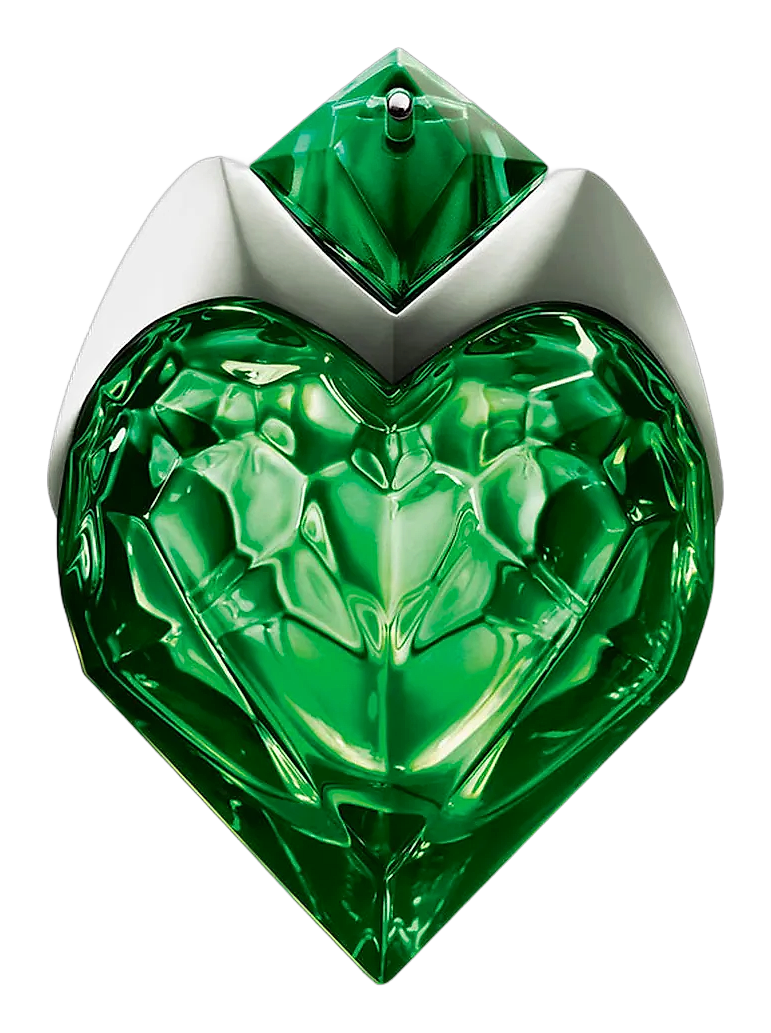
Mugler was founded in Paris in 1974 by Manfred Thierry Mugler, a former ballet dancer who treated fragrance as transformation. Angel in 1992 created the gourmand category; Alien in 2005 pushed jasmine to overdose. Both were statements. Aura continues that tradition by asking what happens when the animalic and the natural collide. For Aura Mugler, perfumer Daphné Bugey was tasked with capturing something feral yet approachable, a scent that grows from the earth rather than sitting on top of it.
The note philosophy here is contrast. Rhubarb Leaf and Bergamot create an opening that is deliberately tart and astringent, meant to wake the wearer up rather than seduce them. The heart softens this with floral and fruity elements but does not abandon the green thread. The drydown brings warmth and depth, allowing Bourbon Vanilla and Sandalwood to counterbalance the initial sharpness. This structure mirrors the brand's history of pushing notes to extremes while maintaining wearability. Aura Mugler is not a safe fragrance, but it is a coherent one, each phase leading logically to the next.
The evolution
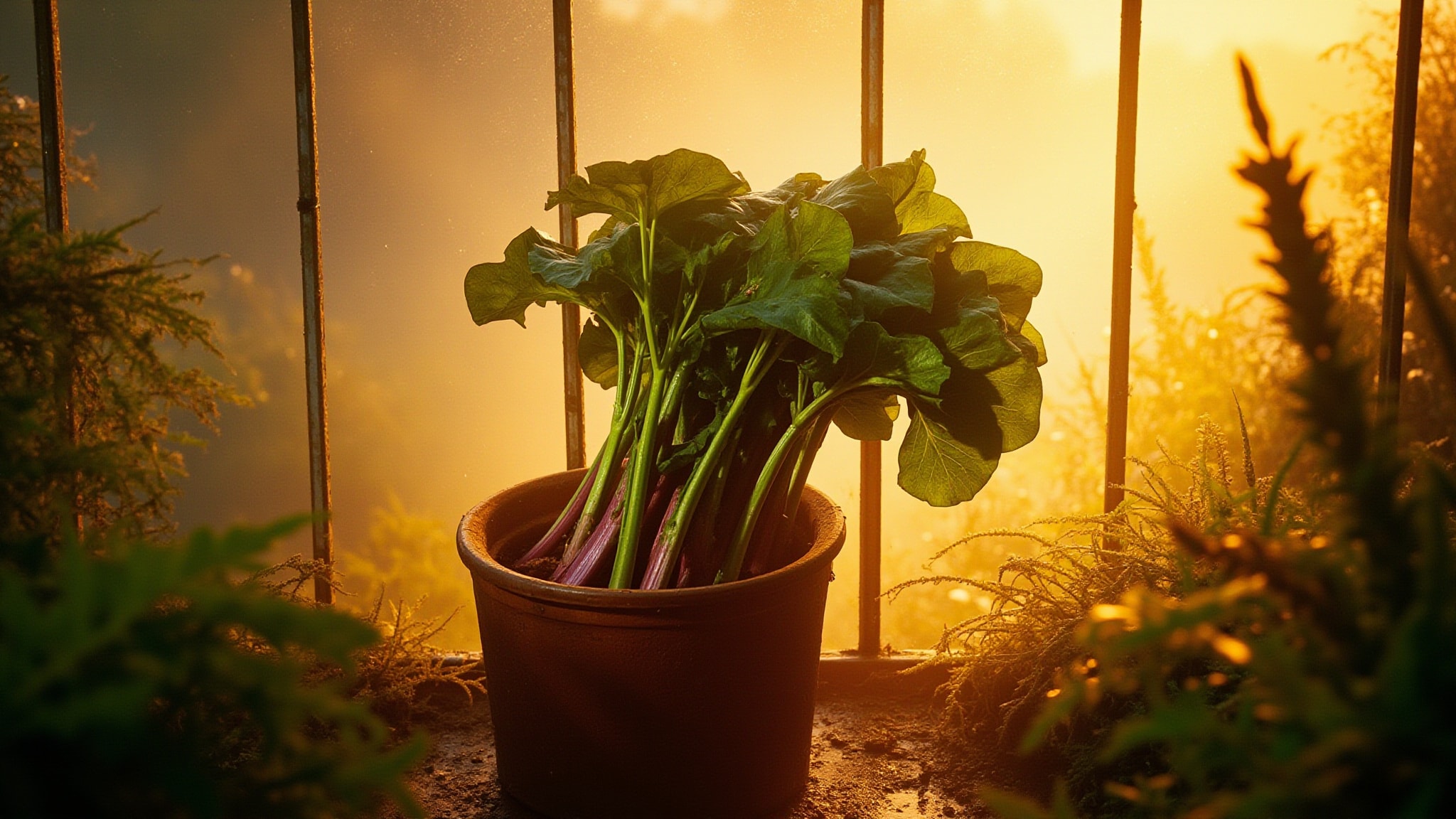
The opening of Rhubarb Leaf and Bergamot immediately signals a departure from Mugler's sweeter territory. Rhubarb Leaf is not the red rhubarb of pies but the green, tart stalks and their bitter leaves, a note that smells like a garden at dawn. Bergamot tempers this with familiar citrus brightness. As the fragrance moves into the heart, Green Notes and Pear create continuity with the opening while Pear adds a fleeting fruitiness. Orange Blossom brings its signature bitter-floral character, and Ylang-Ylang rounds out the heart with a waxier, more tropical feel. The drydown is where Aura Mugler finds its warmth. Bourbon Vanilla provides sweetness, but it is grounded by Woody Notes and Amberwood. Sandalwood adds creaminess, and Wolfwood, a proprietary note, brings a smoky, almost tar-like depth. Coumarin ties everything together with its hay-like, sweet-spicy finish.
Cultural impact
Mugler has always been a house built on provocation, Angel shattered expectations with its edible patchouli and candy floss in 1992, and Alien redefined jasmine as something otherworldly. Aura Mugler, arriving in 2017, marked a deliberate pivot toward something more primal. Where the earlier pillars leaned into sweetness or mysticism, Aura embraced the green and the animalic simultaneously, a daring combination that few mainstream houses had attempted in the modern era. The fragrance tapped into a growing cultural moment where consumers were seeking boldness without sugarcoating it. The rhubarb leaf opening was polarizing by design, not accident, and that tension became part of Aura's identity.