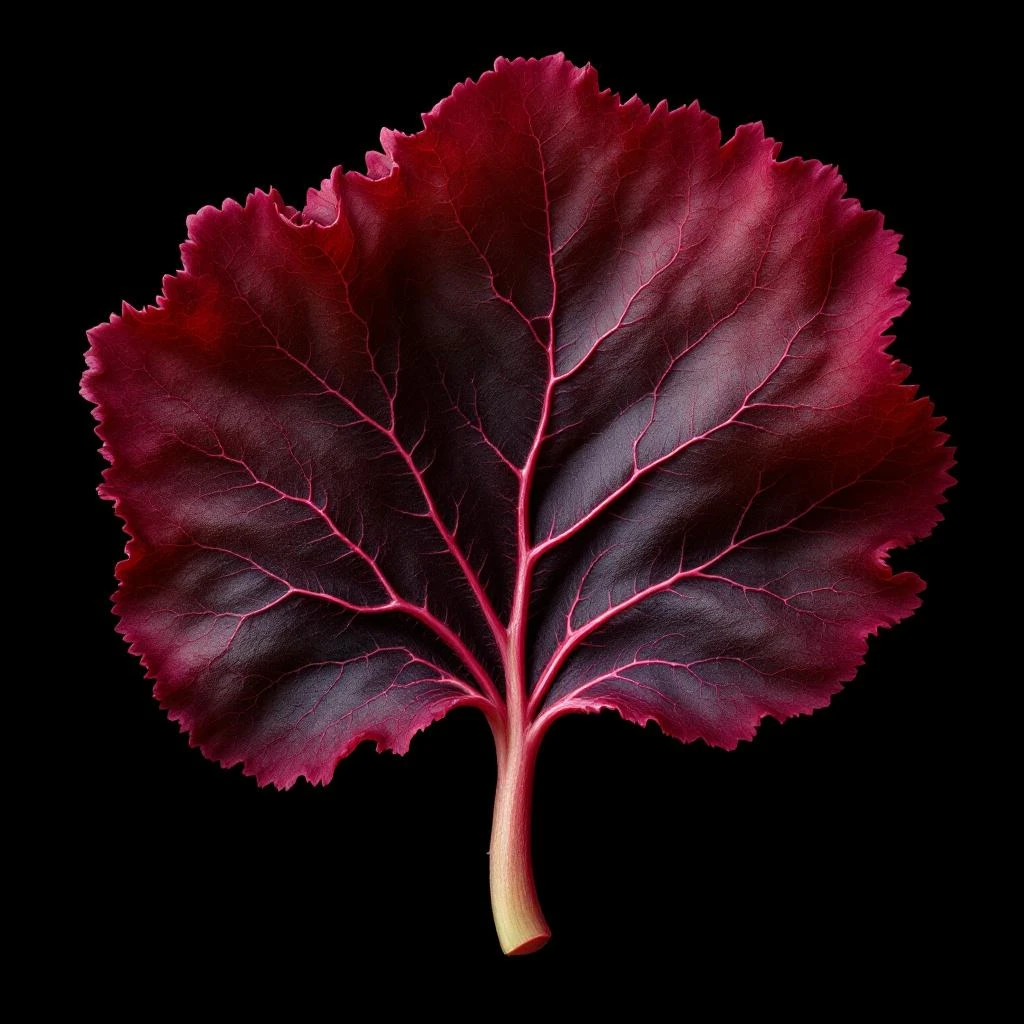
Rhubarb Leaf
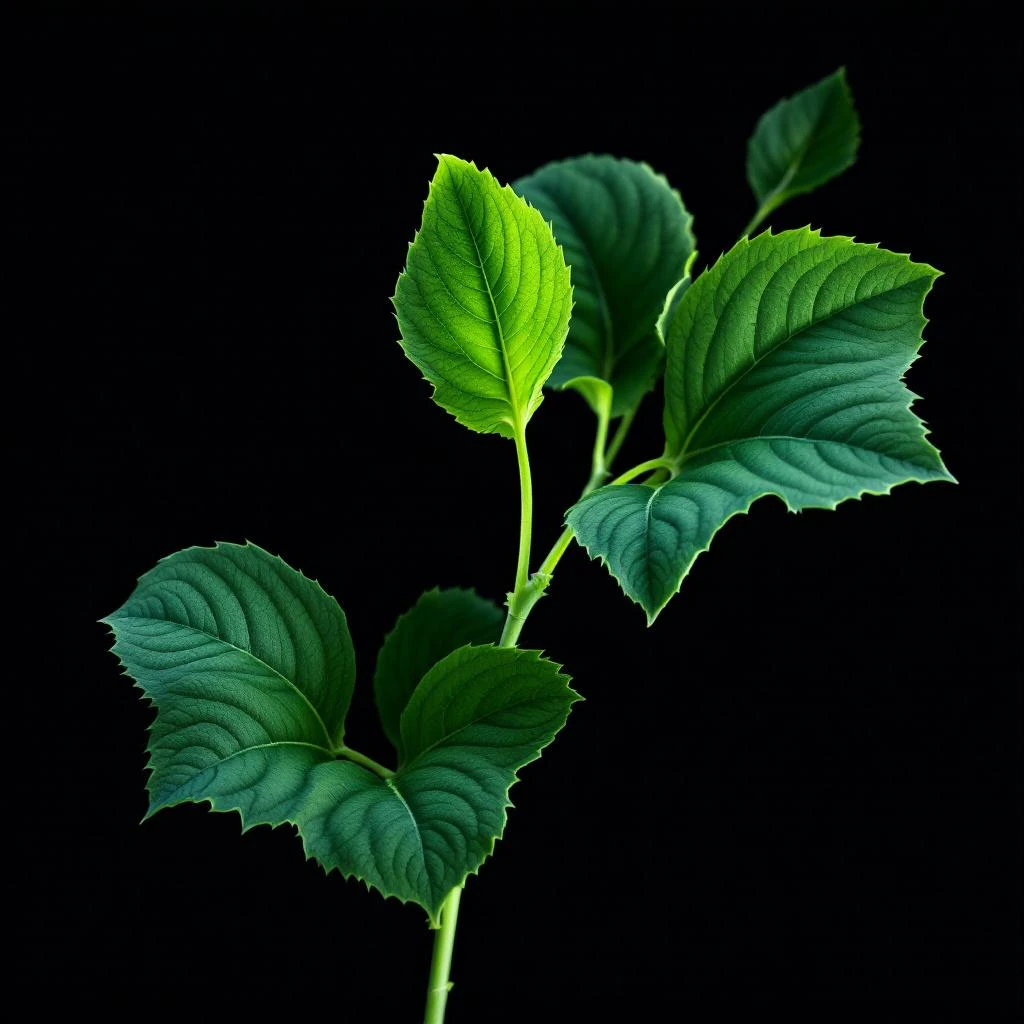
A tart, green note with the sharp brightness of just-cut stalks and an herbaceous undertone. Rhubarb leaf brings an unexpectedly lively freshness that cuts through richer compositions. Though the plant has ancient roots, its perfumery presence emerged only decades ago—and entirely through synthesis.
Character
How it smells
Sharp, green, and tart—nature's sour beauty bottled.
Rhubarb stalks are edible, but the leaves contain toxic oxalic acid, making the perfumery note entirely a product of laboratory science.








Origin
China
Rhubarb belongs to the Polygonaceae family, with Rheum rhabarbarum native to parts of China and Siberia. Chinese medicine valued rhubarb roots for thousands of years before the stalks became a culinary staple in Europe centuries later.
The plant's stalks earned their place in kitchens and gardens, while the leaves remained toxic. Fragrance chemistry eventually looked to the plant for its distinctive green-tart character, transforming an edible stalks-and-leaves plant into something that exists only as a synthesized aroma.
The synthetic rhubarb note gained momentum in perfumery during the 2000s, when perfumers sought fresher, more unexpected top-note materials. Today it appears across genders and fragrance families, valued for its ability to add brightness without sweetness.
Wears it best
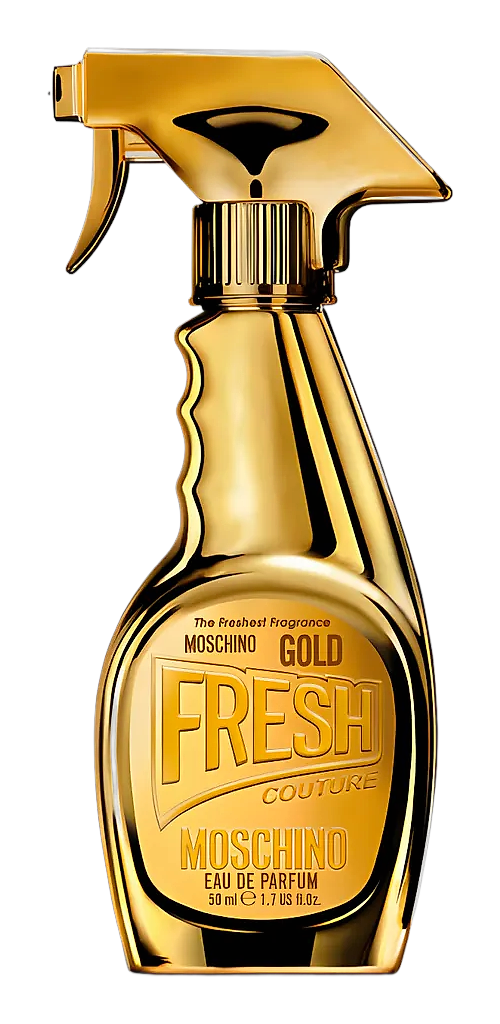
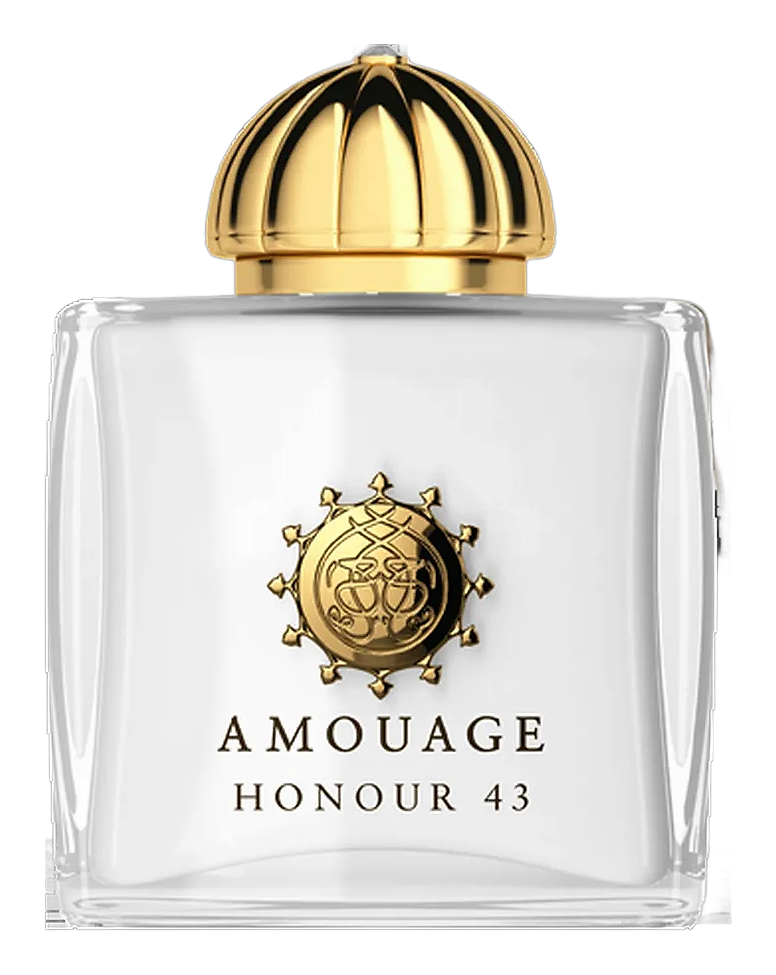
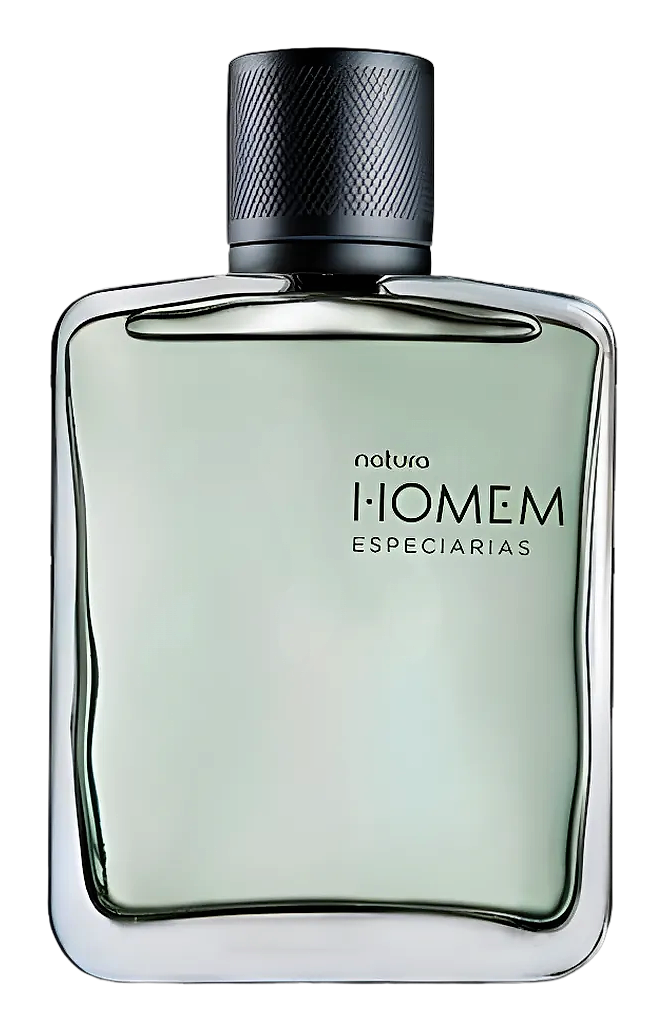
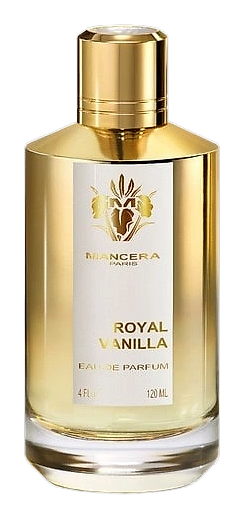
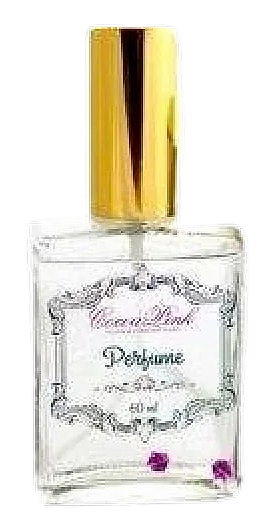
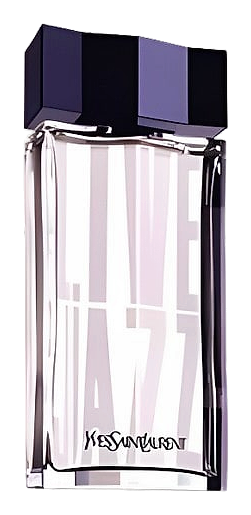
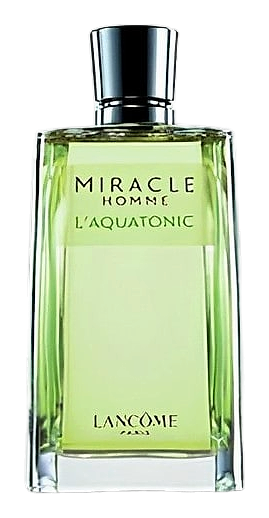
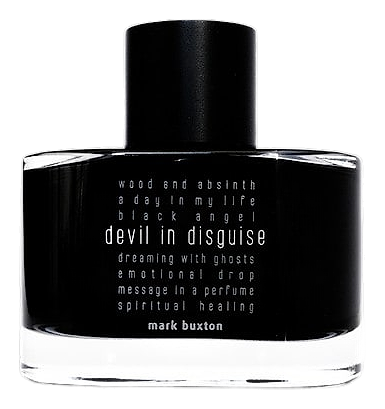
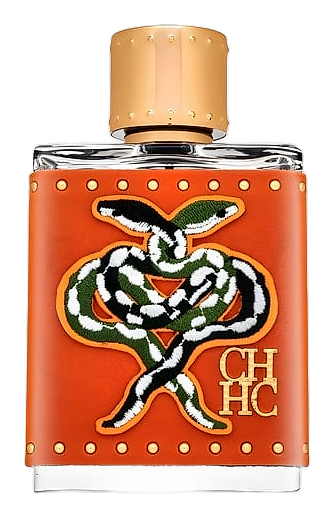
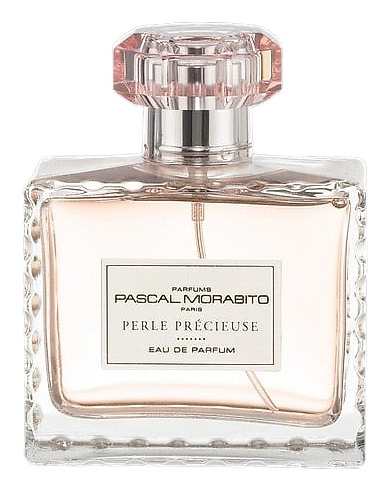
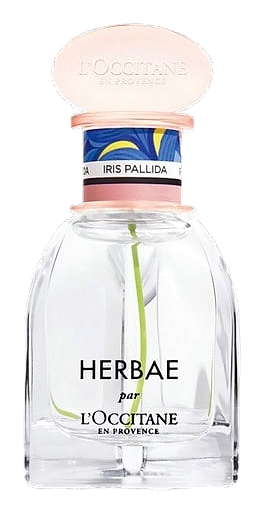
Fragrances featuring Rhubarb Leaf
Brands
Brands known for Rhubarb Leaf
Good to know
Questions, answered
The essentials on Rhubarb Leaf in perfumery: how it smells, where it comes from, and how it behaves on skin.
Is rhubarb in perfumery natural or synthetic?
The rhubarb note is entirely synthetic. No essential oil, absolute, or CO2 extract from Rheum rhabarbarum exists commercially. Fragrance chemists combine aroma chemicals to replicate the plant's characteristic tart, green effect.
What does rhubarb smell like in perfume?
Rhubarb reads as bright, tangy, and green—think fresh-cut stalks with an herbaceous snap. It carries a clean sourness without sweetness, lending an immediate freshness that lifts top notes.
When did rhubarb become a perfumery ingredient?
Synthetic rhubarb entered fragrance formulas with notable force in the 2000s. Perfumers sought fresher, more unexpected top-note materials during that decade, and rhubarb's tart vibrancy fit the bill.
What fragrance families use rhubarb?
Rhubarb appears most often in green and chypre fragrances, but it crosses freely into florals, orientals, and aquatic compositions. The note excels at adding freshness and lift wherever it appears.
Is rhubarb leaf used separately from rhubarb stalk in perfumery?
Both the leaf and stalk effect are synthesized using the same approach—aroma chemicals that approximate green, tart vegetation. No part of the actual plant is used, so perfumers work from the target scent impression rather than botanical source material.
How long does rhubarb last in a fragrance formula?
Rhubarb functions primarily as a top and heart note. In most compositions it remains noticeable for roughly 30 minutes to two hours before softer heart materials come forward.
Can rhubarb be combined with fruit notes?
Rhubarb pairs naturally with red fruits like raspberry and cherry, a combination that became a recognizable fragrance archetype. The tart rhubarb amplifies fruity sweetness, creating a balanced contrast.
Are there any safety concerns with rhubarb aroma materials?
The synthetically produced rhubarb aroma materials used in perfumery carry standard IFRA compliance ratings and are considered safe at commercial usage concentrations. No special handling restrictions apply to typical consumer fragrance products.