
The Story
Why it exists.
The beginning
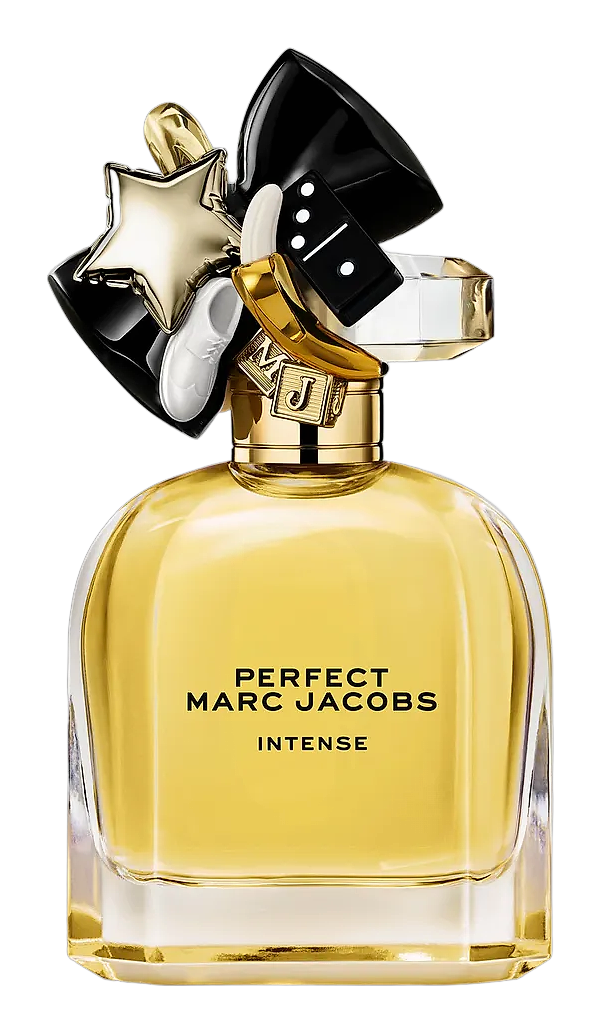
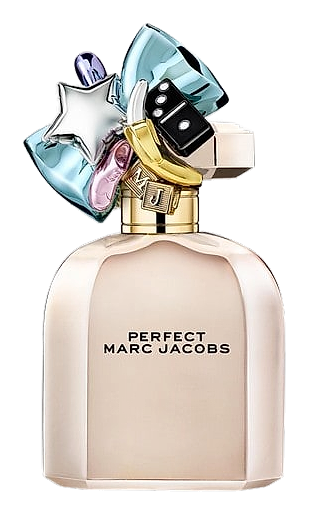
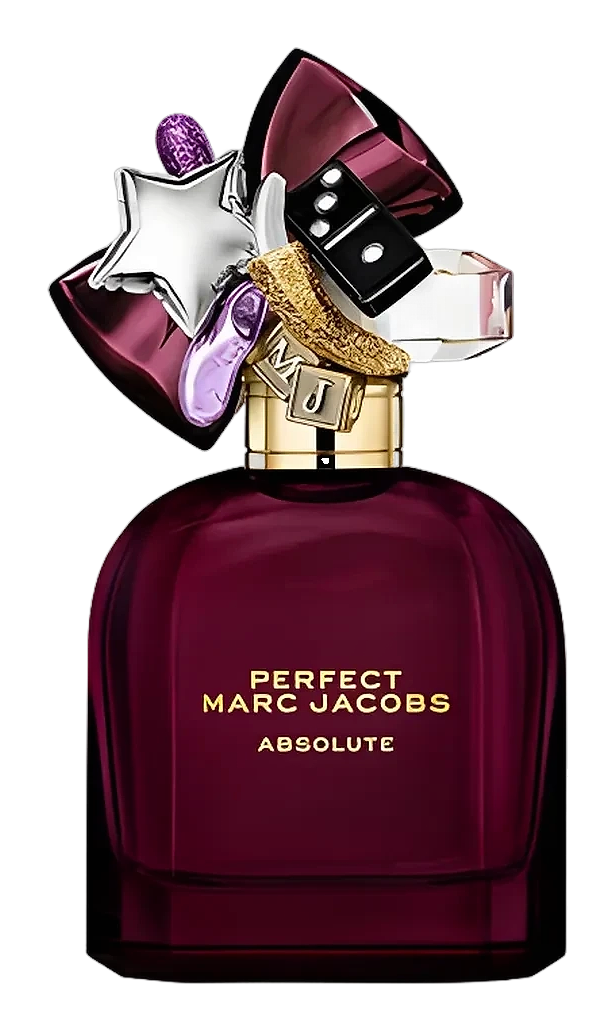
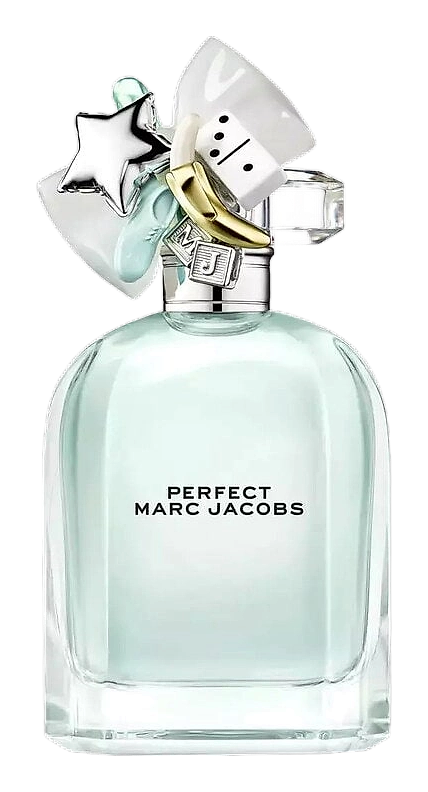
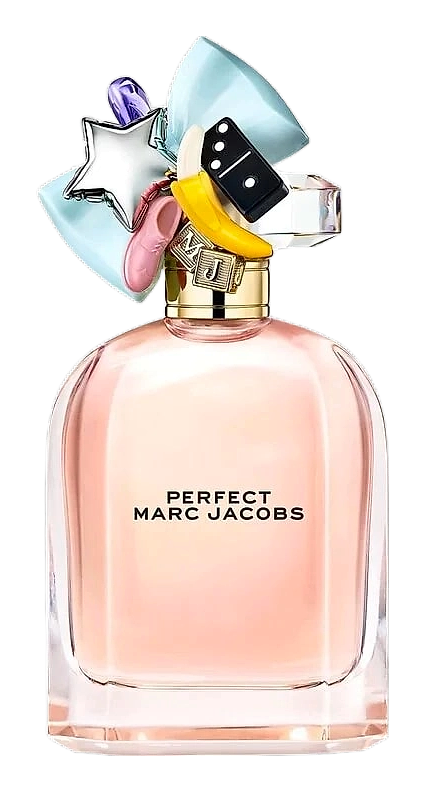
Marc Jacobs built its fragrance identity on playful defiance and culture-defining creativity. Daisy became a defining hit. Perfect continues that lineage, fragrance as self-expression, not performance. The brand has consistently approached perfumery as an extension of its fashion ethos: approachable yet aspirational, familiar yet surprising. The name says everything. Perfect by Marc Jacobs, launched in 2020, arrived with a fragrance that celebrates optimism, self-acceptance and originality, which sounds like marketing language until you smell the thing itself and realize they meant it literally. Created by perfumer Domitille Michalon-Bert.
The note selection reflects a philosophy of contrast: bright against soft, green against creamy, ephemeral against enduring. Narcissus and Rhubarb work tog ether to create an opening that is both floral and edible, setting an optimistic tone. Almond Milk serves as the heart's answer to that brightness, wrapping it in comfort. Cashmeran and Cedarwood complete the picture by adding depth and longevity. Tog ether these materials tell a story of moving from confident self-announcement to quiet self-assurance.
The evolution
The opening with Narcissus and Rhubarb establishes immediate brightness and energy. Narcissus brings its distinctive green, slightly hypnotic floral character while Rhubarb adds crisp tartness that wakes up the senses. As the top notes begin their descent, Almond Milk emerges as a creamy bridge, offering warmth and a subtle nuttiness that softens the earlier edges. The fragrance then settles into its final phase with Cashmeran and Cedarwood, where the Cashmeran provides a cozy, almost skin-like warmth while the Cedarwood contributes structure and a dry, woody finish that grounds the entire composition.
Cultural impact
Perfect sits in an interesting middle ground: accessible enough for everyday wear, distinctive enough to avoid smelling generic. Community reception splits on whether the rhubarb-almond combination is uniquely playful or simply another iteration of a familiar Marc Jacobs signature. The fragrance occupies a space that many brands aim for but few achieve: easy enough to wear casually, interesting enough to discuss seriously. Whether the combination reads as fresh innovation or comfortable familiarity depends largely on your relationship to the brand's previous work, but the result is undeniably wearable and quietly distinctive.
The House
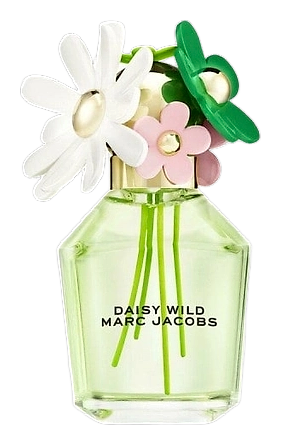
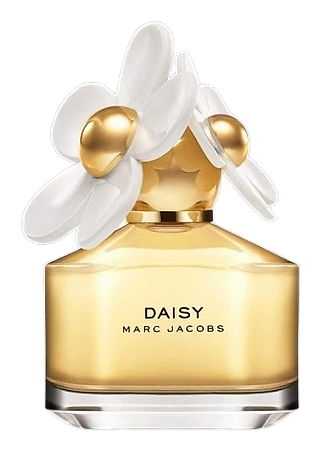
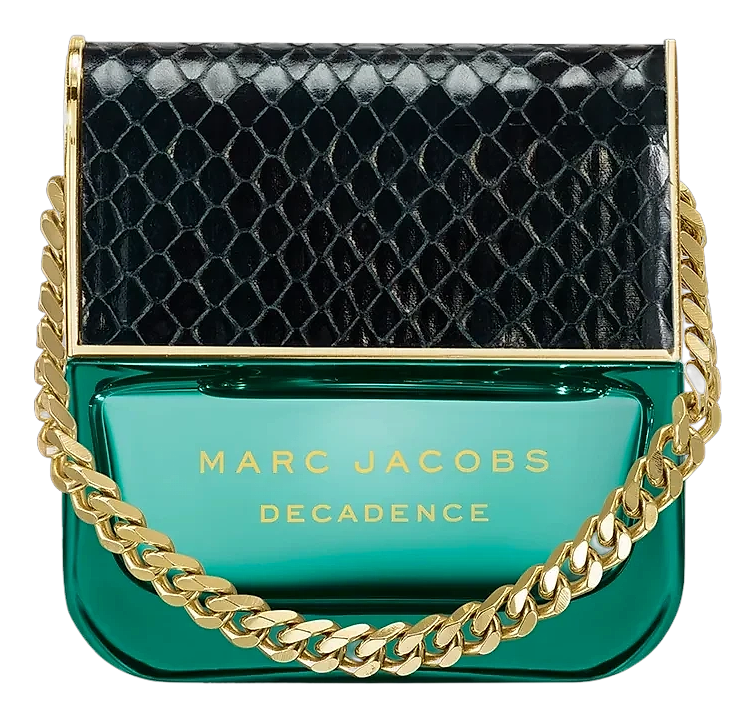
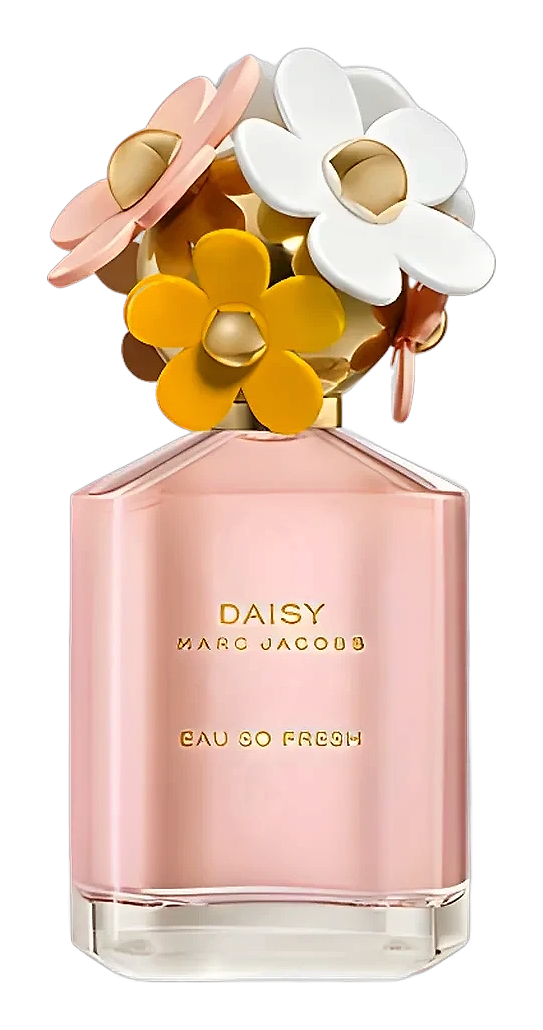
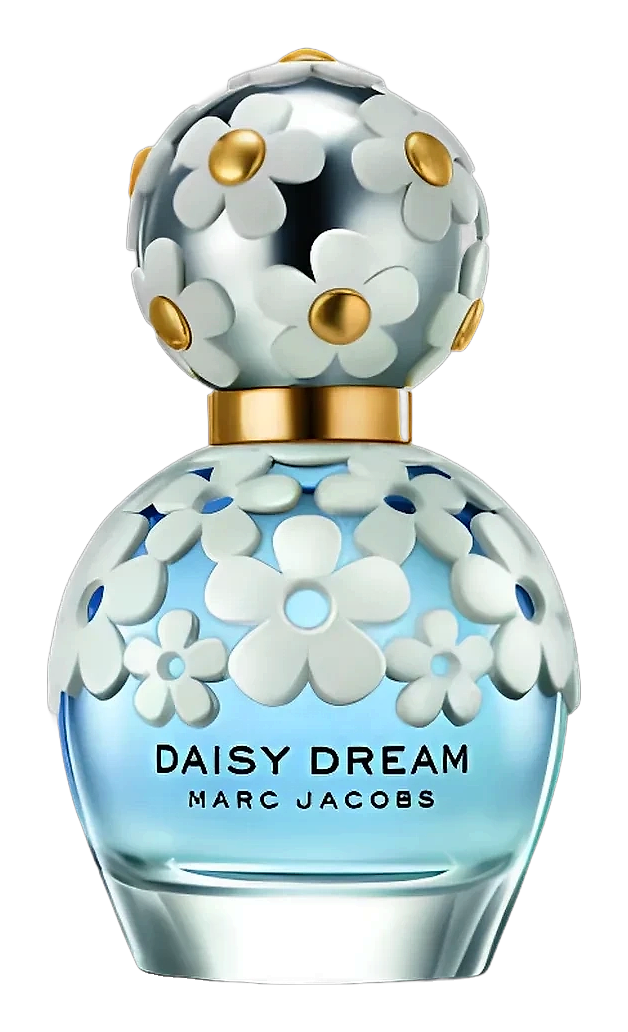
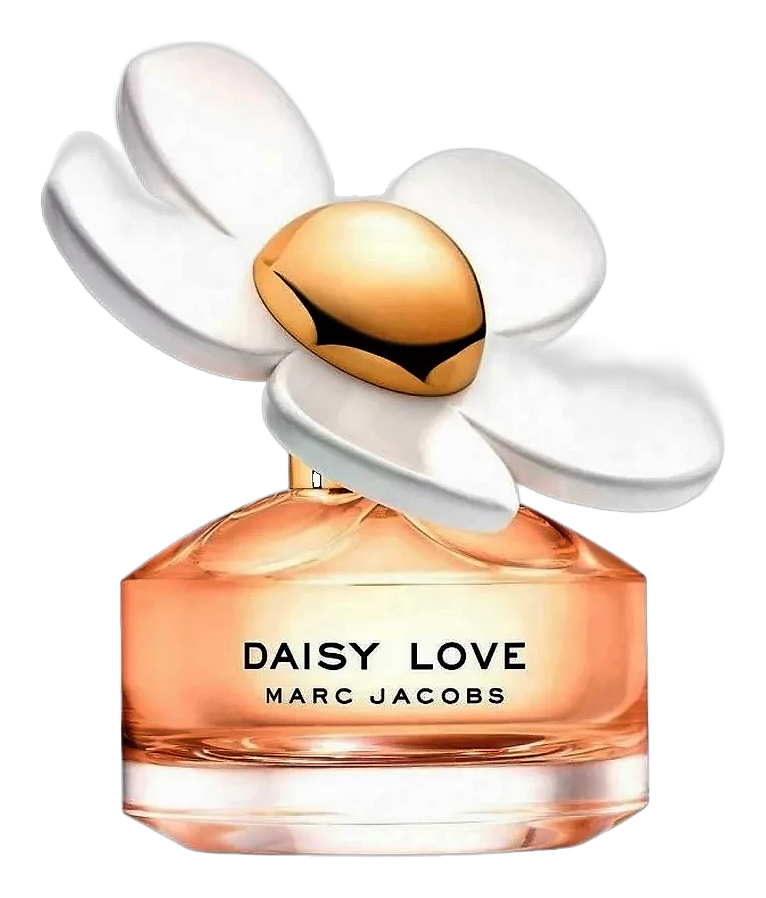
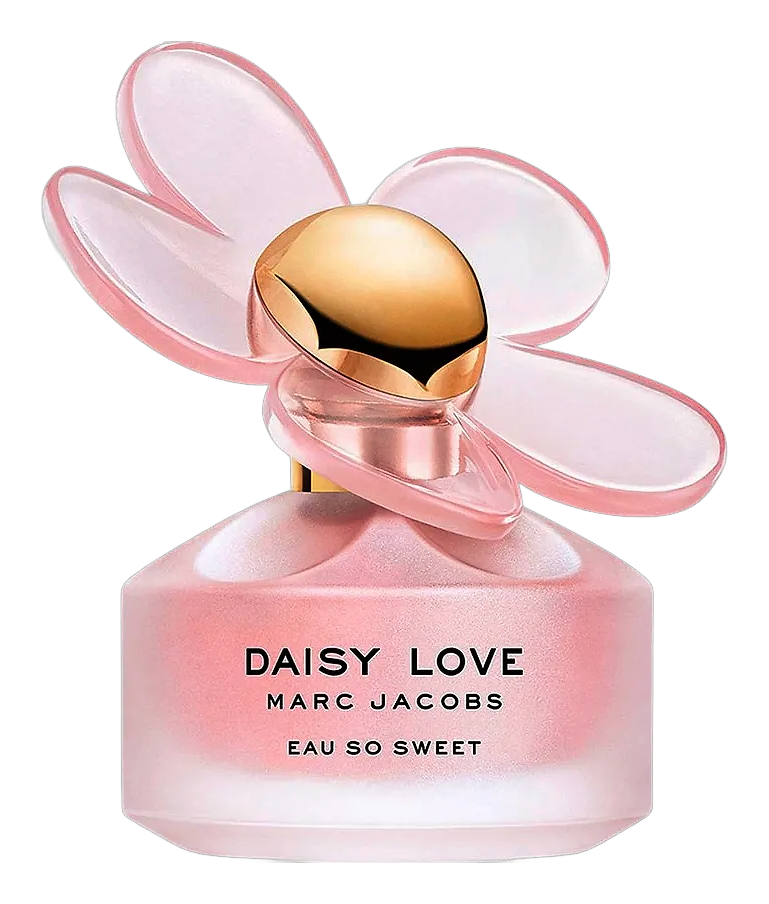
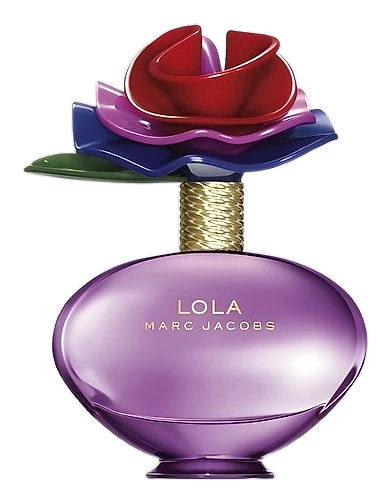
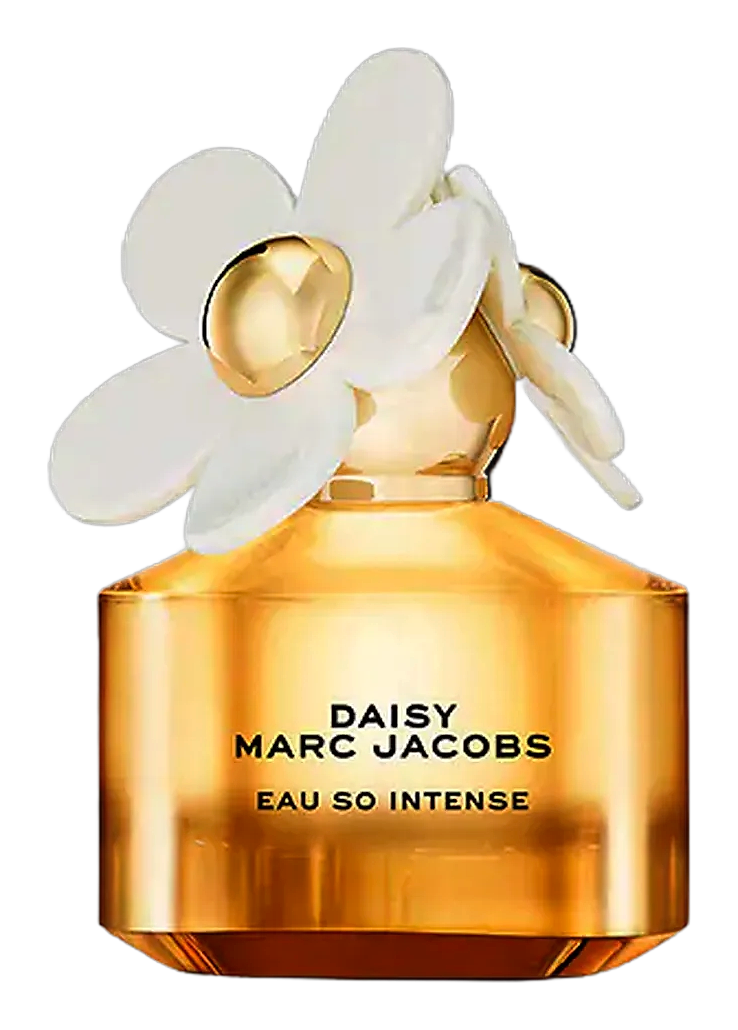
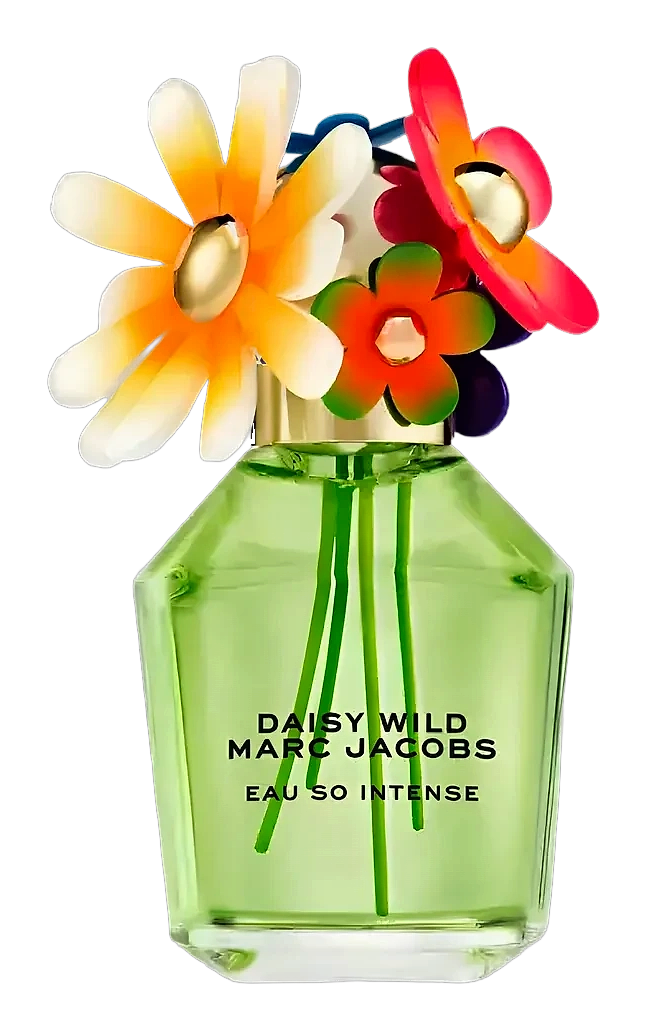
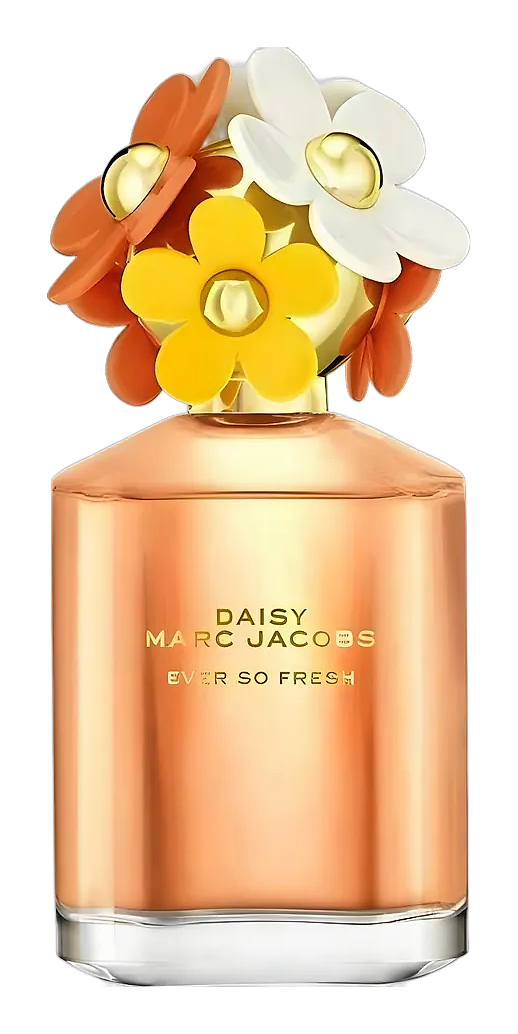
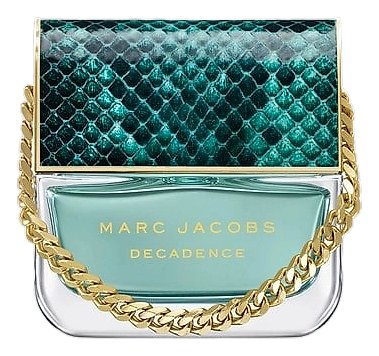
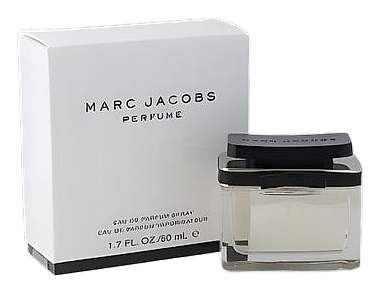
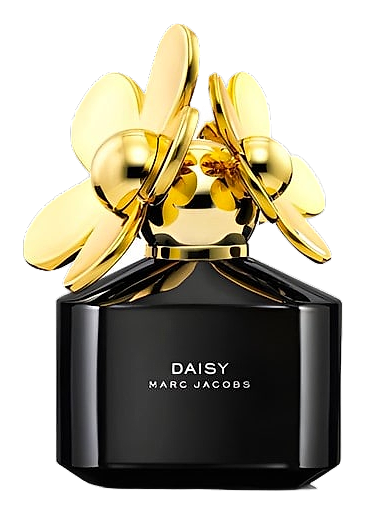
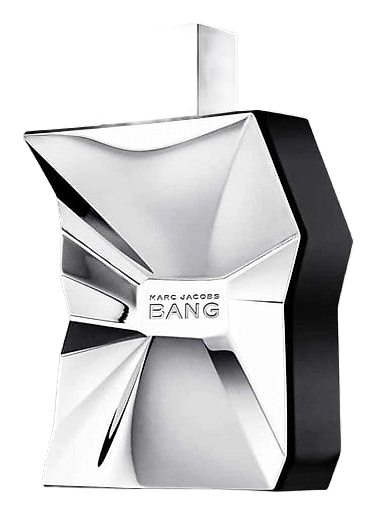
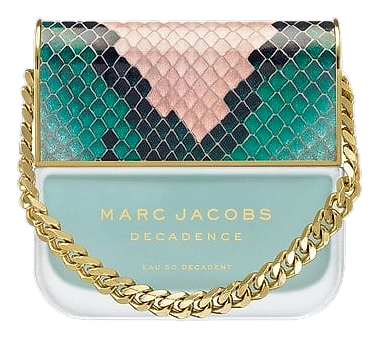
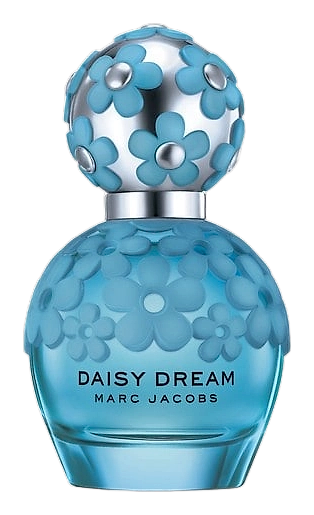
Marc JacobsMarc Jacobs fragrances, produced under license by Coty, launched in 2001 with Marc Jacobs for Women, followed by a companion men's scent in 2002. The brand has since built an extensive portfolio of fragrances anchored by signature lines including Daisy (2007), Lola (2009), Decadence (2015), and Perfect (2020). Daisy, named after Daisy Buchanan from F. Scott Fitzgerald's The Great Gatsby, quickly became a defining success for the brand, spawning numerous flankers and variations across multiple collections. The line's visual identity, with its oversized daisy cap atop a clean bottle, became one of the most recognizable silhouettes in contemporary perfumery. Decadence introduced a handbag-shaped bottle on a gold tasselled chain, a notably unconventional vessel for fragrance at the time of its launch. The brand has collaborated with a broad roster of perfumers over the years, including Annie Buzantian, Ann Gottlieb, Steve DeMercado, Loc Dong, Alberto Morillas, and Calice Becker, among many others. Marc Jacobs fragrances are available at major department stores worldwide and online.
The Creator
Domitille Michalon-BertierDomitille favors natural ingredients and makes a point of exploring new raw materials to expand her palette continuously. Her signature reads as vibrant and dynamic, drawing comparisons to jazz's unexpected harmonies or the layered tension of noir fiction.