Rhubarb
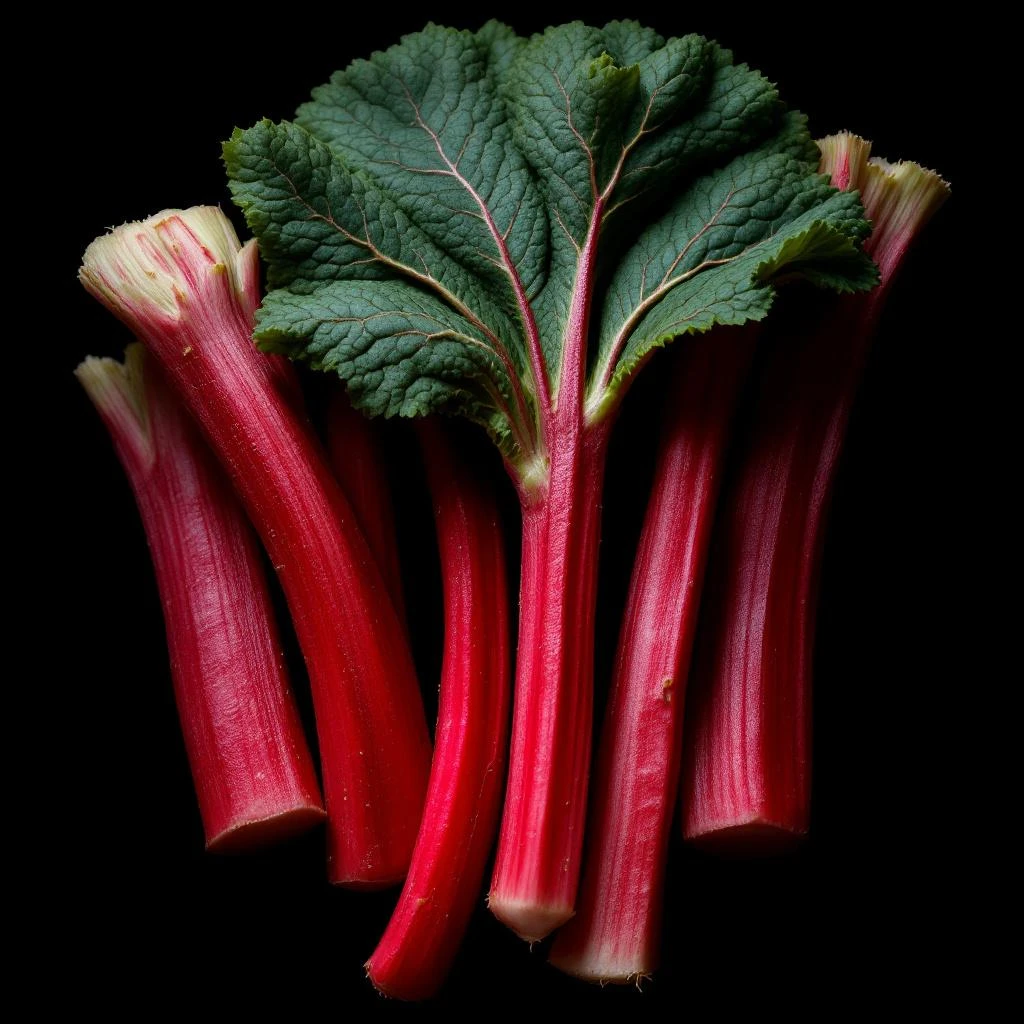
Rhubarb brings a tart, green crispness to fragrance compositions, sharp at the top like biting into a fresh stalk, then softening into a jammy sweetness. It adds brightness and lift where citrus falls short.
Character
How it smells
Tart, green, and deceptively sharp.
Rhubarb cannot be naturally extracted for perfumery. Its scent is entirely synthetically reconstructed, typically using molecules like rhubarb furanone to evoke that unmistakable tang.









Origin
China
Rhubarb has a deep botanical history stretching back over 4,000 years, originally cultivated in China for medicinal purposes long before it entered the kitchen. The plant arrived in Europe via the Silk Road by the 14th century, becoming prized for its cathartic properties in pharmacopeias across England and France. It was not until the 20th century, however, that rhubarb crossed the threshold from medicine and dessert into fragrance.
The breakthrough came with advances in synthetic aroma chemistry, which made it possible to isolate and recreate the specific molecules responsible for rhubarb's sensory character. Once locked in the laboratory, the note found a natural home in modern perfumery's appetite for fresh, gourmand-adjacent accords. Rhubarb became particularly prominent in the late 20th and early 21st centuries as perfumers sought ingredients that bridged green and sweet registers.
Today it appears across a wide stylistic range, from crisp colognes to fruity florals, where its sharp, vegetal edge provides structural contrast against softer, rounder materials. The note's journey from ancient Chinese apothecary to contemporary scent lab reflects a broader story of how modern chemistry transformed botanical curiosity into wearable art.
Wears it best
Fragrances featuring Rhubarb
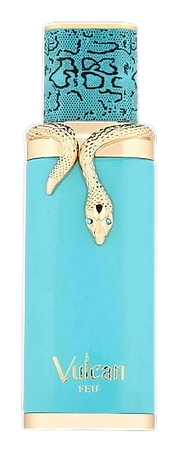
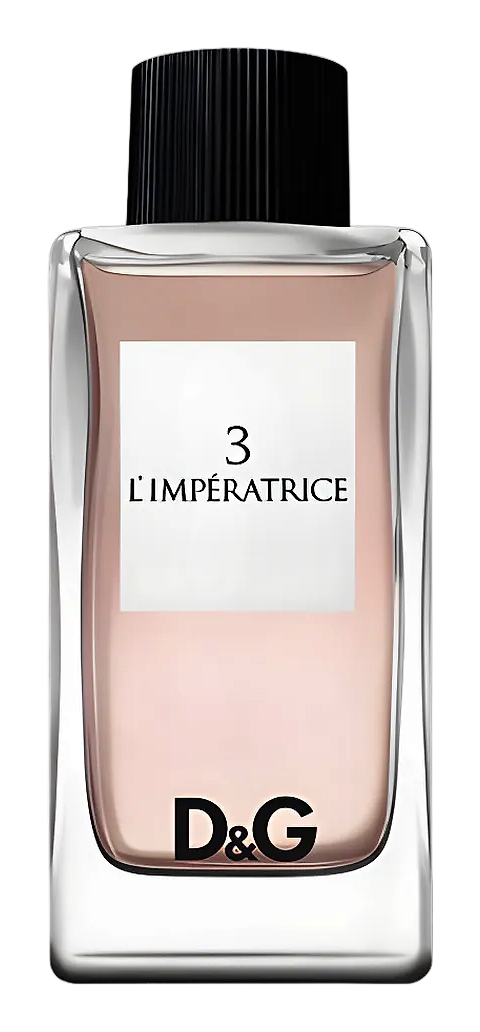

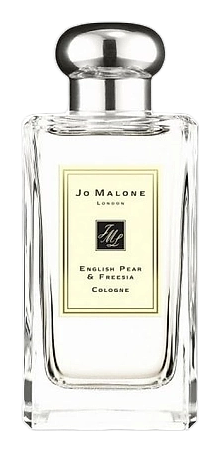

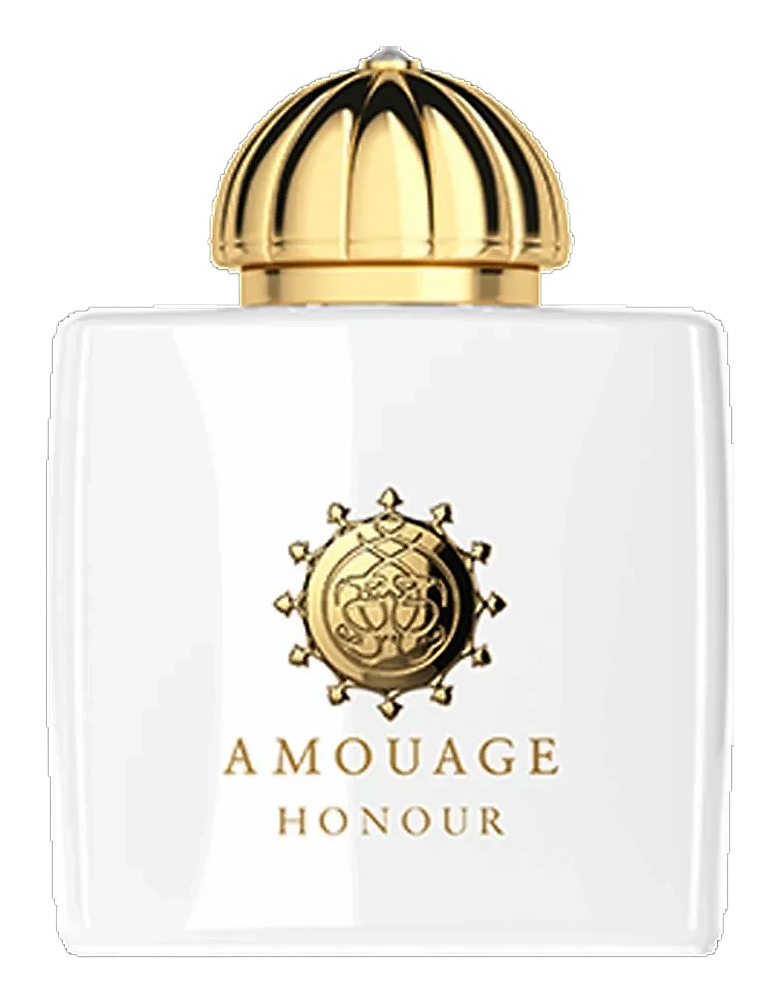
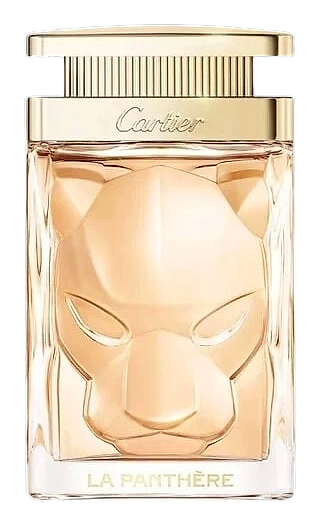
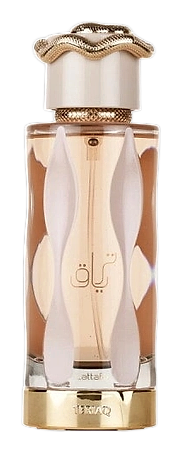
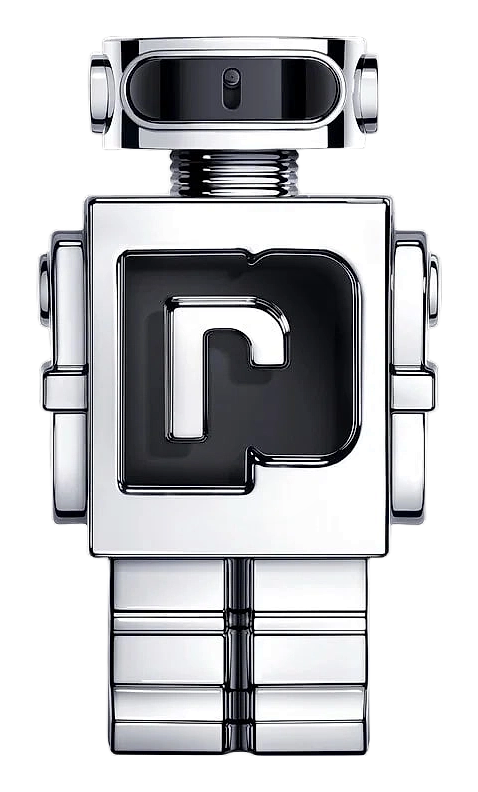
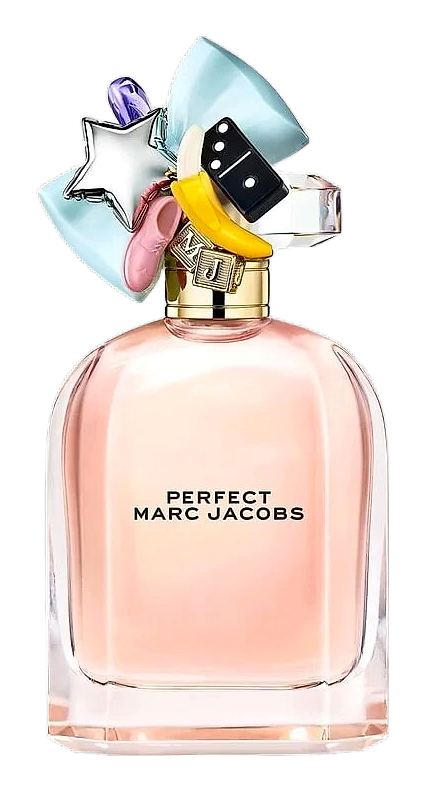
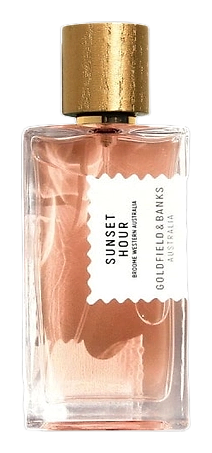
Brands
Brands known for Rhubarb
Good to know
Questions, answered
The essentials on Rhubarb in perfumery: how it smells, where it comes from, and how it behaves on skin.
What does rhubarb smell like in perfume?
Rhubarb smells tart, green, and slightly sweet, reminiscent of biting into a fresh stalk. The note combines sharp, vegetal acidity with a jammy, almost candied undertone that adds brightness to fragrance compositions.
Is rhubarb natural or synthetic in perfumery?
Rhubarb in perfume is almost entirely synthetic. The vegetable resists conventional extraction methods like steam distillation, so perfumers reconstruct its scent using aroma chemicals such as rhubarb furanone.
Where does rhubarb originate?
Rhubarb originates in China, where it was first cultivated over 4,000 years ago for medicinal use. It reached Europe via the Silk Road by the 14th century and later transitioned from pharmacy to perfumery.
What fragrance families does rhubarb belong to?
Rhubarb typically appears in green and fruity fragrance families. It frequently supports floral compositions and adds sharpness to gourmand or chypre structures where its tartness balances sweeter base notes.
Why is rhubarb hard to extract naturally?
Rhubarb stalks produce virtually no aromatic oil when steam-distilled or solvent-extracted. The volatile compounds responsible for its characteristic scent are either too fragile or too scarce for viable natural extraction.
What synthetics recreate the rhubarb note?
Perfumers use rhubarb furanone for its sweet, jam-like quality, combined with green aldehydes and pyrazines for sharpness. Rose oxide and specific esters often round out the accord with floral and sparkling facets.
When did rhubarb first appear in perfumery?
Rhubarb entered fragrance composition in the 20th century alongside advances in synthetic aroma chemistry. It became widely popular in the late 20th and early 21st centuries as perfumers embraced its bright, modern character.
Does rhubarb pair well with other notes?
Rhubarb pairs exceptionally well with rose, citrus, and green tea, where its sharpness enhances floral and fresh elements. It also complements vanilla and amber, creating tension between tart top notes and warm bases.