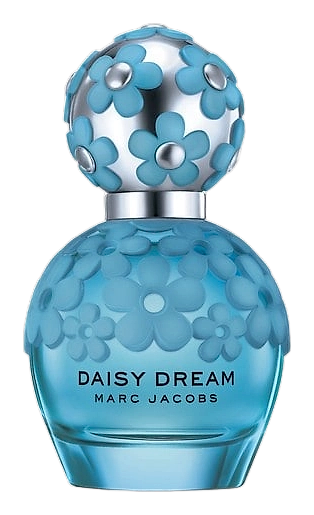

The Story
Why it exists.
The beginning
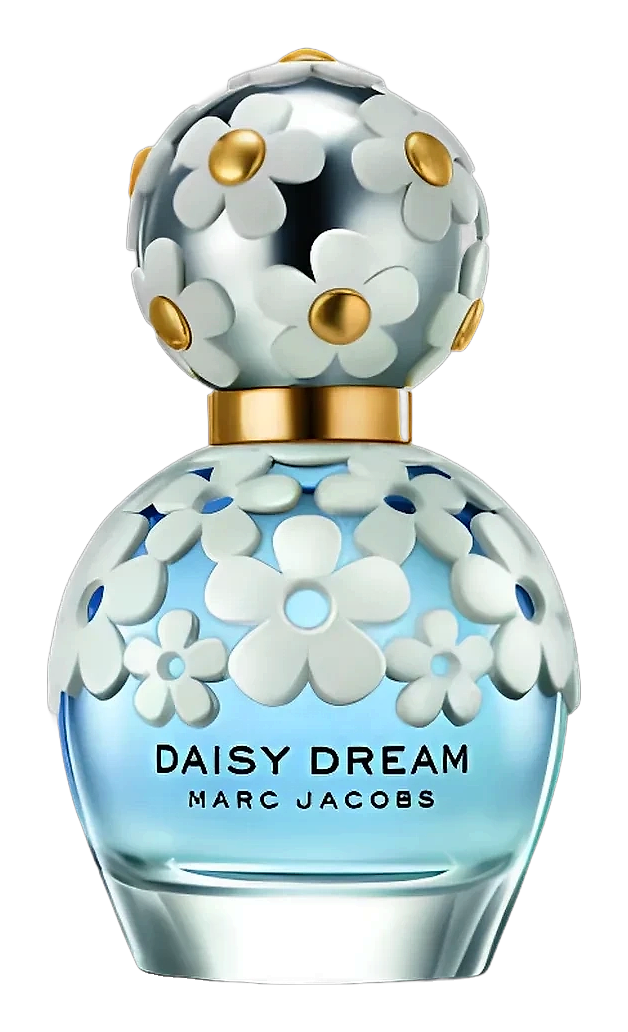
Daisy Dream Forever arrived in 2015 as the more permanent companion to the original Daisy Dream. Where the 2014 EDT captured a fleeting moment, this EDP concentration was designed to last, not just on skin, but in the line. Alberto Morillas and Ann Gottlieb worked with the same fruity-floral structure, blackberry, pear, grapefruit opening, but gave it weight, letting the wisteria and jasmine breathe longer before the blond woods arrive. The inspiration was literal: an endless blue sky, the kind that stretches past noon and into golden hour without ever darkening. It's the scent of a daydream that refuses to end.
What makes this work is the wisteria. It's not a standard florist flower, it shows up in mainstream perfumery rarely, and when it does, it's often synthetic. Here, paired with litchi and jasmine, it creates a floral heart that reads as both sweet and slightly cool, like the scent of air in a sun-drenched garden. The blond woods base isn't heavy or resinous, it's transparent, like light through white curtains. The whole composition stays in the upper registers, which is why it feels airy even as it develops.
The evolution
The opening hits quick, blackberry and pear arriving together, the grapefruit lending a citrus sharpness that keeps it from being too sweet. This phase lasts maybe 20 minutes before the florals begin to surface. The wisteria doesn't rush in. It seeps, almost like humidity building before a storm. The litchi adds a watery, almost translucent quality to the jasmine. Then, around the two-hour mark, the blond woods arrive, not heavy, not dark, but present. They're the skeleton that keeps the rest from floating away. The drydown is quiet. A skin scent, but one that announces itself if someone gets close. On fabric, it lasts longer, the cotton holds the fruit longer than skin does.
Cultural impact
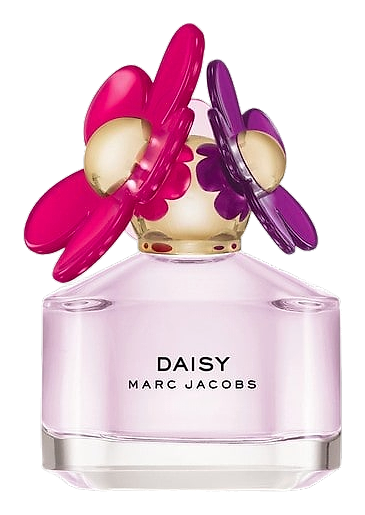
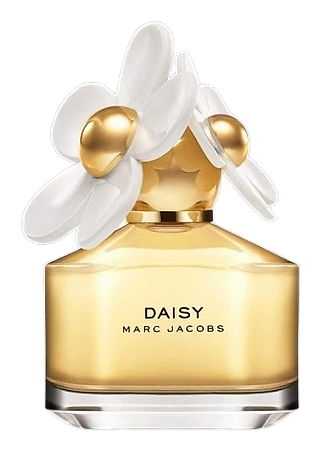
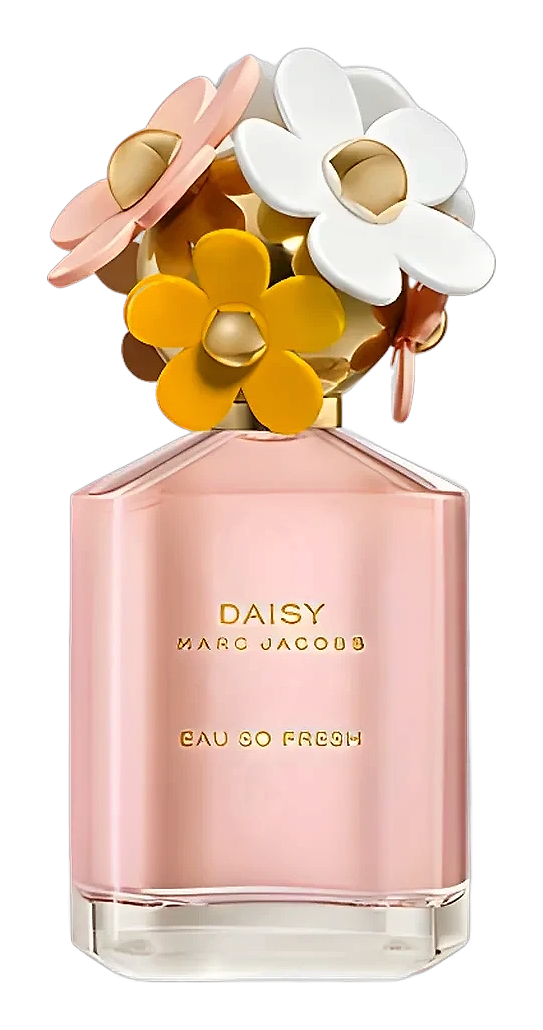
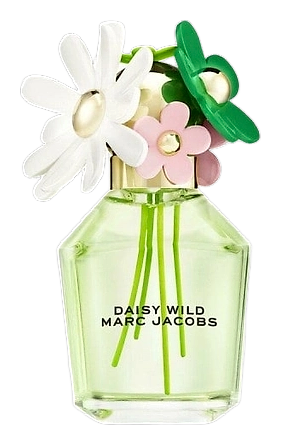
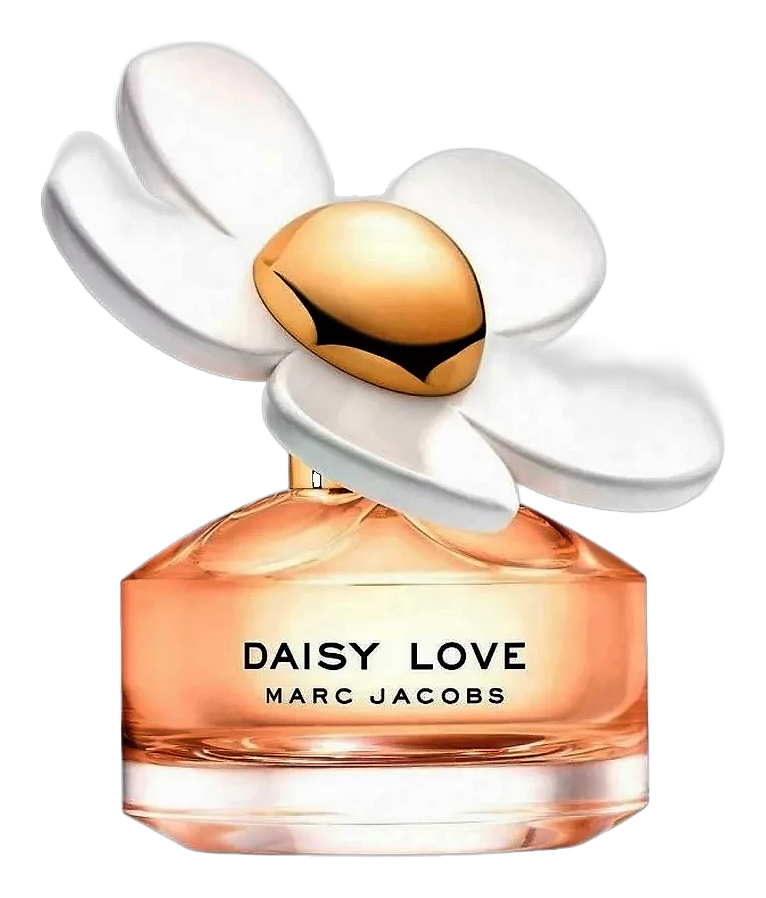
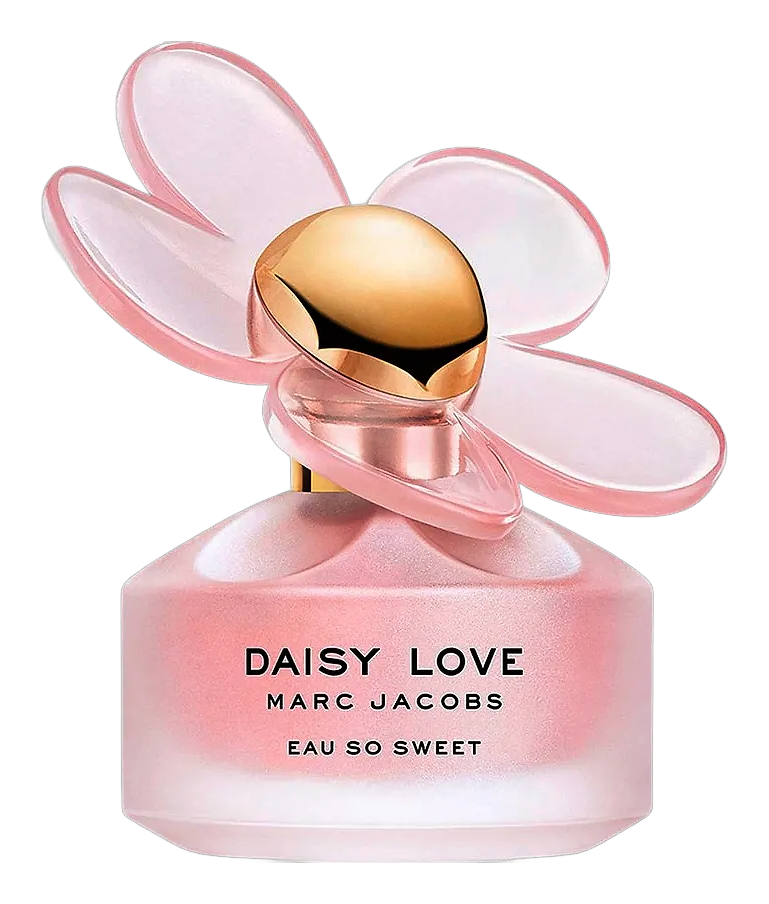
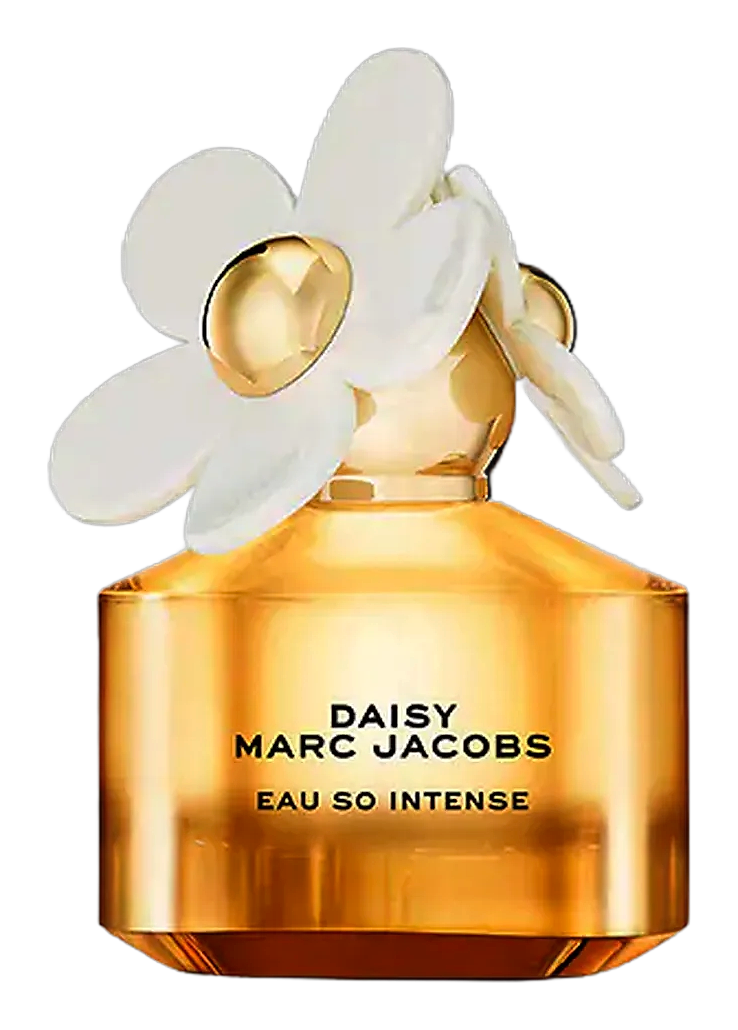
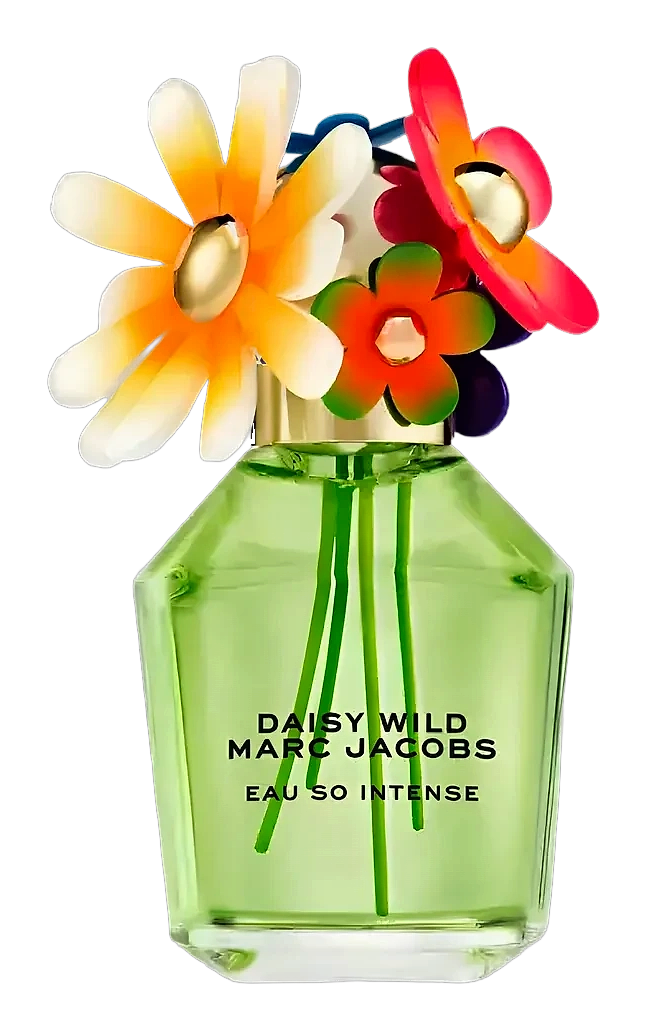
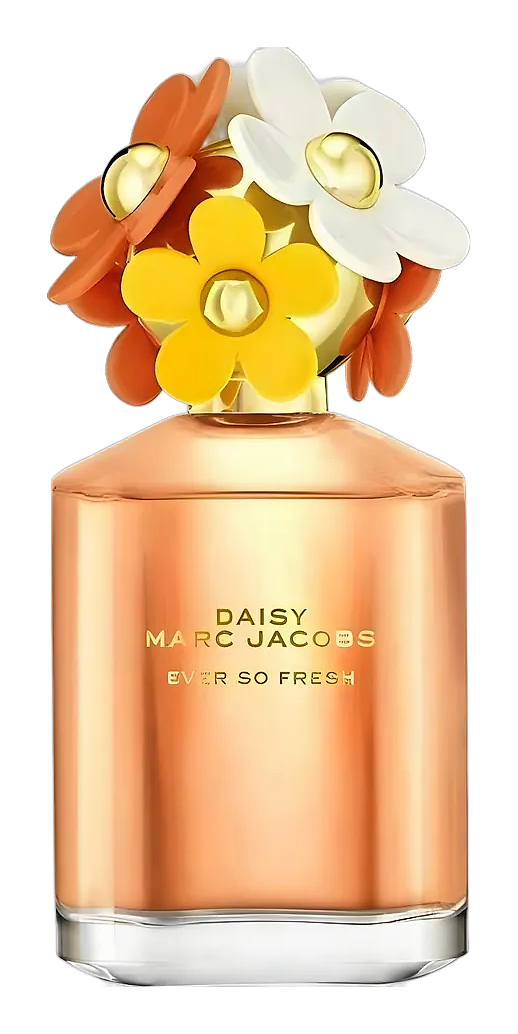
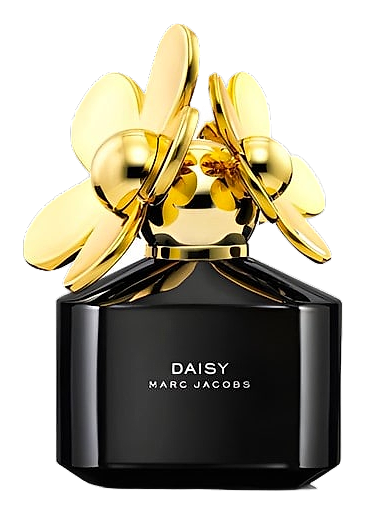
The Daisy line spawned one of the most recognizable fragrance silhouettes of the century, the oversized daisy cap, the gold collar, the transparent bottle. This EDP version gave that legacy more staying power while keeping the same youthful, approachable spirit that made the line an accessible entry point for younger fragrance buyers entering the market.
The House
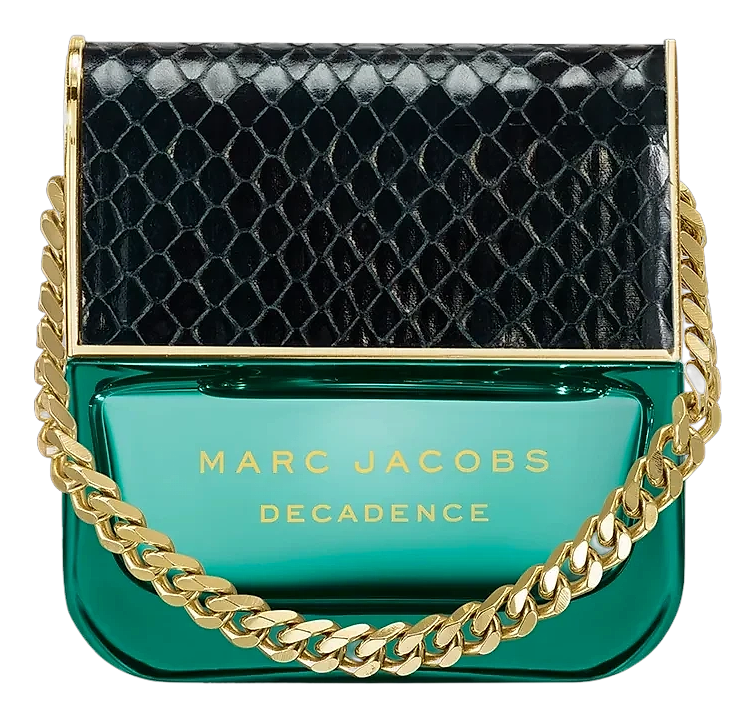
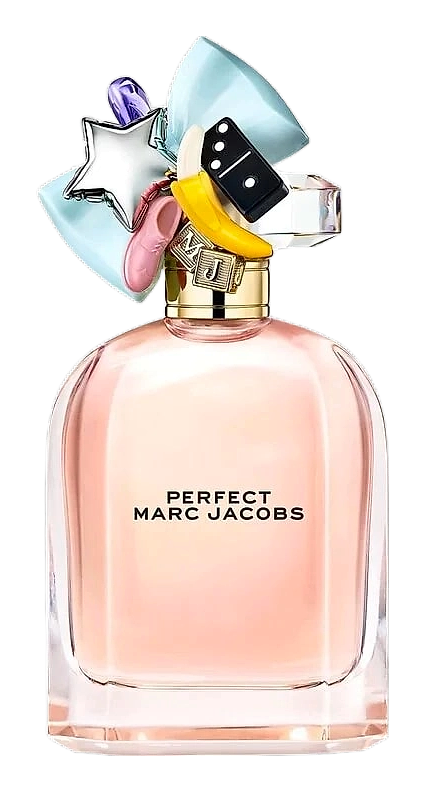
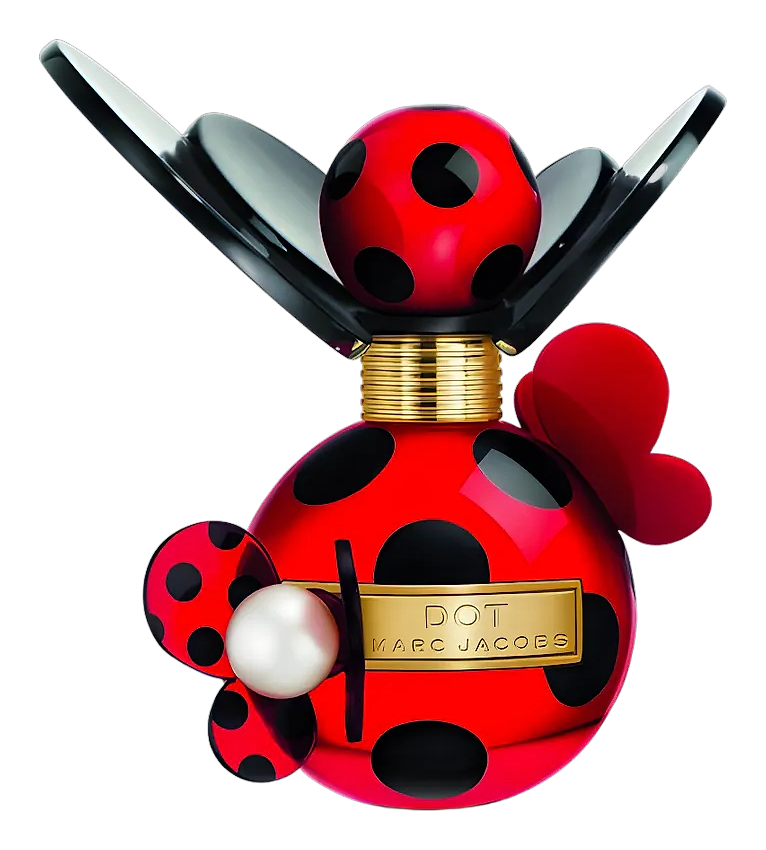
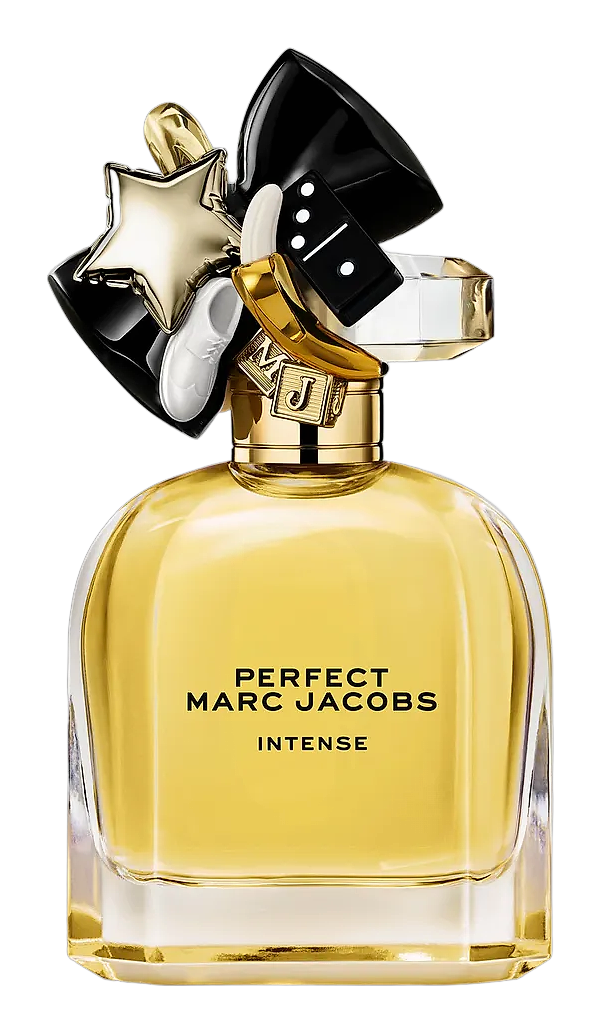
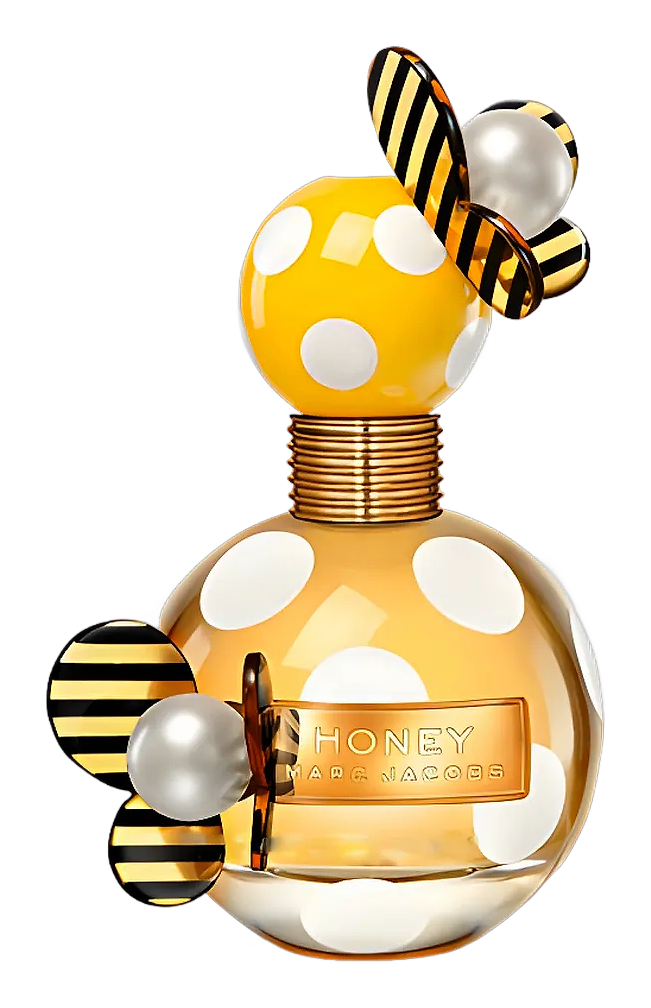
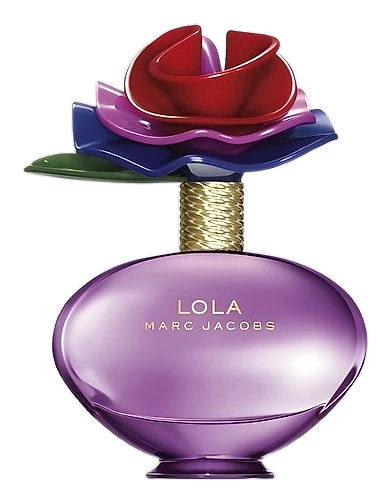
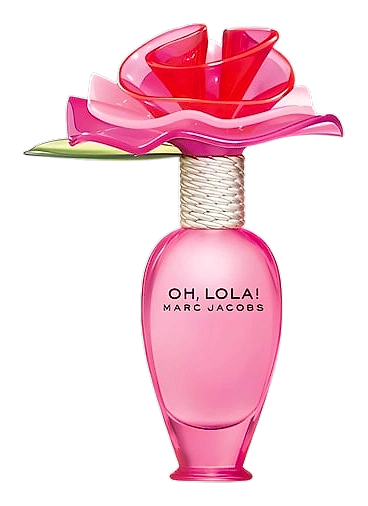
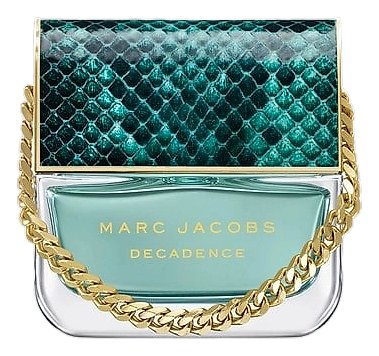
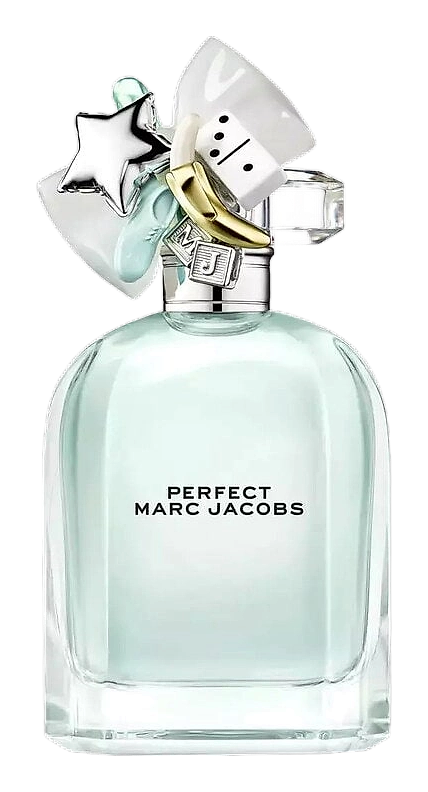
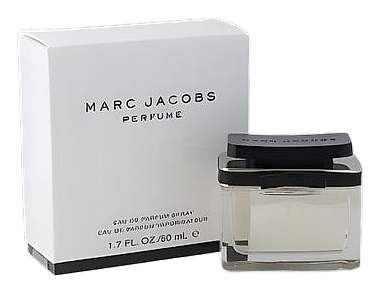
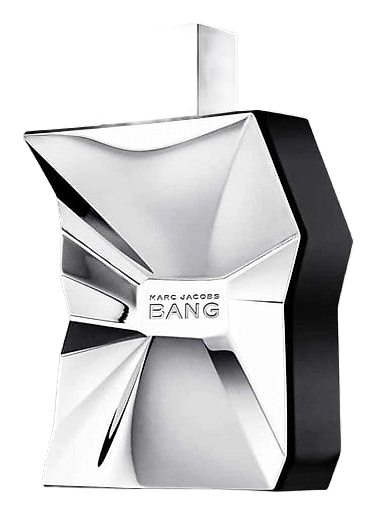
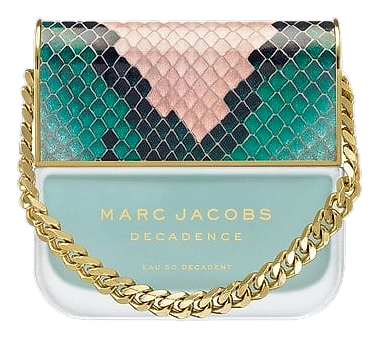
Marc JacobsMarc Jacobs fragrances, produced under license by Coty, launched in 2001 with Marc Jacobs for Women, followed by a companion men's scent in 2002. The brand has since built an extensive portfolio of fragrances anchored by signature lines including Daisy (2007), Lola (2009), Decadence (2015), and Perfect (2020). Daisy, named after Daisy Buchanan from F. Scott Fitzgerald's The Great Gatsby, quickly became a defining success for the brand, spawning numerous flankers and variations across multiple collections. The line's visual identity, with its oversized daisy cap atop a clean bottle, became one of the most recognizable silhouettes in contemporary perfumery. Decadence introduced a handbag-shaped bottle on a gold tasselled chain, a notably unconventional vessel for fragrance at the time of its launch. The brand has collaborated with a broad roster of perfumers over the years, including Annie Buzantian, Ann Gottlieb, Steve DeMercado, Loc Dong, Alberto Morillas, and Calice Becker, among many others. Marc Jacobs fragrances are available at major department stores worldwide and online.
The Creator
Alberto Morillas & Ann GottliebMorillas' style is characterized by a luminous transparency and a masterful use of musks. He often incorporates citrus notes to create a bright, uplifting effect.