Almond Milk
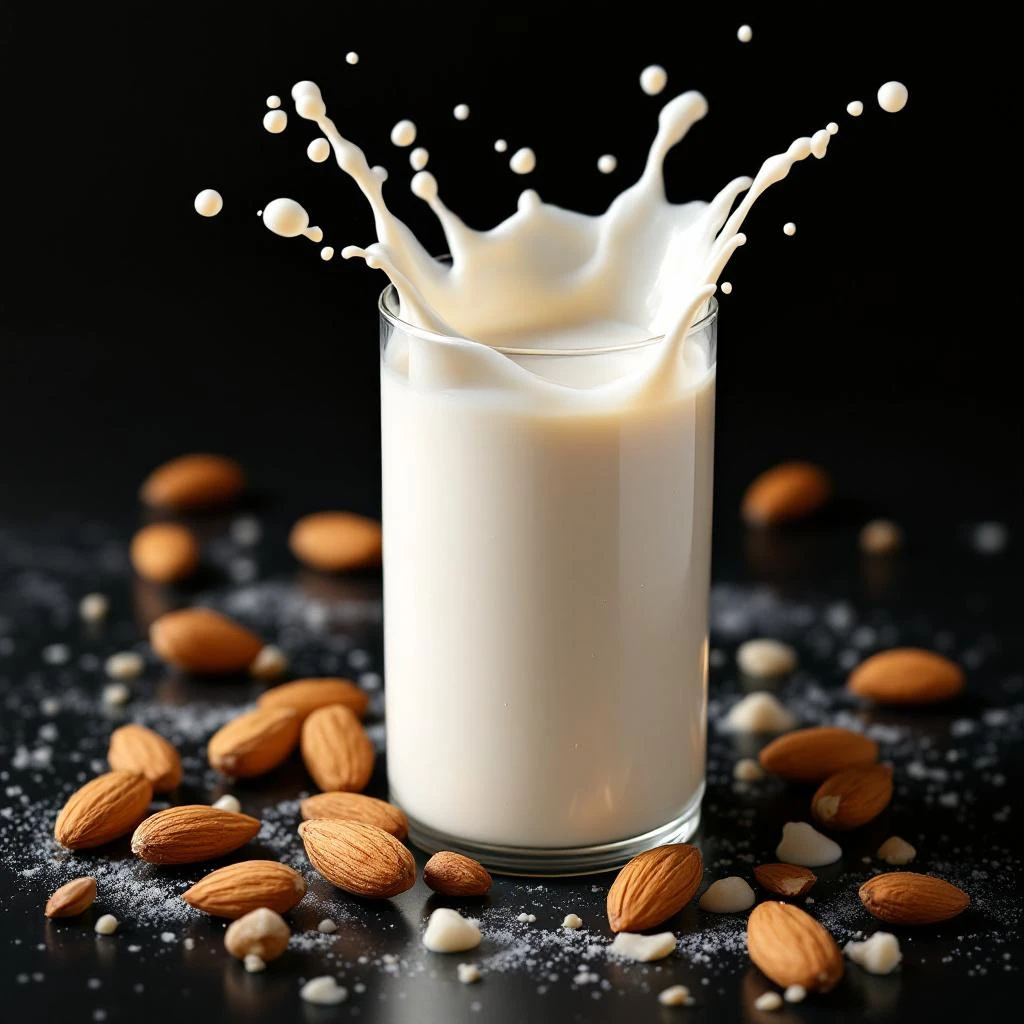
Almond milk lends a soft, creamy sweetness to perfumery, capturing the comforting warmth of almonds in liquid form. It evokes nostalgia and warmth without bitterness, adding a lactonic quality that feels indulgent and familiar. Perfumers value it as a base note that brings roundness to gourmand compositions.
Character
How it smells
A liquid embrace of almonds, turning comfort into scent.
Almond trees bloom with white and pink flowers at winter's end, resembling small peaches before the fruit matures and reveals the familiar nut within.








Origin
United States
Almond milk traces its roots to the ancient Middle East, where almonds have grown for over 4,000 years. Ancient Egyptians prized almonds as sacred, and medieval Arab physicians documented their use in treatments for digestive ailments.
During the Middle Ages, almond milk became a practical substitute for animal milk, valued for its longer shelf life. French cuisine adopted almonds extensively, with croissants even shaped to echo the half-moon form of the nut.
The ingredient's journey from culinary staple to perfumery material spans continents, carried along trade routes by Greeks and Arabs who recognized its versatility and gentle fragrance. California now dominates global almond production, followed by Spain, ensuring a steady supply for both food and fragrance industries.
Wears it best
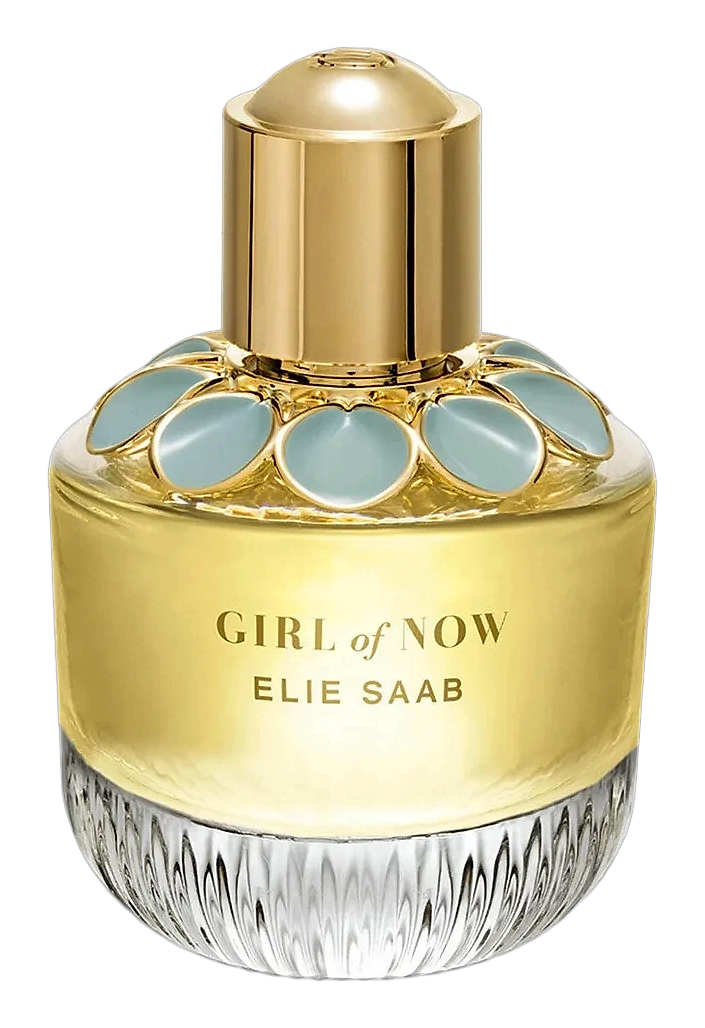
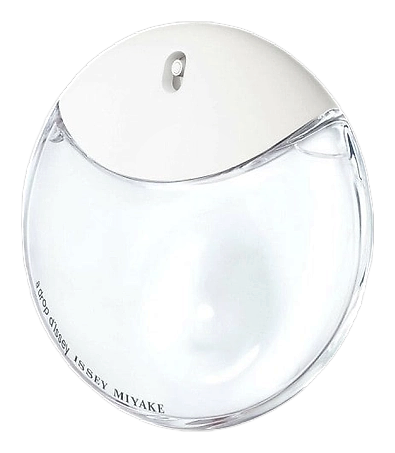
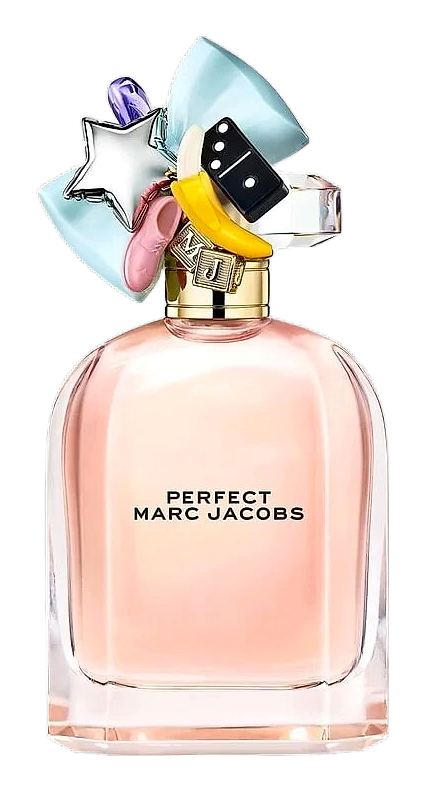
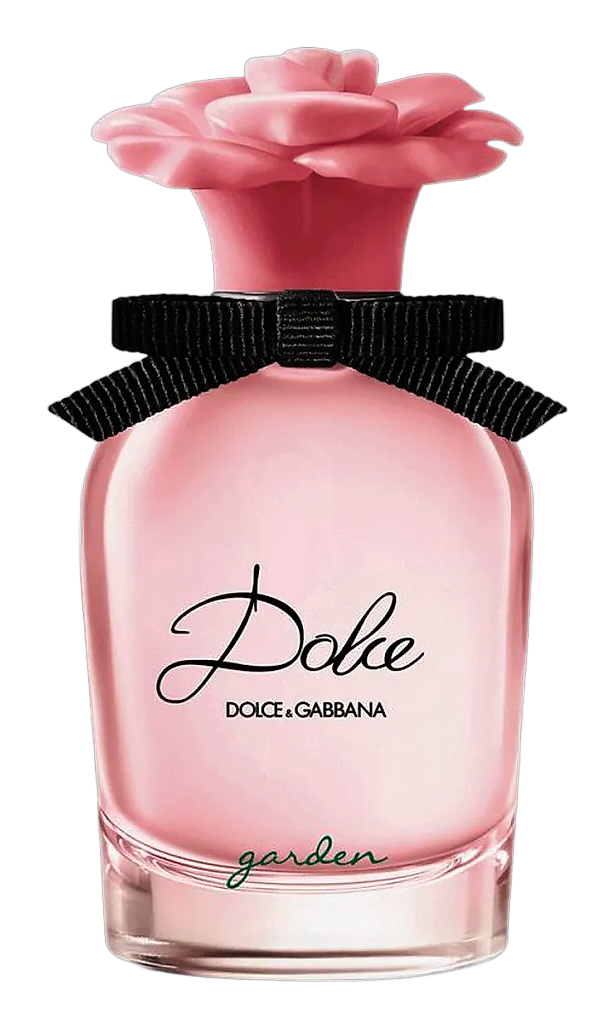
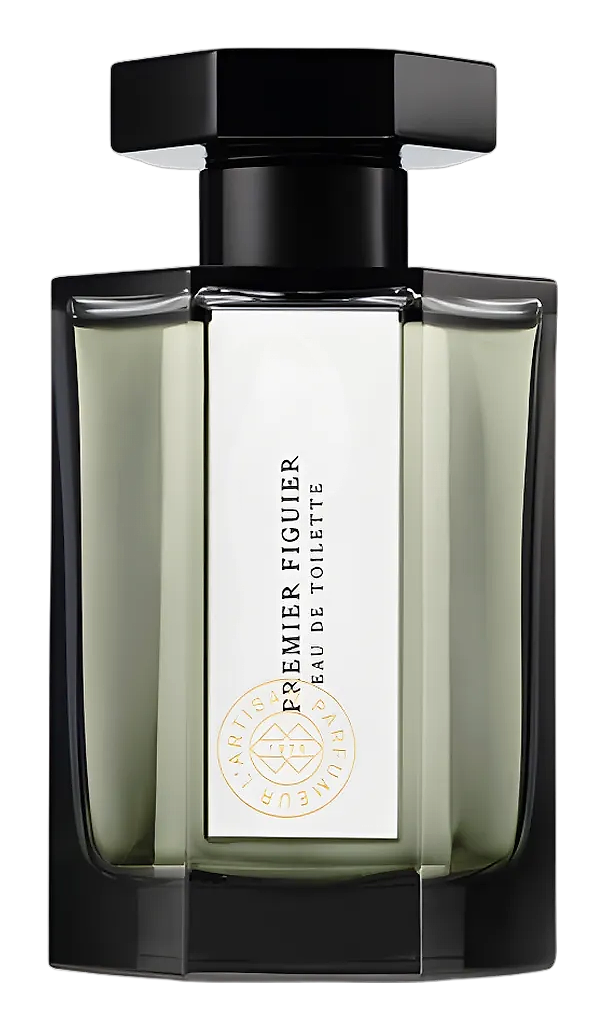
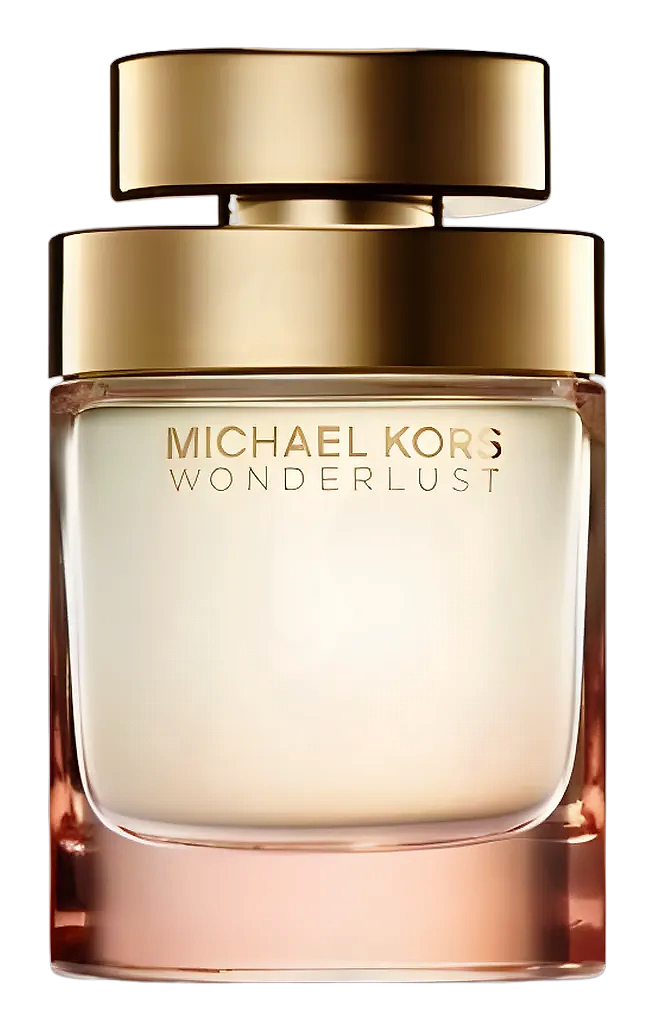
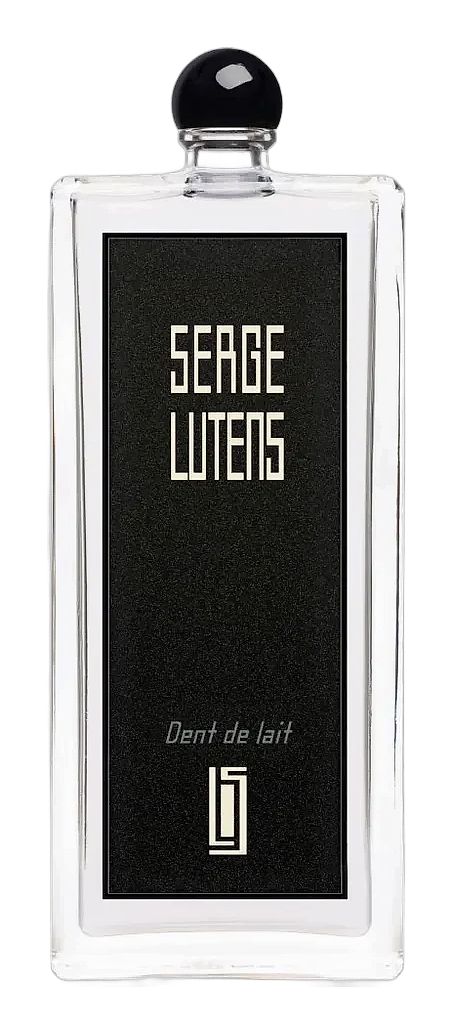
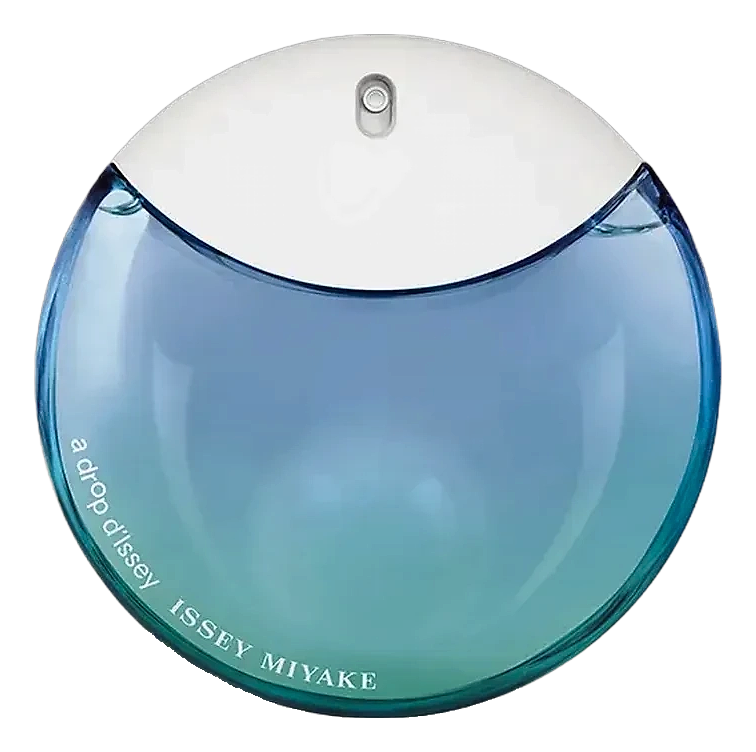
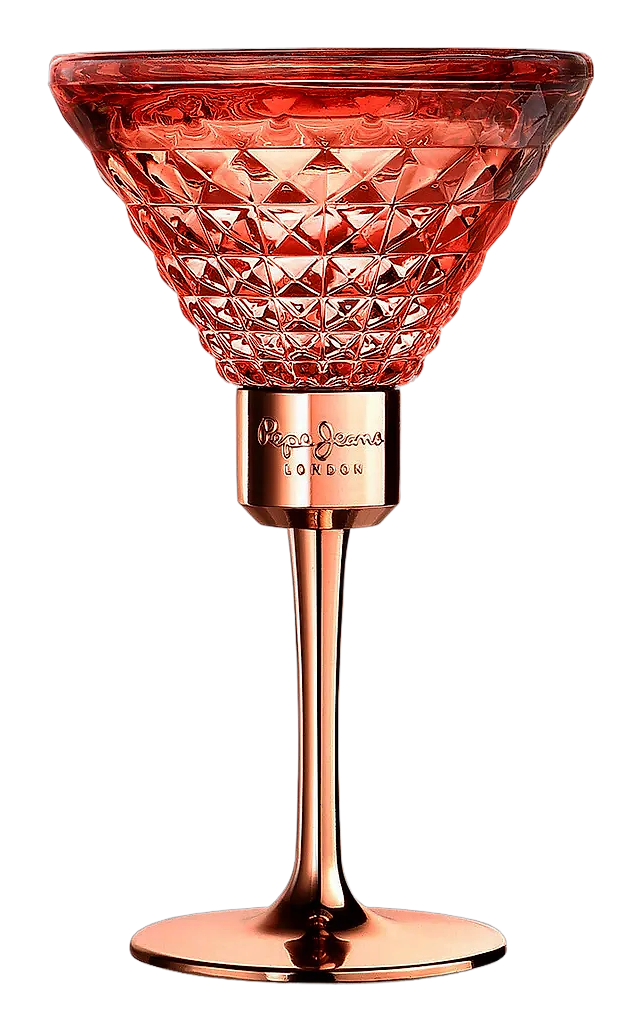
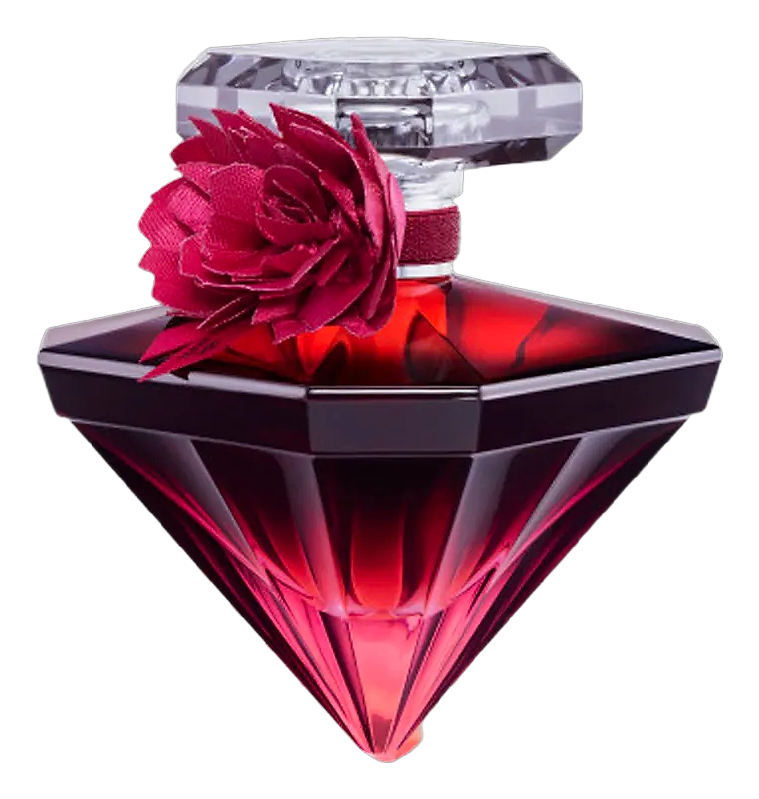
Fragrances featuring Almond Milk

Brands
Brands known for Almond Milk
Good to know
Questions, answered
The essentials on Almond Milk in perfumery: how it smells, where it comes from, and how it behaves on skin.
What does Almond milk smell like in perfume?
Almond milk smells sweet, creamy, and slightly nutty with soft lactonic undertones. It evokes warmth and comfort without the bitter notes found in raw almonds, creating an indulgent, familiar quality that many associate with childhood.
Why is Almond milk used in perfumery?
Almond milk serves as a fixative that extends a fragrance's longevity on skin. Its natural fixative properties help anchor lighter notes while adding creamy depth. This ingredient works particularly well in gourmand and comforting fragrance families.
Is Almond milk in perfume natural or synthetic?
Almond milk in perfume is typically derived from natural sweet almond kernels through aqueous extraction. Some perfumers supplement with nature-identical compounds to ensure batch consistency while preserving the authentic aroma profile.
What famous perfumes contain Almond milk?
Several luxury fragrances feature almond milk for its creamy sweetness. While specific formulations vary, gourmand fragrances commonly list it among base notes. The ingredient pairs frequently with vanilla, tonka bean, and white musks in these compositions.
Is Almond milk a top note, heart note, or base note?
Almond milk functions primarily as a base note in perfumery. Its strong, long-lasting aroma anchors lighter top and heart notes, providing structural support and extending the fragrance's sillage for several hours on skin.
What notes pair well with Almond milk in perfume?
Almond milk pairs excellently with vanilla, caramel, and tonka bean for gourmand effects. It also complements white florals like jasmine and ylang-ylang, adding creamy depth without overwhelming delicate floral elements.
How is Almond milk extracted?
Manufacturers produce almond milk for perfumery by cold pressing sweet almond kernels or macerating them in water. The resulting liquid undergoes concentration through food-grade solvents, yielding an aromatic absolute that captures the milk's soft, sweet character.
Is Almond milk used in men's or women's fragrances?
Almond milk appears across gender categories in modern perfumery. While traditionally associated with feminine florals and gourmands, contemporary formulations increasingly feature it in unisex and masculine scents for its comforting, warm qualities.