
The Story
Why it exists.
The beginning
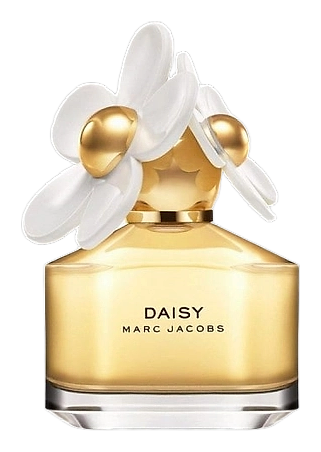
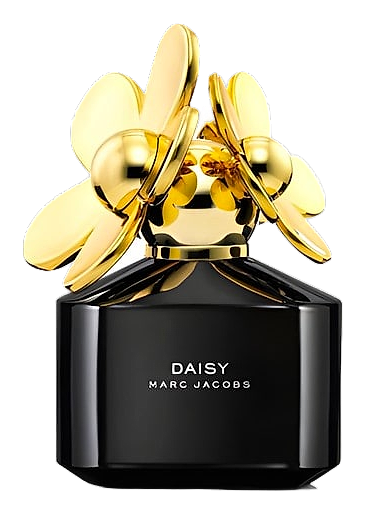
The original Daisy arrived in 2008, named for a character whose precise literary origins remain undocumented in available sources. Marc Jacobs had built his fashion house on a particular aesthetic sensibility, and the fragrance carried that same energy, a bright floral signature that felt modern without trying. The ozonic notes opened clean and airy, while white florals brought a warmth that felt inviting rather than heavy. When the Black Edition launched under Alberto Morillas, it used the same formula as the original but wrapped it in a different costume, black glass, gold stopper, a package that suggested something darker without actually changing the scent.
The key to understanding Daisy Black Edition is that Morillas built something that works in any context. The ozonic quality keeps it feeling clean and modern, the white florals give it warmth without heaviness, and the woody base keeps everything grounded without pulling toward the too-sweet or too-mature end of the spectrum. The strawberry note, bright, almost natural, not candy-sweet, threads through the entire composition. Most flankers adjust the formula to differentiate; this one just changes the bottle.
The evolution
The opening arrives bright and tart, with red grapefruit giving the violet leaf a sharp green edge. The strawberry sits underneath, not sweet exactly, but present, like fruit on the counter, not fruit in a jar. Gardenia comes next, creamy and full, followed by jasmine that adds a quiet complexity to the powdery floral heart. The transition feels natural, not staged. By the time the drydown arrives, the ozonic quality has settled into something softer, white woods and musk holding the vanilla close to the skin. The strawberry does not disappear. It stays, quieter now, woven through the base like a melody you cannot quite place. What surprises is how well this holds together, how the same note that opened bright stays present in the drydown, just softer, just closer.
Cultural impact
Daisy Black Edition arrived as a flanker to one of the decade's most successful fragrance launches. The original Daisy had already become a defining scent, one whose character felt distinctive in the crowded fragrance landscape. The Black Edition did not try to reinvent that formula; it offered the same character in darker packaging, appealing to someone who wanted the core identity but with a different aesthetic register. The ozonic white floral combination brought something that felt contemporary and refined, less about making a statement and more about asserting presence quietly.