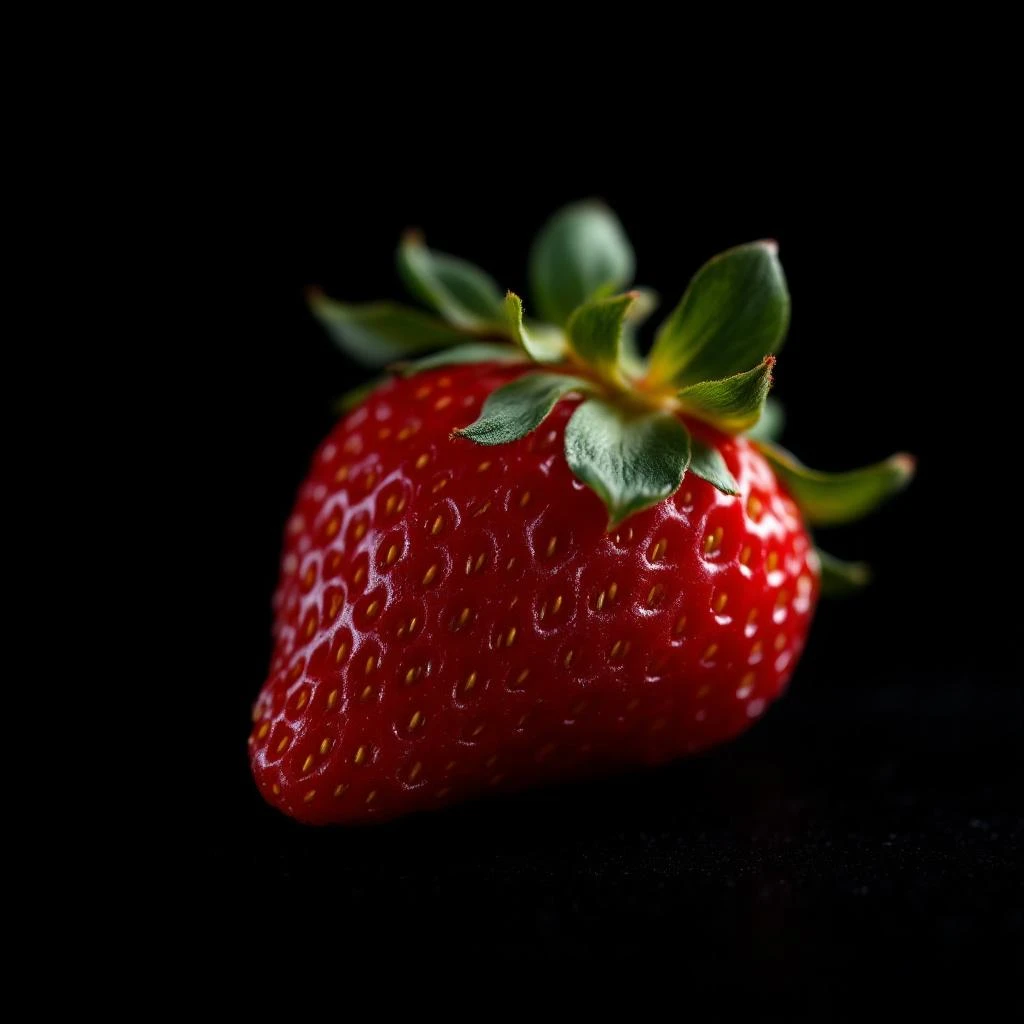
Woodland strawberry
Woodland strawberry (Fragaria vesca) yields a delicate, jammy-fruity note with green, seed-like undertones. Wild and intensely aromatic, it differs sharply from cultivated varieties, offering perfumers a more nuanced, less sugary alternative.
Character
How it smells
Wild berry brightness with a green, seedy edge
Unlike cultivated strawberries, Fragaria vesca continues to fruit throughout the growing season, which historically made it the preferred berry for European monasteries and royal gardens.








Origin
Eurasia
Fragaria vesca, the woodland or alpine strawberry, is native to a broad swath of Eurasia and North America, where it has grown wild for millennia. Ancient Romans cultivated it in gardens, and by the Middle Ages it was a staple in monastic herb gardens across Europe, valued both as food and medicine.
Hybrids between the woodland strawberry and the European species Fragaria viridis were grown until around 1850 before disappearing from cultivation. The species was overshadowed in the 18th and 19th centuries by larger New World varieties that crossed the Atlantic and dominated commercial strawberry production.
Strawberry as a fragrance ingredient emerged commercially in the 20th century, once extraction techniques improved enough to capture volatile top notes without rapid degradation. Today the woodland strawberry appears more often in fine fragrance compositions as a conceptual reference than as a literal extract, celebrated for its nostalgic, wild character.
Wears it best
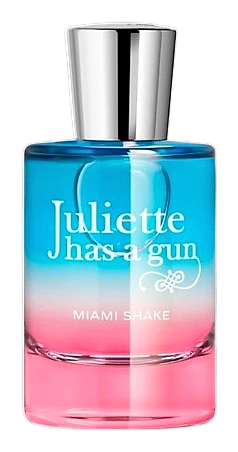
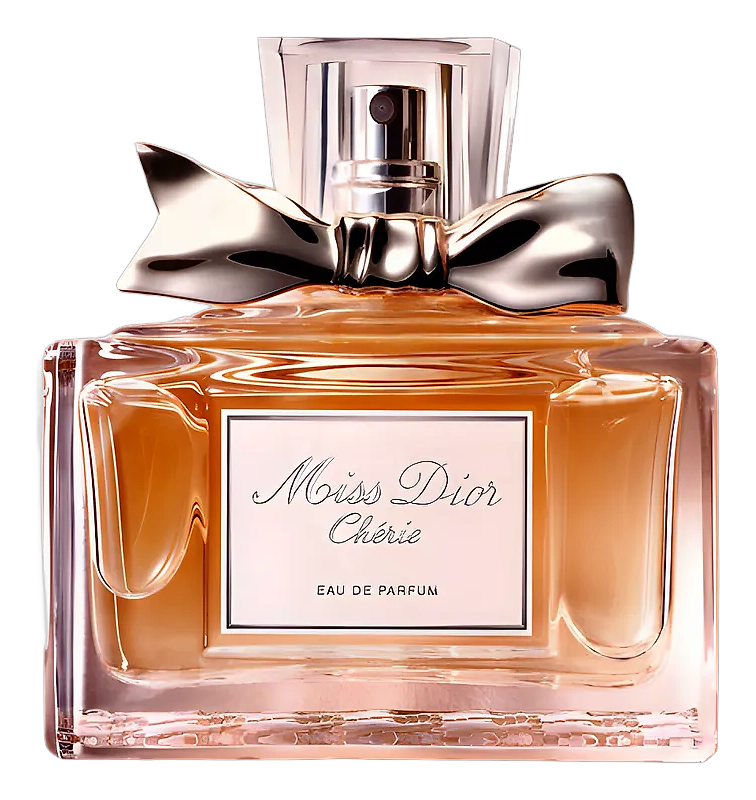
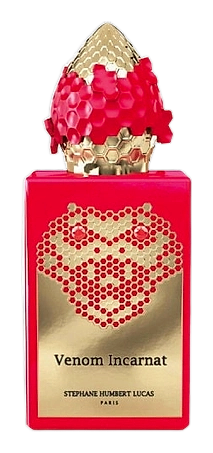
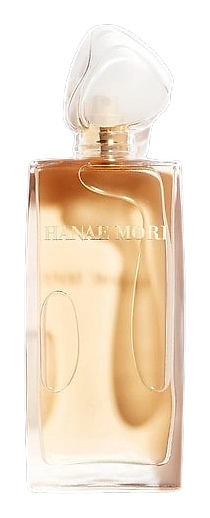
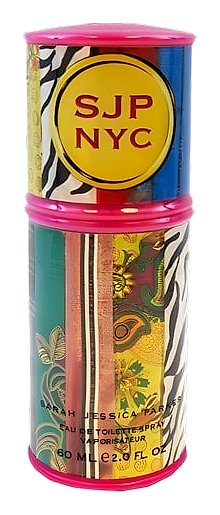
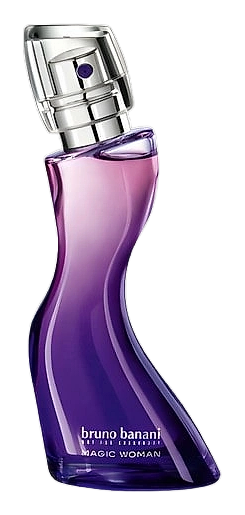
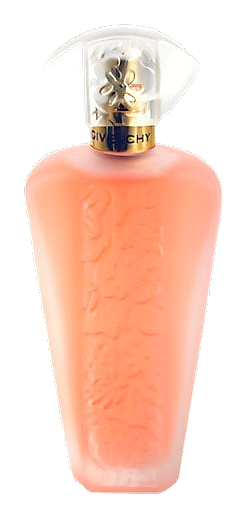
Fragrances featuring Woodland strawberry
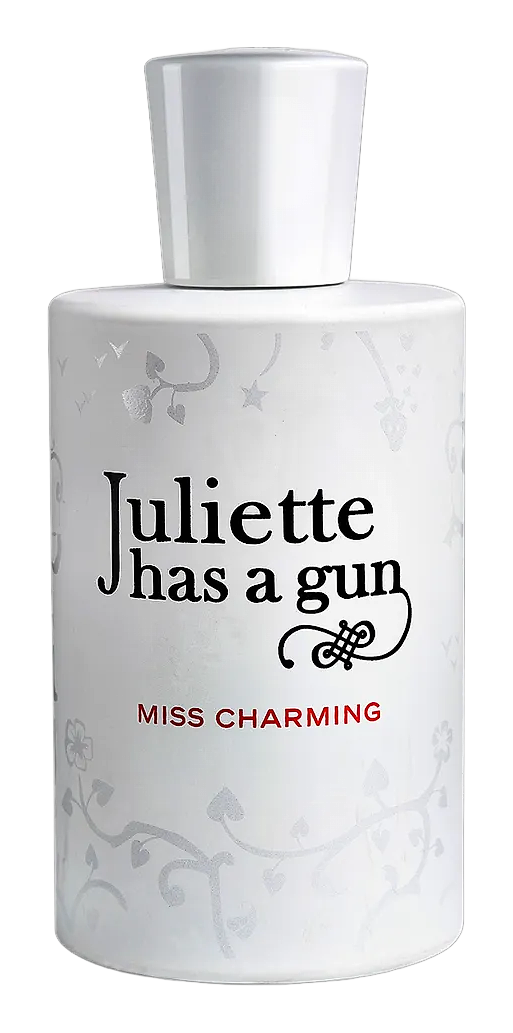
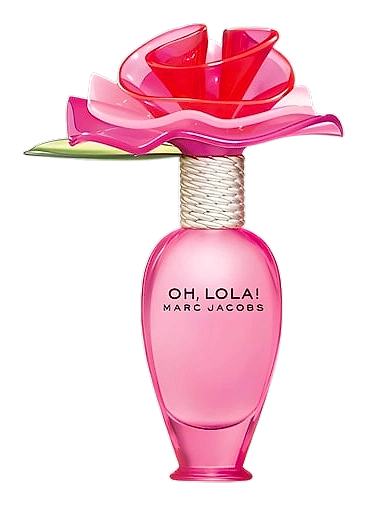
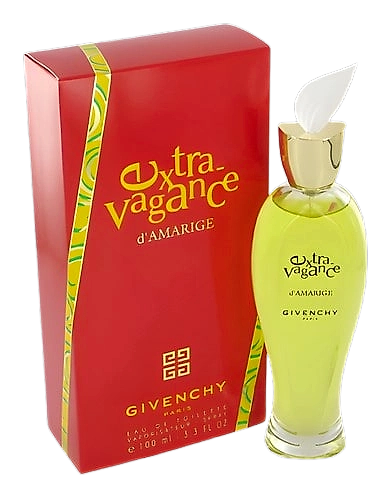
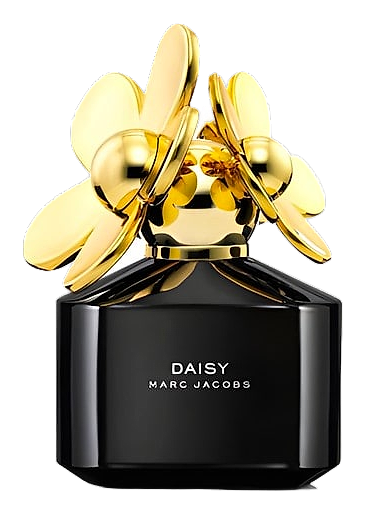
Brands
Brands known for Woodland strawberry
Good to know
Questions, answered
The essentials on Woodland strawberry in perfumery: how it smells, where it comes from, and how it behaves on skin.
What does woodland strawberry smell like in perfume?
Woodland strawberry offers a fresher, greener, more tart profile than cultivated strawberry notes, with jammy sweetness balanced by leafy, almost seed-like bitterness. It reads as wilder and less confectionery than synthetic strawberry accords.
Is woodland strawberry natural or synthetic in perfumery?
Almost always synthetic. The natural fruit degrades too quickly and yields too little usable material, so perfumers rely on aroma chemicals like furaneol and ethyl methylphenylglycidate to recreate the scent.
Where does woodland strawberry grow naturally?
Fragaria vesca is native across temperate Eurasia and parts of North America, favoring woodland edges, meadows, and mountainous regions. It thrives from lowlands up to alpine elevations.
How is strawberry fragrance extracted from the fruit?
When natural extraction occurs, producers use solvent extraction to create a concrete, then an absolute. Some modern processors freeze-dry the berries before CO2 extraction to preserve delicate top notes.
What is the difference between woodland and regular strawberry?
Woodland strawberries are smaller, more aromatic, and continuously fruiting through the season. Their flavor and scent are more intense, complex, and less sugary than modern cultivated varieties.
When was strawberry first used in perfumery?
Strawberry emerged as a commercial fragrance ingredient in the 20th century, when improved extraction techniques made capturing volatile fruit notes more practical for perfumers.
What aroma chemicals smell like strawberry?
Furaneol provides the caramelized, jam-like warmth, while ethyl methylphenylglycidate delivers the candy-sweet facet. Together they form the backbone of most synthetic strawberry accords.
Are woodland strawberries still cultivated today?
Yes, Fragaria vesca is grown in herb gardens and specialty farms across Europe, particularly in alpine regions, though it has been largely replaced commercially by larger hybrid varieties.