The Story
Why it exists.
The beginning
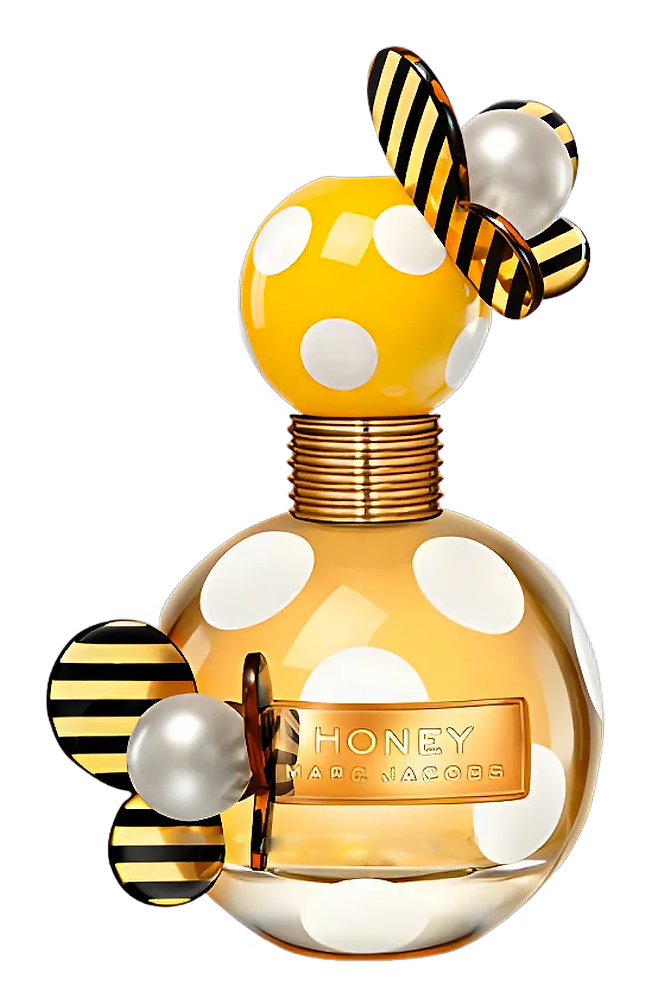
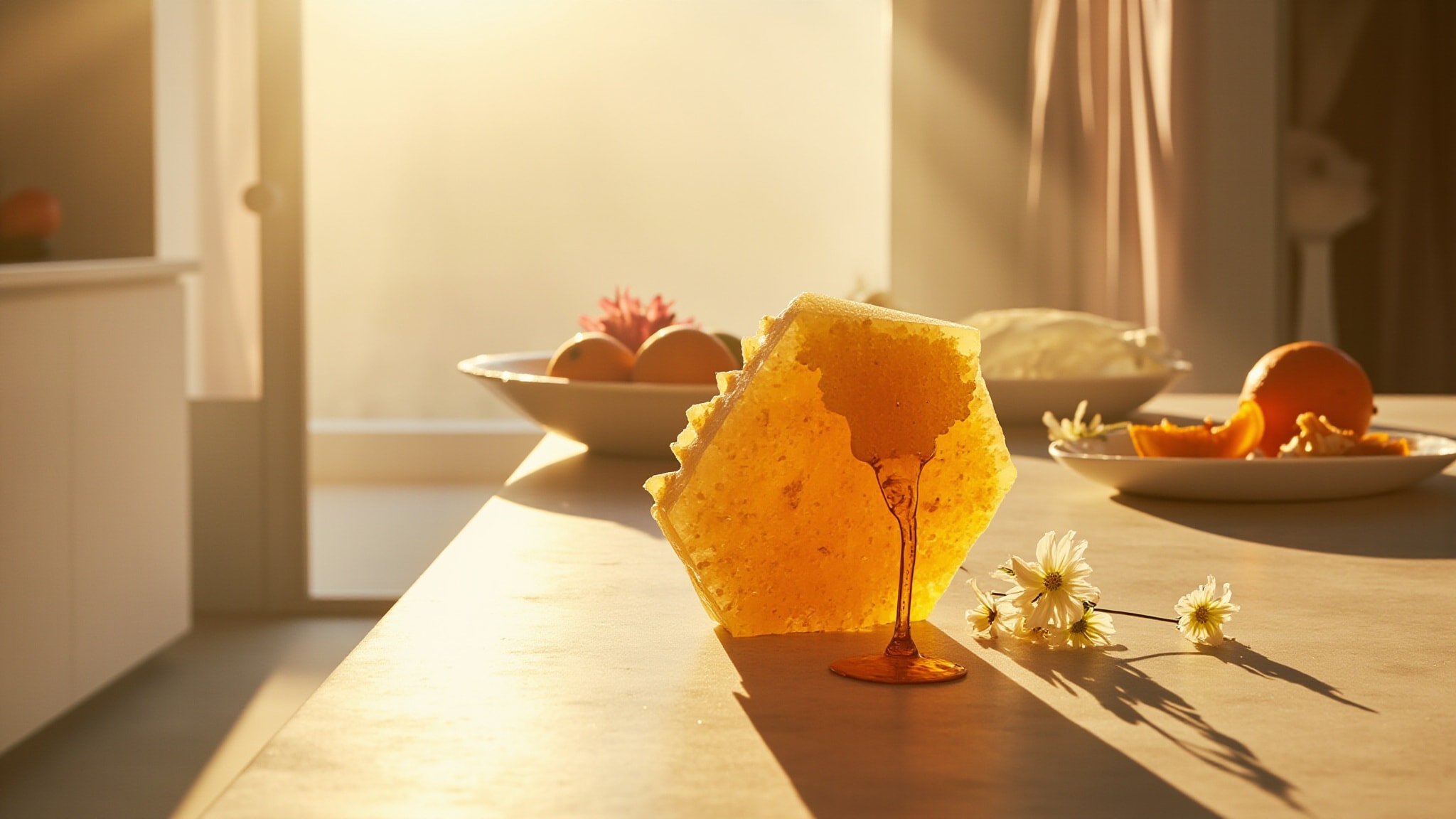
Honey by Marc Jacobs arrived in 2013, composed by Annie Buzantian and Ann Gottlieb. The name said everything: this was a fragrance built around a single, unapologetic idea. Not a complicated concept, not a mood board. Just warmth. Golden, slow, edible warmth, the kind that smells like late afternoon sun through a window, like something worth reaching for. The perfumers had worked with the brand before. They understood the house's downtown New York sensibility, its refusal to mistake formality for confidence. Honey was the result: sweet without apology, warm without weight, and unmistakably Marc Jacobs.
What makes Honey interesting is the way the fruity and floral layers serve the honey rather than compete with it. Punch and pear give the opening a tropical brightness, almost effervescent, before the honeysuckle and orange blossom arrive to soften the edges. Peach adds a skin-like warmth that bridges the top and heart. But the base is where the architecture pays off: honey, vanilla, and woody notes don't just support the composition, they transform it. The honey note here isn't literal beeswax, it's the impression of honey, the golden amber quality that makes the drydown smell like something you could eat. The vanilla keeps it from cloying. The woody notes keep it from floating away.
The evolution
The opening hits like fruit salad left in the sun, pear and mandarin bright and almost fizzy, with punch lending a tropical edge that wakes you up. Within twenty minutes, the honeysuckle arrives. That's the moment. It doesn't crash the party, it slides in sideways, sweet and slightly green, and suddenly the whole composition tilts toward syrup. The peach holds it together, gives it body. By the second hour, the honey is undeniable. Not a whisper. Not an accent. The main event. The drydown is warm, resinous, and lingers close to the skin, the kind of sweetness that stays intimate rather than announcing itself. On fabric, it lasts into the next day. On skin, expect six to eight hours with moderate sillage, present but not overwhelming.
Cultural impact
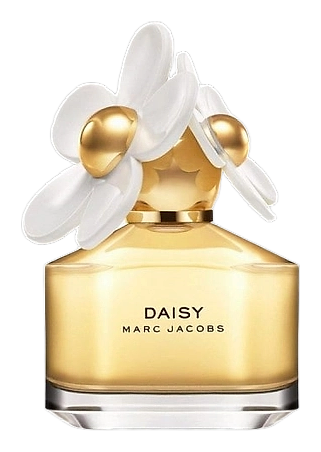
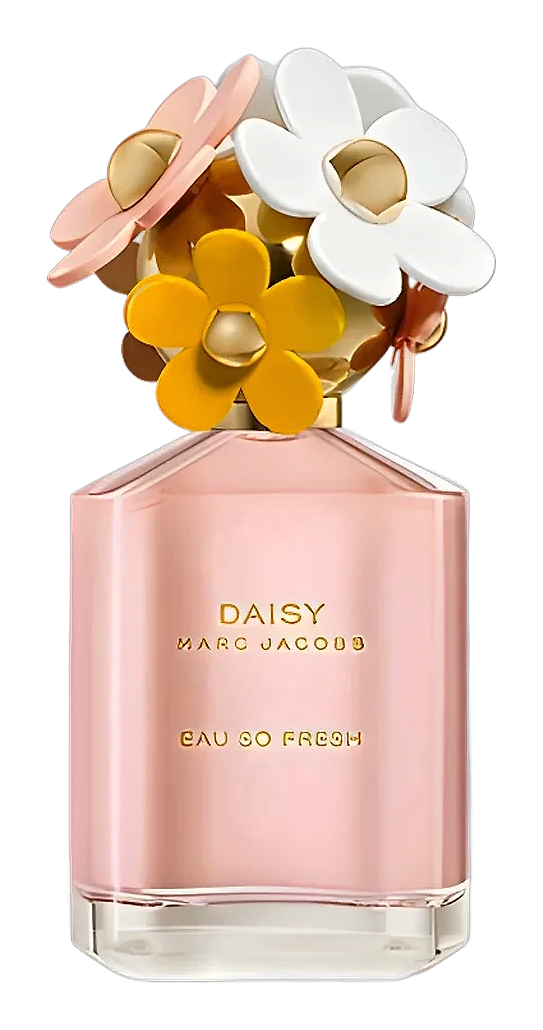
Honey by Marc Jacobs launched in 2013 during a period when sweet, edible fragrances were experiencing a significant resurgence in the mainstream market. The fragrance joined an established portfolio alongside the iconic Daisy line and the more recent Decadence, contributing to Marc Jacobs' reputation for creating approachable yet distinctive scents. Honey stood out for its unapologetically sweet character at a time when many fragrance houses were moving toward darker, more complex offerings. The fragrance's warm, honeyed personality resonated particularly with younger consumers entering the fragrance world, offering an accessible entry point into the Marc Jacobs scent universe.