
The Story
Why it exists.
The beginning
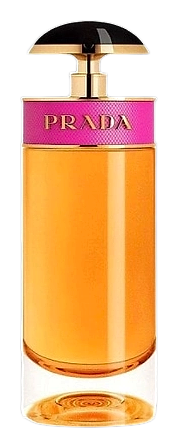
The story behind Prada Candy involves a curious paradox. Perfumer Daniela Andrier is reportedly anosmic to maltol, one of the primary molecules that makes caramel smell like caramel. Yet her Crème Caramel accord became the defining element of this 2011 release. Rather than working around the limitation, she leaned into it, constructing the sweetness from a precise combination of maltol and ethyl maltol (around 0.22% total), amplified by a high dose of white musk. The result feels effortless precisely because it required so much precision.
What makes this composition interesting is the tension between the material and the effect. Maltol and ethyl maltol are synthetic molecules, they're what food chemists reach for when they want caramel without the actual sugar. But the high musk dose transforms them. Instead of smelling like a candy counter, it smells like skin that happens to be sweet. The powdery quality keeps the sweetness from cloying, while benzoin adds a warm, balsamic depth that grounds everything. It's confectionery without the guilt.
The evolution
The opening is immediate, caramel sweetness that hits before you can prepare for it. That initial wave is intensely edible and present, flooding the senses with bold presence. Then the powdery musks take over, and the sweetness softens into something dreamier, more textured. The transition isn't dramatic, it's a slow fade from candy shop to cashmere. The benzoin and vanilla settle close to the skin, their warmth weaving through the lingering sweetness. The sillage becomes intimate, almost private. The drydown remains warm, powdery, and close, a soft embrace that lingers on the skin for hours, intimate and inviting throughout the wear.
Cultural impact
Prada Candy arrived in 2011, a fragrance that embraced sweetness while maintaining the house's refined sensibility. Its caramel and powdery musk composition offered warmth and texture, creating an experience that felt both indulgent and sophisticated. The fragrance balanced its edible qualities with an elegant structure, avoiding the cloying heaviness that often accompanies sweet scents. This careful construction gave Candy its distinctive character, a sweetness that felt considered rather than excessive.