The Story
Why it exists.
The beginning
Alberto Morillas composed Daisy in 2007 as an expression of modern femininity through layered simplicity: fruity strawberry against green violet leaf with grapefruit's sparkle providing contrast. The perfumer's intent was to capture something luminous yet contradictory, using violet leaf as the unexpected anchor that keeps the fruit from becoming overly sweet.
The note philosophy treats floral heart notes such as gardenia and jasmine as an elevated garden encounter rather than mere sweetness, with violet leaf bridging the fresh opening and warmer finish to maintain coherence throughout the wearing experience. This careful balance is what makes the fragrance feel effortless yet intentional.
The evolution
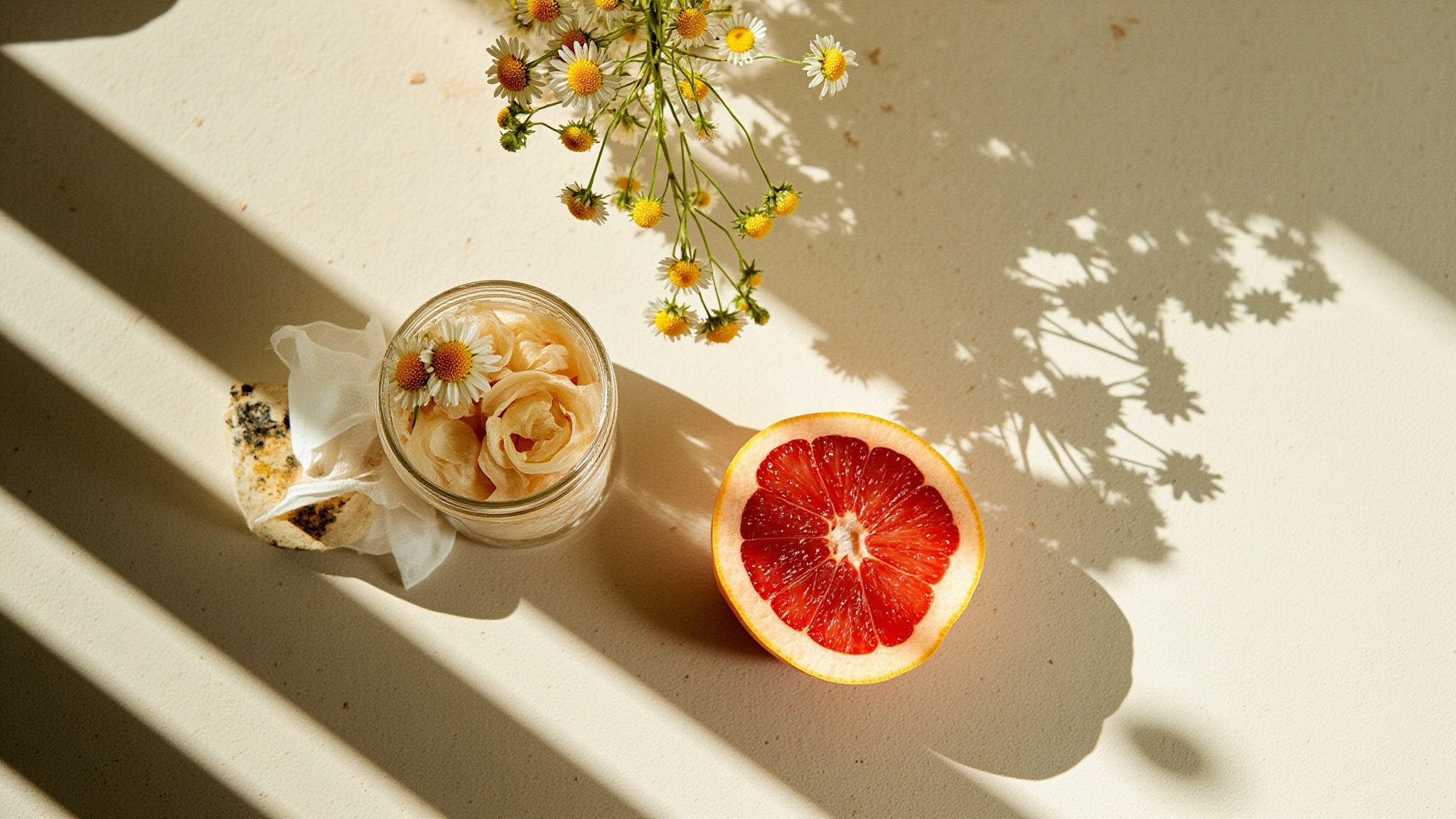
As the fragrance evolves, violet leaf opens with crisp green intensity while blood grapefruit and strawberry create a sparkling, approachable brightness. Gardenia and jasmine then emerge as the heart develops, transforming the initial sparkle into garden-picked richness before musk, woody notes, and vanilla settle into a warm, Intimate drydown. The structure moves from playful immediacy through floral elegance to a soft, reassuring base that feels personal rather than performative.
Cultural impact
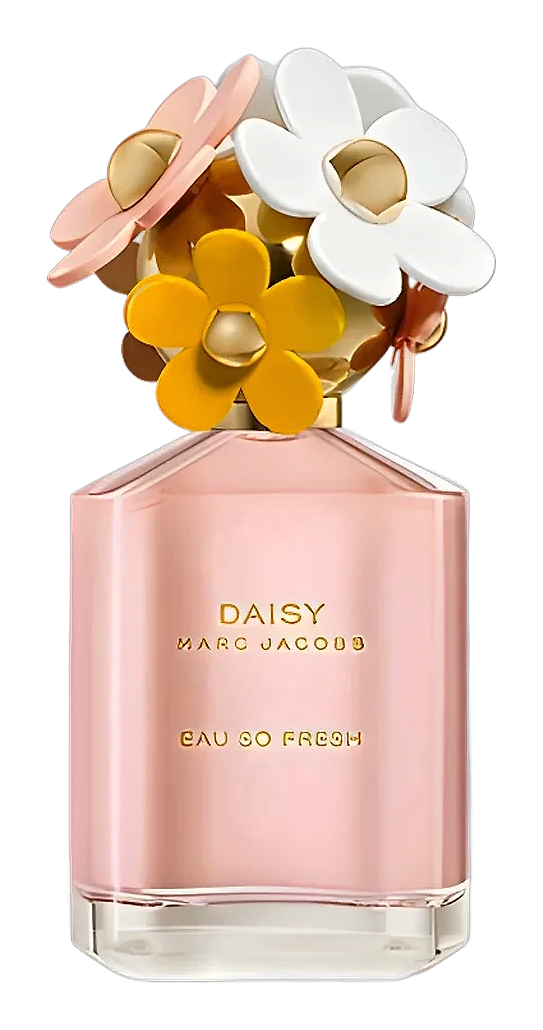
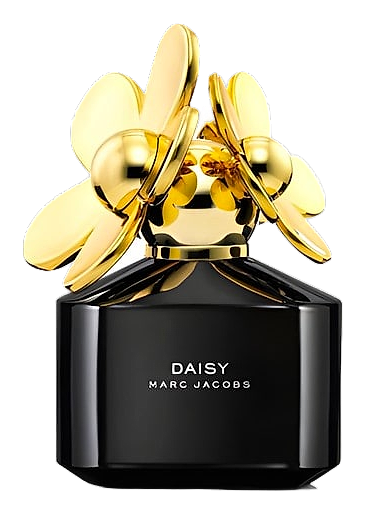
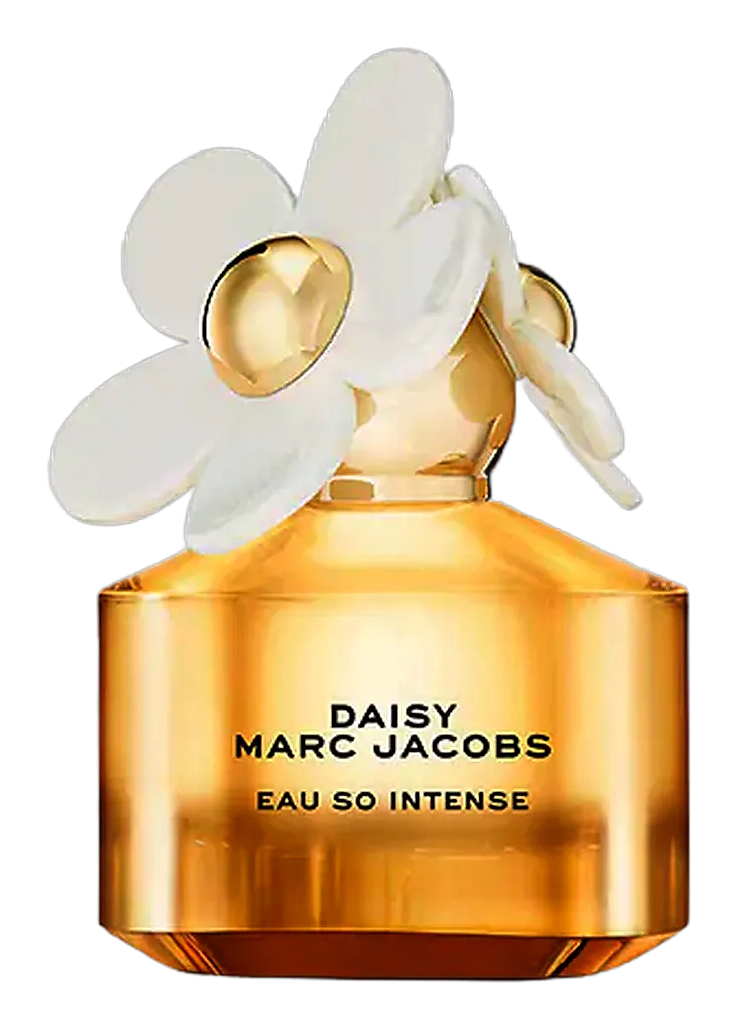
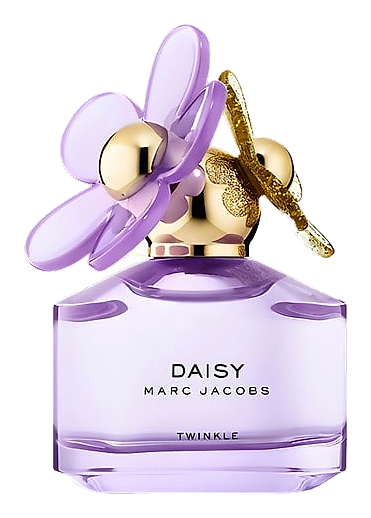
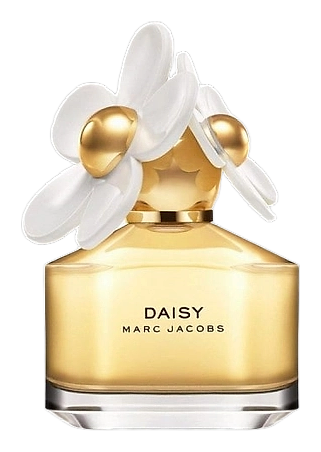
Daisy won two FiFi Awards in 2008, Fragrance of the Year Women's Luxe and Best Packaging Women's Prestige, and was inducted into the Fragrance Hall of Fame in 2024. The oversized daisy cap on the bottle created a silhouette that remains distinctive in the world of perfumery. The fragrance has found broad appeal across different audiences and settings, a quality that has contributed to its relevance nearly two decades after launch. Its design and character demonstrate an approach that bridges accessible and artistic, positioned with a confidence that has resonated with many.