Strawberry
Strawberry brings a bright, jammy sweetness to perfumery that feels instantly recognizable and universally beloved. Behind its familiar charm lies a surprisingly complex chemistry and a history of creative innovation that shaped modern fruity accords.
Character
How it smells
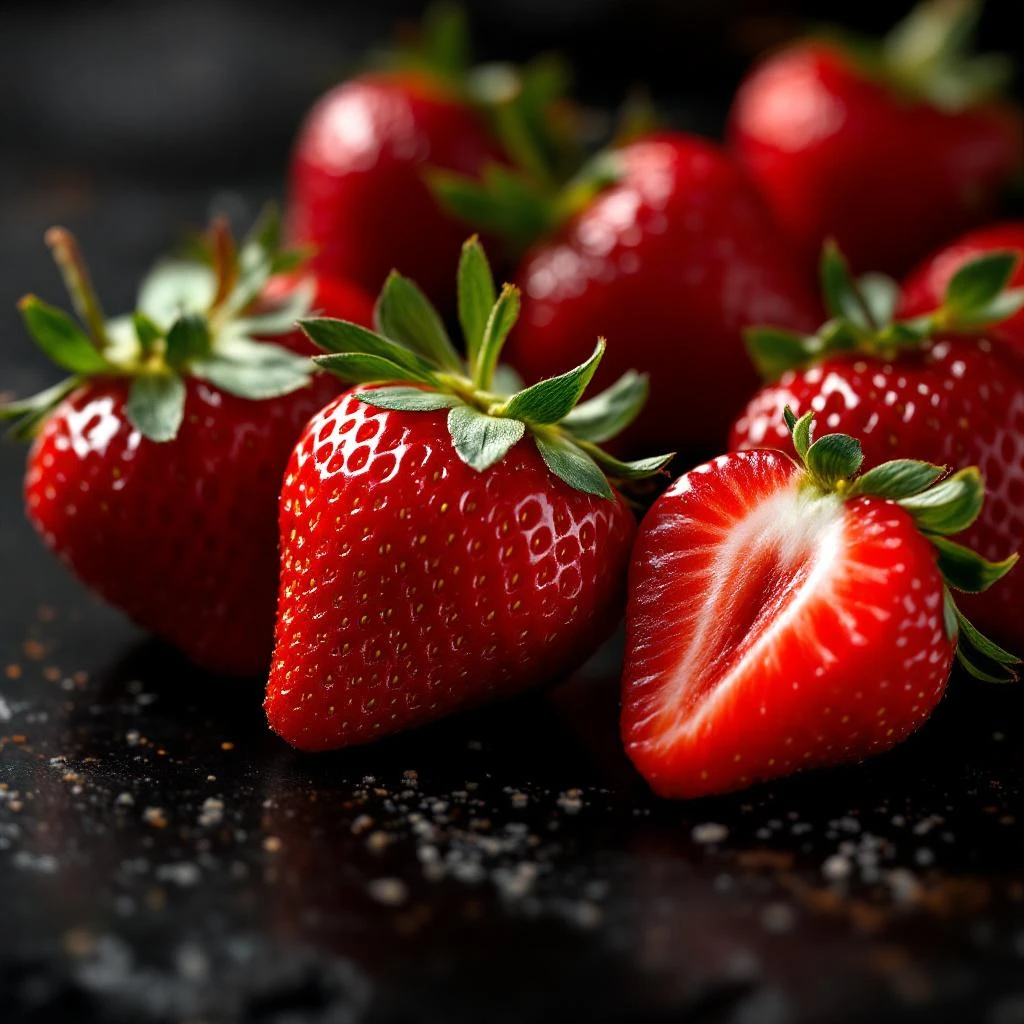
The bright, jammy sweetness that defined fruity perfumery.
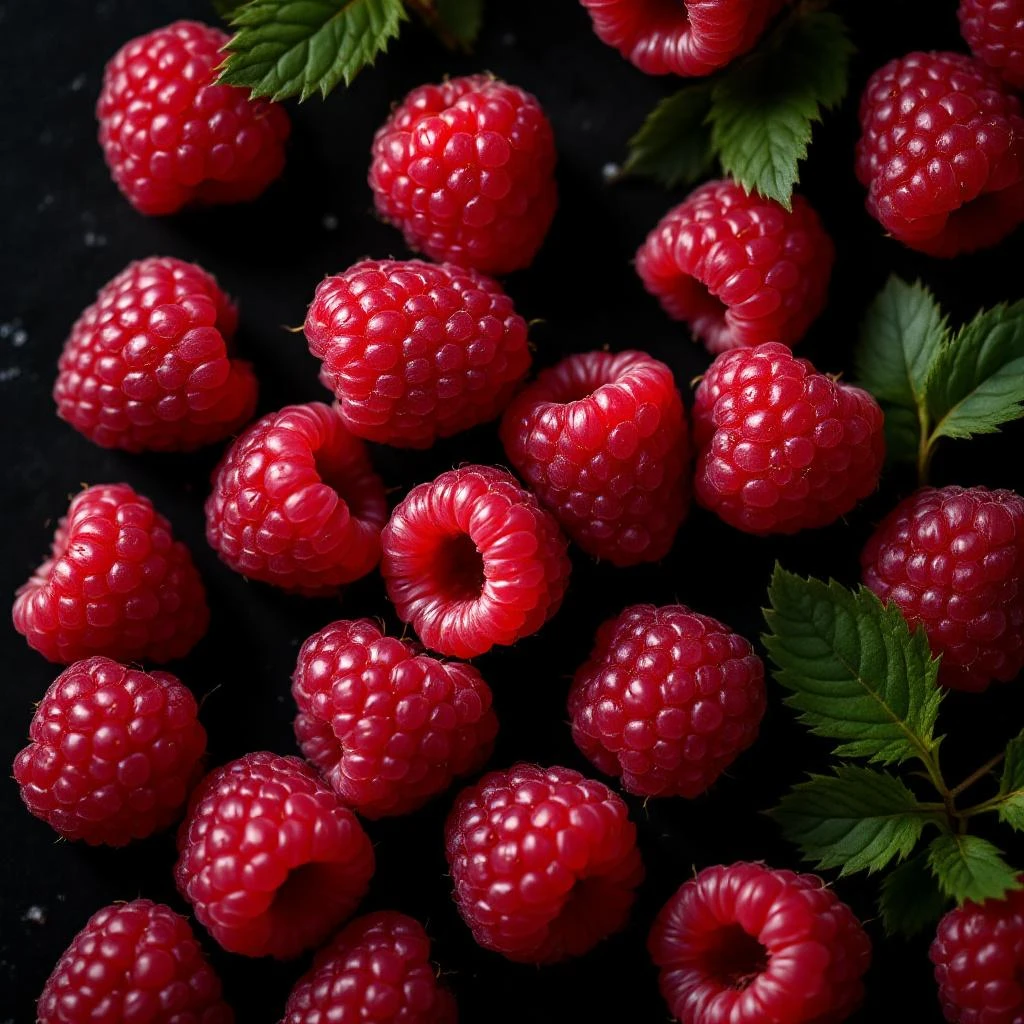
No natural strawberry absolute appears in most perfumes labeled as strawberry scents — most are built from lab-created lactones that faithfully recreate the fruit's aroma.







Origin
United States
Strawberry took its time joining perfumery's vocabulary. While ancient cultures used pomades and simple tinctures made from fragrant botanicals, strawberry's delicate chemistry resisted the extraction methods available for centuries. Wild strawberry varieties native to North America were known for their intense aroma, but capturing it reliably remained difficult.
The ingredient's breakthrough came with the synthetic fragrance revolution of the late 19th century, when chemists began isolating the molecular structures responsible for fruity scents. By the 20th century, strawberry began appearing in mainstream perfumes, bringing a fresh and playful quality that resonated with changing tastes. The real transformation arrived with gamma-decalactone and related lactones, which gave perfumers precise control over strawberry's character for the first time.
Today, strawberry is a staple of fruity and gourmand perfumery, valued for its warmth, accessibility, and its ability to balance sharper notes in complex compositions.
Wears it best
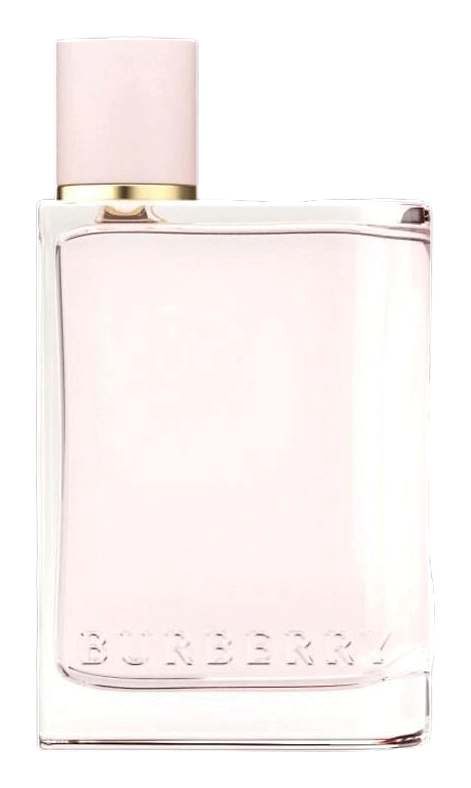
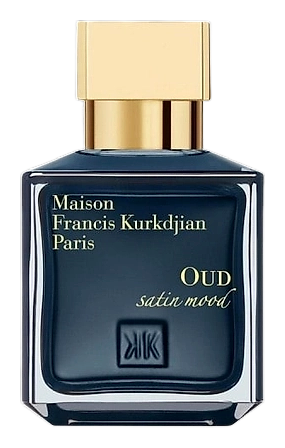
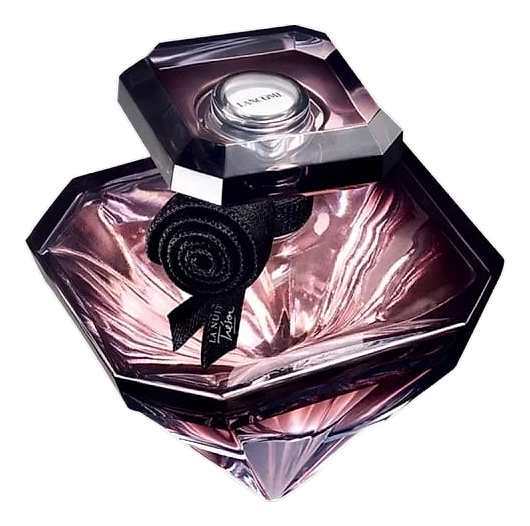
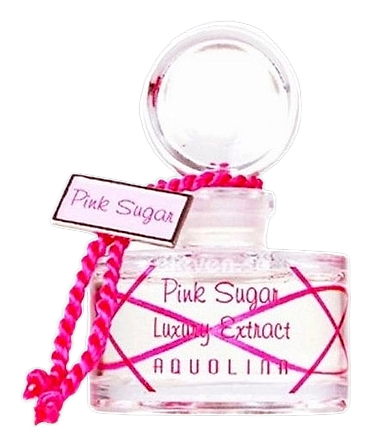
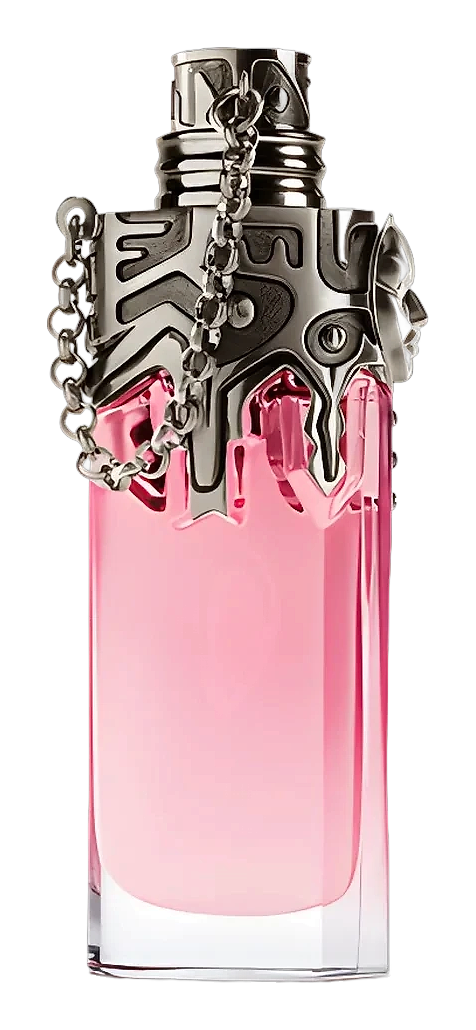
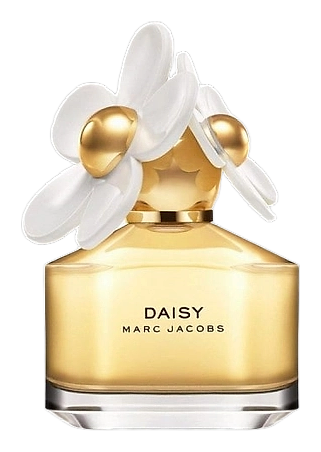
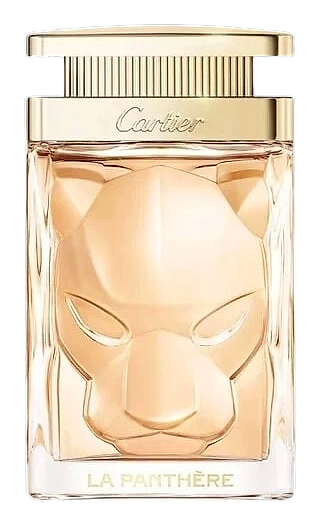
Fragrances featuring Strawberry



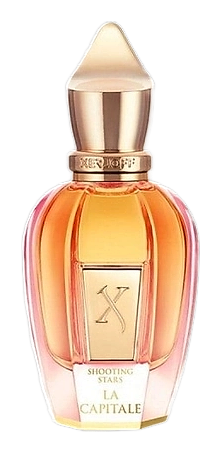
Brands
Brands known for Strawberry
Good to know
Questions, answered
The essentials on Strawberry in perfumery: how it smells, where it comes from, and how it behaves on skin.
Is strawberry a natural or synthetic ingredient in perfumery?
Most strawberry notes in commercial fragrances are synthetic. Natural strawberry absolute exists but costs significantly more to produce, making synthetic lactones the industry standard for reliable, cost-effective strawberry character.
What does strawberry smell like in a fragrance?
Strawberry reads as bright, jammy, and slightly acidic with a sweet, almost creamy depth. It lacks the green, vegetal edge of some fruits and instead leans warm and inviting, especially in the heart of a composition.
Which fragrance families use strawberry most often?
Fruity, gourmand, and floral fruity compositions most commonly feature strawberry. It also appears in fresh and aquatic fragrances as a playful counterpoint to citrus or marine elements.
Does strawberry pair well with other ingredients?
Strawberry complements vanilla, jasmine, rose, and white musk by adding brightness and preventing these ingredients from becoming too heavy or cloying.
How does strawberry differ from similar fruity notes like raspberry or peach?
Raspberry carries a sharper, more acidic quality while peach is velvety and buttery. Strawberry sits between them with a jammy, rounded sweetness that reads as distinctly warm and familiar.
At what stage of fragrance development does strawberry typically appear?
Strawberry functions primarily as a heart note, bridging top note brightness with base note depth. Its sillage is moderate, and it tends to evolve over the first hour of wear.
Can natural strawberry absolute be used in sustainable perfumery?
Natural extraction yields very little material relative to fruit volume, making it resource-intensive. High-quality synthetic lactones replicate the effect at lower environmental cost while maintaining olfactory accuracy.
How long does strawberry last on the skin compared to other notes?
Strawberry is less tenacious than woody or musky base notes, typically lasting 2 to 4 hours depending on concentration and skin chemistry. Blending it with fixatives extends its presence.