Character
The Story of White Woods
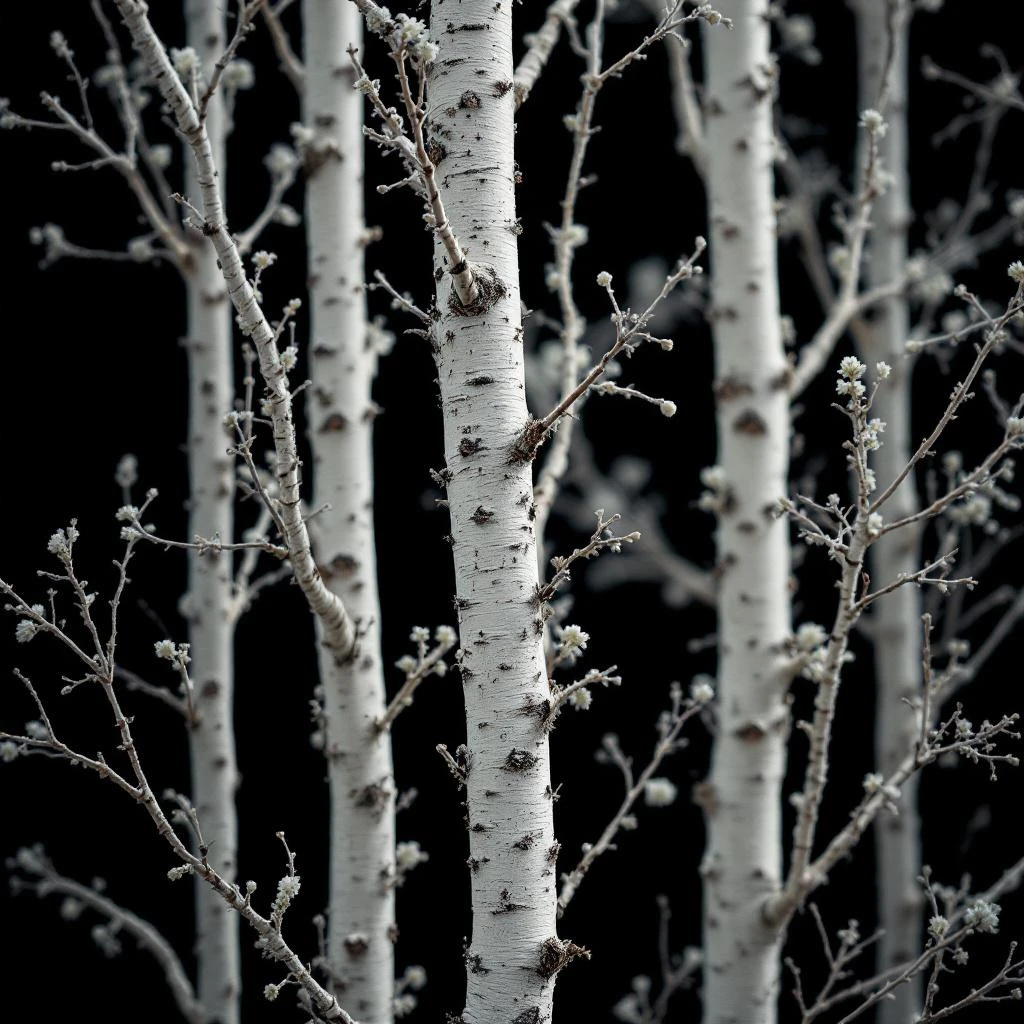
A soft, airy wood accord that brings modern elegance to fragrance bases. White woods combine pale birch, creamy sandalwood, and synthetic molecules like Iso E Super to create a clean, warm foundation that feels both natural and refined. Unlike heavy oud or dense cedar, these notes float lightly, adding structure without weight.
Heritage
The concept of white woods as a distinct perfumery category emerged in the late twentieth century, coinciding with a broader shift toward cleaner, more minimal fragrance aesthetics. Traditional perfumery had long relied on heavy, resinous woods like sandalwood, cedar, and patchouli to anchor compositions, but the changing tastes of the 1990s and 2000s demanded something lighter. Consumers wanted the warmth and sophistication of wood without the density and formality associated with traditional woody fragrances.
The breakthrough came with the widespread adoption of Iso E Super, developed by IFF in the 1970s but not fully embraced until decades later. Perfumers discovered that this synthetic molecule could create the impression of wood without the weight, a transparent note that seemed to expand and fill space rather than sink to the bottom of a composition. Geza Schoen's Molecule 01, launched in 2006, pushed this concept to its extreme: the fragrance contained nothing but Iso E Super, and it became a cult hit, particularly in European markets.
Since then, white woods have become a defining element of contemporary perfumery, appearing in some of the most successful fragrances of the past two decades. Tom Ford's White Suede (2009) showcased the note's ability to blend with leather and musk for a refined, sensual effect. Byredo's Blanche (2009) used white woods to create a minimalist, clean aesthetic that became the template for dozens of imitators. Today, white woods appear in everything from mass-market body sprays to niche artisanal creations, a testament to their versatility and enduring appeal.
At a Glance
28
Feature this note
Woody
Olfactive group
Reconstructed
Lab-crafted
France
Primary source region
Ingredient Details
Reconstructed accord
Wood heartwood, bark, and synthetic molecules
Did You Know
"White woods accords often rely heavily on Iso E Super, a synthetic molecule that some people cannot smell at all, while others perceive it as a skin-hugging warm wood that seems to radiate for hours."
Pyramid Presence