The Story
Why it exists.
The beginning
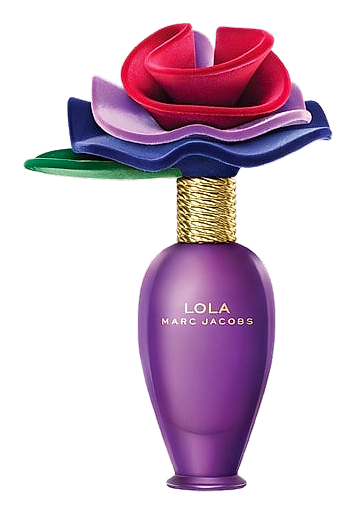
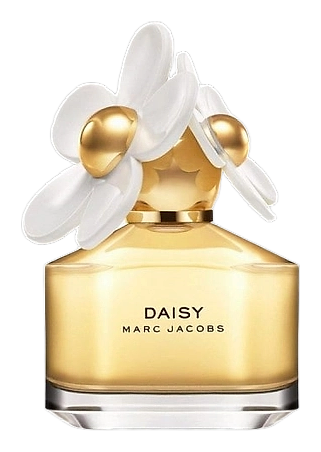
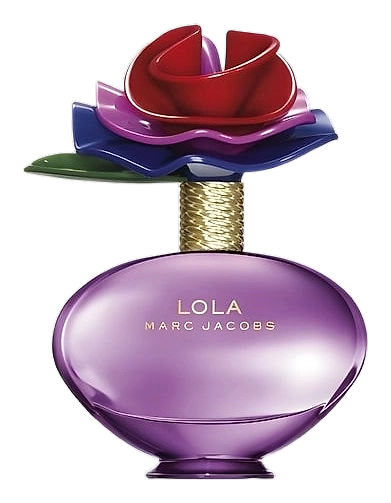
Lola arrived in 2009, part of Marc Jacobs' growing fragrance portfolio that already included the runaway success of Daisy. Where Daisy had captured the spirit of youthful American optimism with its daisy-capped bottle and light, cheerful character, Lola took a different approach. The perfumers, Calice Becker and Yann Vasnier, were tasked with creating something with its own distinct character. The goal was to translate that energy into scent, someone who chooses joy without apology, who carries floral sweetness like a signature rather than a compromise. The resulting fragrance offers a richer, more complex experience that stands apart from its predecessor while maintaining the brand's playful spirit.
What makes the Lola composition work is its refusal to separate the floral from the sweet. In most fragrances, those two qualities exist in tension, florals bring elegance, sweetness brings vulnerability. Here, they're in agreement. The pear and grapefruit in the top notes don't fight the rose and peony; they amplify them, giving the florals a fruit-forward brightness that keeps everything feeling alive rather than static. The pink pepper is the key to the whole operation: it's technically a spice, but in Lola it reads as sparkle, not heat. It gives the sweetness somewhere to go, a little lift that prevents the composition from becoming cloying.
The evolution
The opening announces itself immediately: pink pepper and ruby red grapefruit create a citrus-spice jolt before the pear smooths everything out. What follows is the heart phase, where rose and peony take over and the fragrance shifts from bright to lush. The florals are supported by geranium's green, slightly bitter undertone that keeps the sweetness honest. Then the base arrives: vanilla and tonka bean, with musk underneath to keep the whole thing grounded. The fragrance moves through its stages with continuous evolution, each phase flowing naturally into the next. The drydown reveals that vanilla warmth, a lingering signature that stays close to the skin and evolves subtly over time.
Cultural impact
Lola won Fragrance of the Year at the Fragrance Foundation Awards in 2010, the year after its launch. The award recognized what wearers had already discovered: that sweet, floral, fruity did not have to mean simple or forgettable. The fragrance found its audience in women who wanted something with personality, who were drawn to the name and were not interested in blending in. It carved out a space in the market for those seeking a scent with character, proving that playful naming and rich scent design could go hand in hand.