
The Story
Why it exists.
The beginning
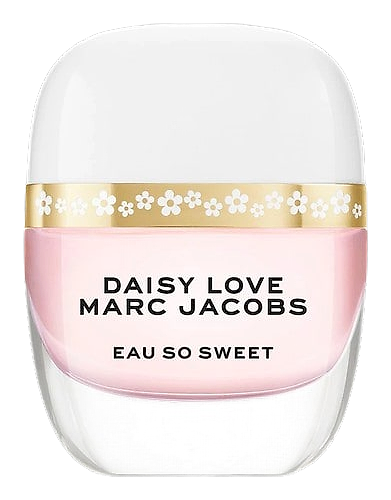
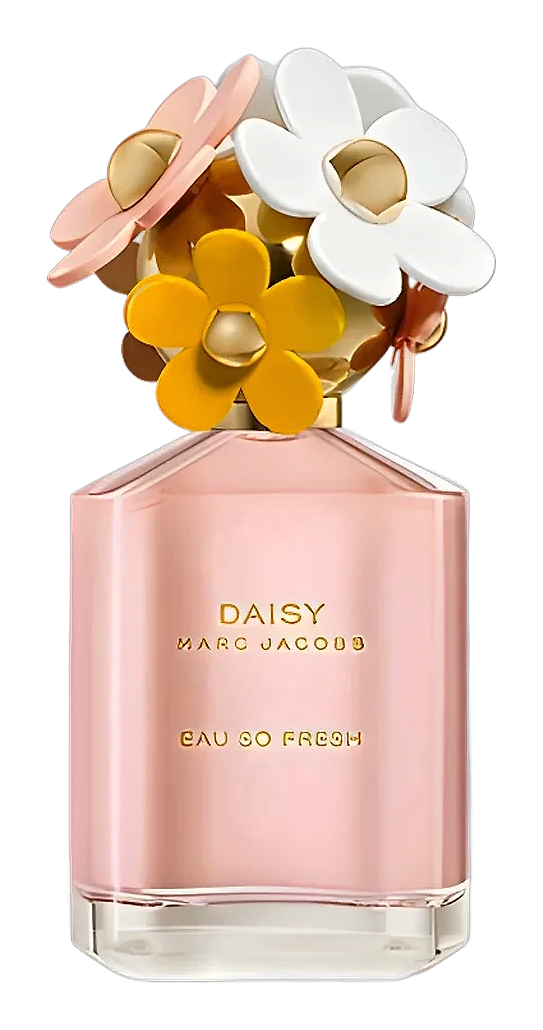
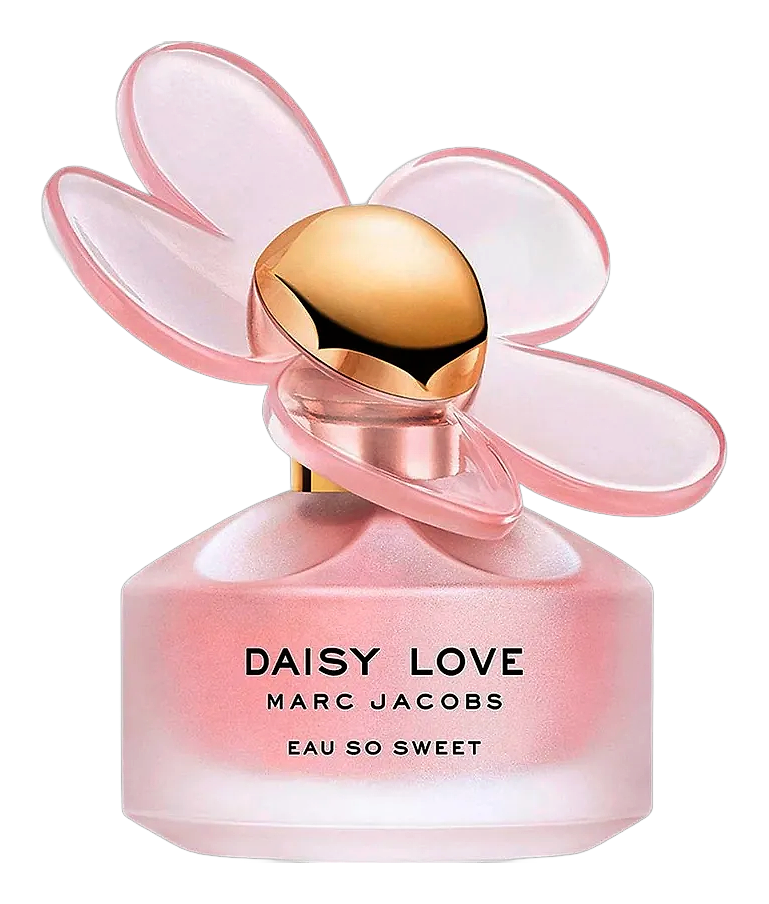
Daisy Love Eau So Sweet arrived in 2019 as a flanker to the original Daisy Love, extending a line that had already become one of Marc Jacobs' most recognizable fragrance chapters. Alberto Morillas, the nose behind the original Daisy Love, returned to the Daisy family with a specific intent: to translate the addictive sweetness of the first fragrance into something lighter, airier, and more playful. The brief wasn't about restraint. It was about brightness. The challenge was capturing sweetness without tipping into heaviness, creating a sheer floral gourmand that felt spontaneous rather than calculated. Morillas reached for crystallized cloudberry and white raspberry to build the opening, ingredients that carry sweetness on their surface without any syrupy depth underneath. The heart of daisy tree petals and jasmine milk kept the floral element soft and milky, anchoring the sweetness in something that felt organic rather than confectionary.
The combination of jasmine milk and daisy tree petals is worth pausing on. Jasmine milk isn't a standard perfumery material, it suggests a lactonic interpretation of jasmine, the kind that brings creamy warmth rather than indolic bite. Daisy tree petals (sometimes called daisy absolute) add a green, slightly honeyed floral note that reads as fresh without being green in the way that galbanum or cut grass would. Together, they create a heart that smells like the inside of a white flower, not the flower itself. It's an impression rather than a replication. The sugar musk in the base is the real anchor.
The evolution
The opening hits immediately. White raspberry and bergamot arrive together, the bergamot providing just enough citrus crispness to keep the raspberry from flattening out in the first thirty seconds. Cloudberry adds a tartness that most people won't consciously identify but will feel as a brightness that prevents the top from being one-dimensional. This phase lasts roughly twenty to thirty minutes before the floral heart begins to assert itself. By the time you reach the heart, the raspberry has receded and the daisy tree petals take over, supported by jasmine milk. This is where the fragrance shifts from fruity to floral, and the jasmine milk gives it a creamy texture that feels like the inside of a white flower. The bergamot is completely gone by now. What remains is sweet, soft, and close to the skin. The base arrives quietly, without announcement. Sugar musk and white iris arrive together, the musk providing warmth and the iris providing powdery elegance.
Cultural impact
Daisy Love Eau So Sweet sits in a crowded space: sweet florals that appeal to younger wearers and those new to fragrance. Its parent line, Daisy, remains one of the most recognizable in accessible luxury perfumery, and this flanker extends that reach into the gourmand territory that performs particularly well in warmer months. The fragrance gets consistent mention in fragrance communities for being easy to wear, easy to find, and easy to love, which is both its strength and the source of the occasional criticism that it lacks complexity. For wearers who want something that smells good without asking anything of them, it delivers reliably.