Jasmine milk
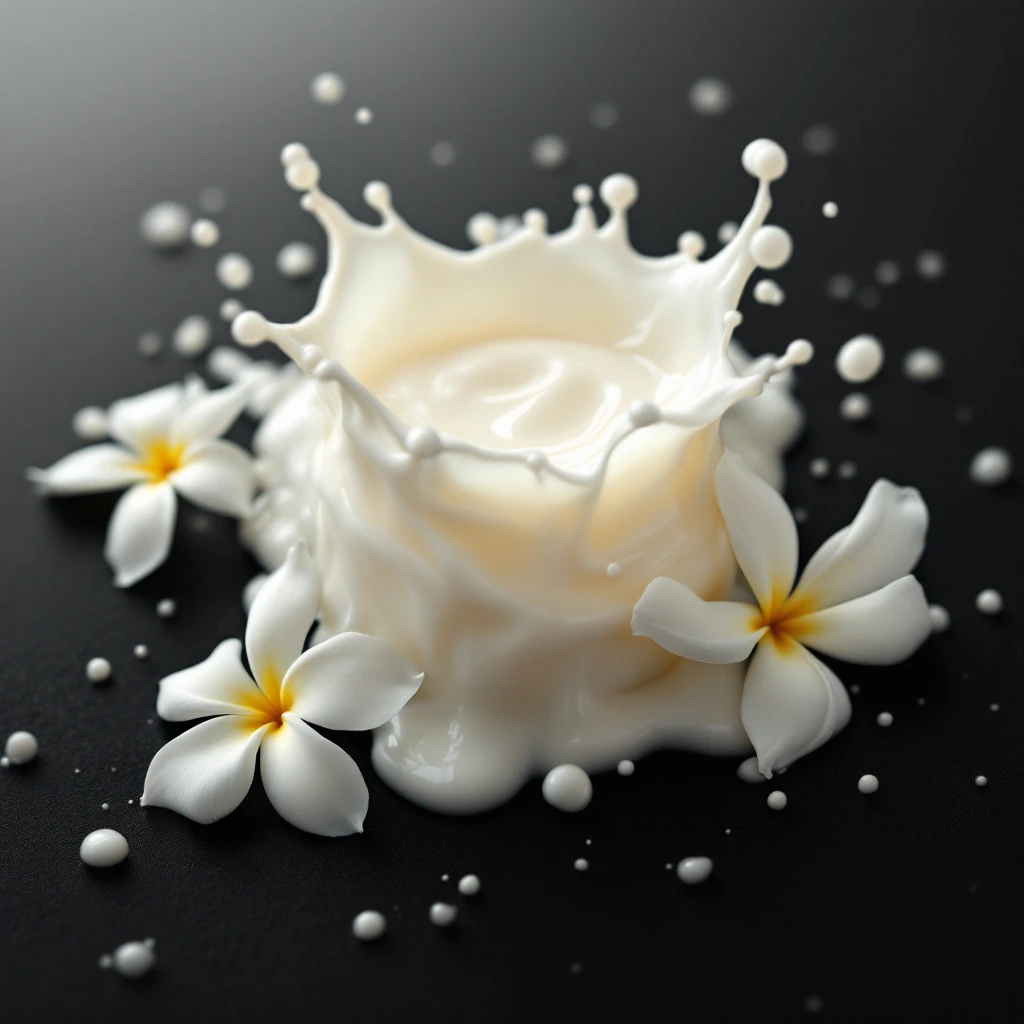
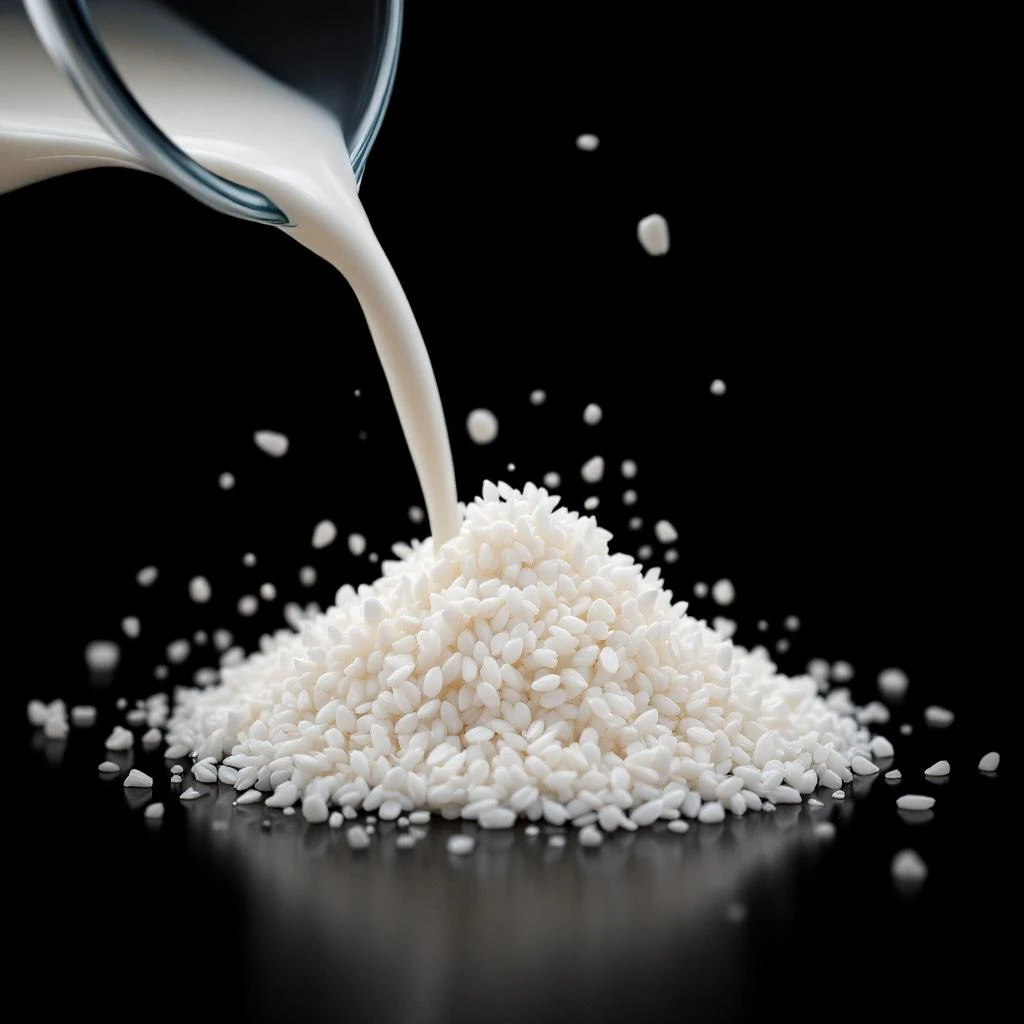
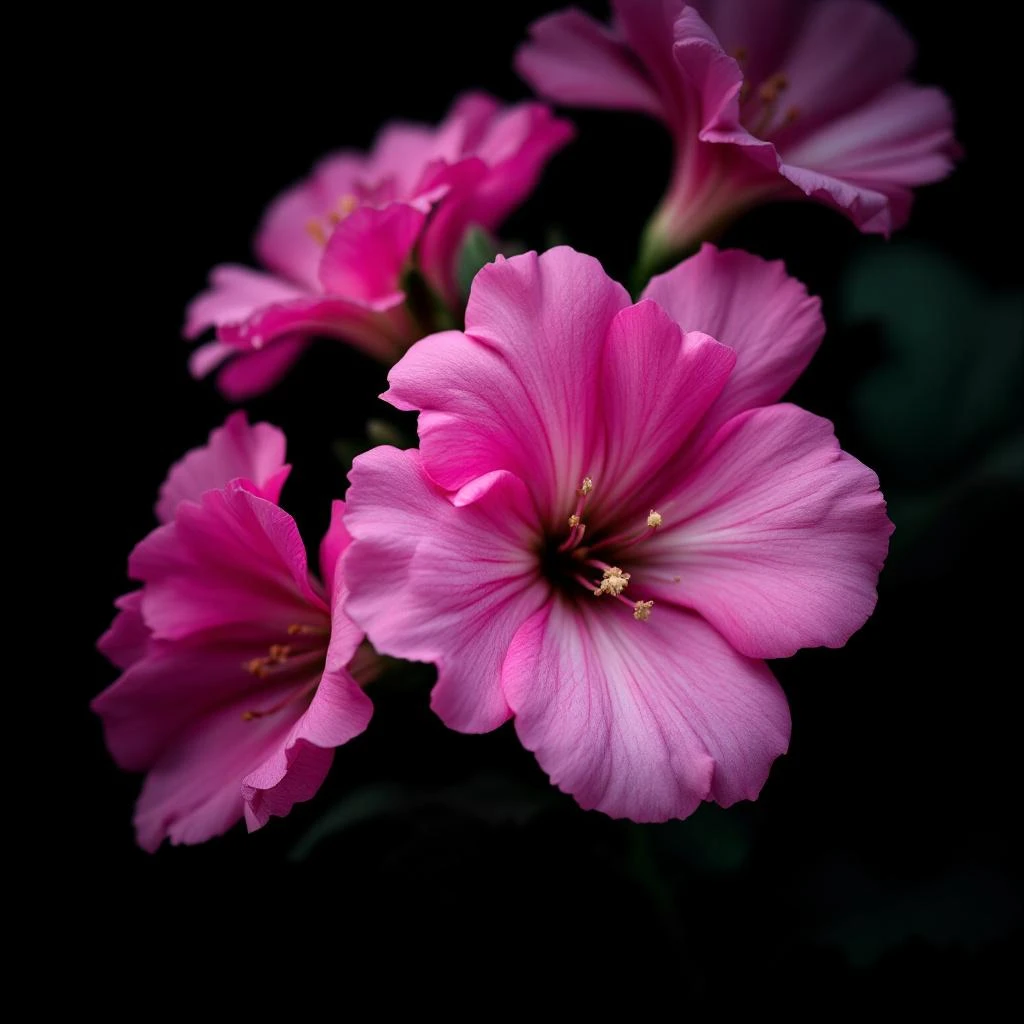
Jasmine milk blends jasmine's warm, indolic floral heart with creamy lactonic warmth. A modern perfumery creation born from combining natural jasmine absolute with synthetically crafted milk accords, this note brings comfort and sensuality to contemporary fragrances.
Character
How it smells
Where warm florals meet creamy comfort
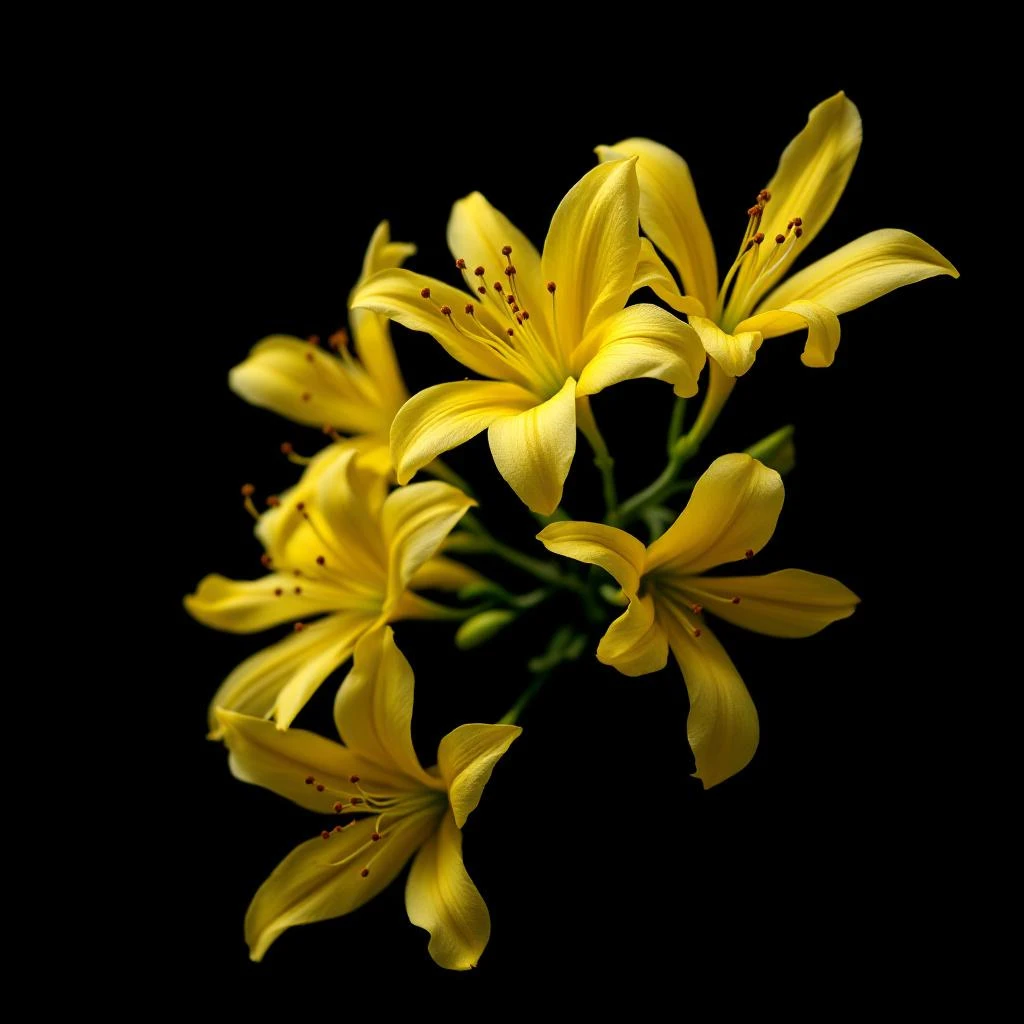
It takes 8 million jasmine flowers to produce just one kilogram of absolute, making jasmine one of the most labor-intensive naturals in perfumery.

Origin
India
Jasmine has been central to perfumery since ancient civilizations. Egyptian and Indian traditions incorporated jasmine into sacred oils and aphrodisiac blends thousands of years ago. The night-blooming jasmine flower held mystical significance, its intense fragrance released after dark making it symbolic of hidden passions and mysteries.
During the medieval period, the Moors brought jasmine to Spain in the 1600s, and the fragrance quickly spread through Italy and into France. Grasse emerged as the heart of European jasmine cultivation by the 17th century. While traditional enfleurage methods using fat to capture jasmine's scent have largely disappeared, jasmine remained a cornerstone of fine perfumery.
The concept of jasmine milk represents a modern evolution, combining jasmine's storied heritage with contemporary lactone chemistry to create a softer, more accessible interpretation that brings the night-blooming flower's magic into modern fragrance wearability.
Wears it best
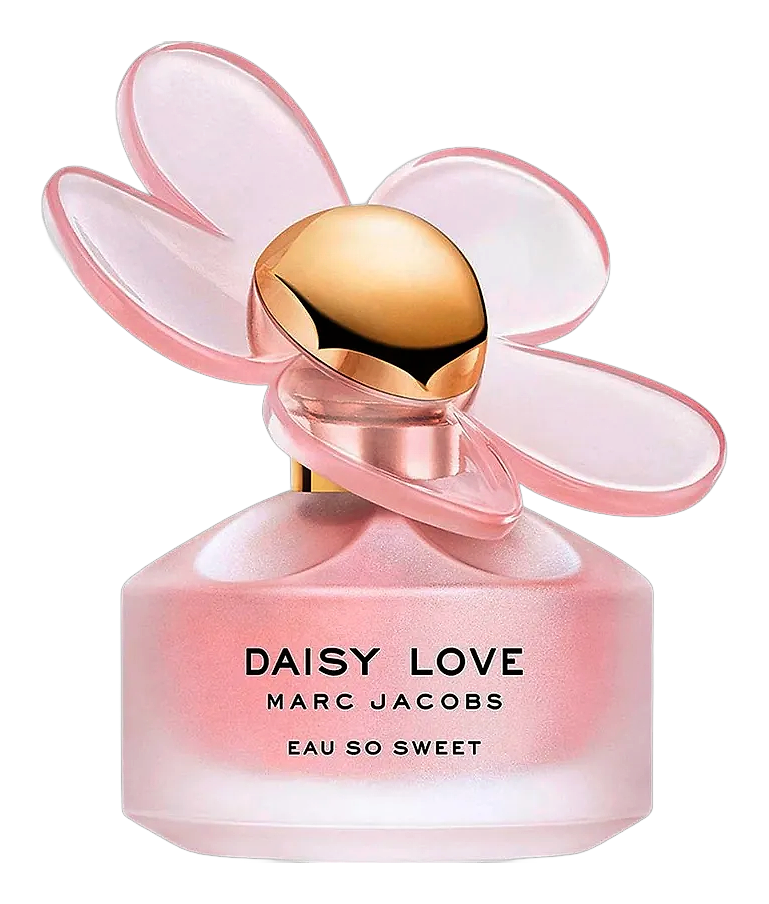
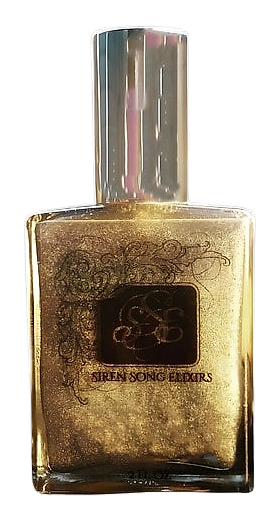
Fragrances featuring Jasmine milk
Brands
Brands known for Jasmine milk
Good to know
Questions, answered
The essentials on Jasmine milk in perfumery: how it smells, where it comes from, and how it behaves on skin.
What creates the milk note in jasmine milk fragrance?
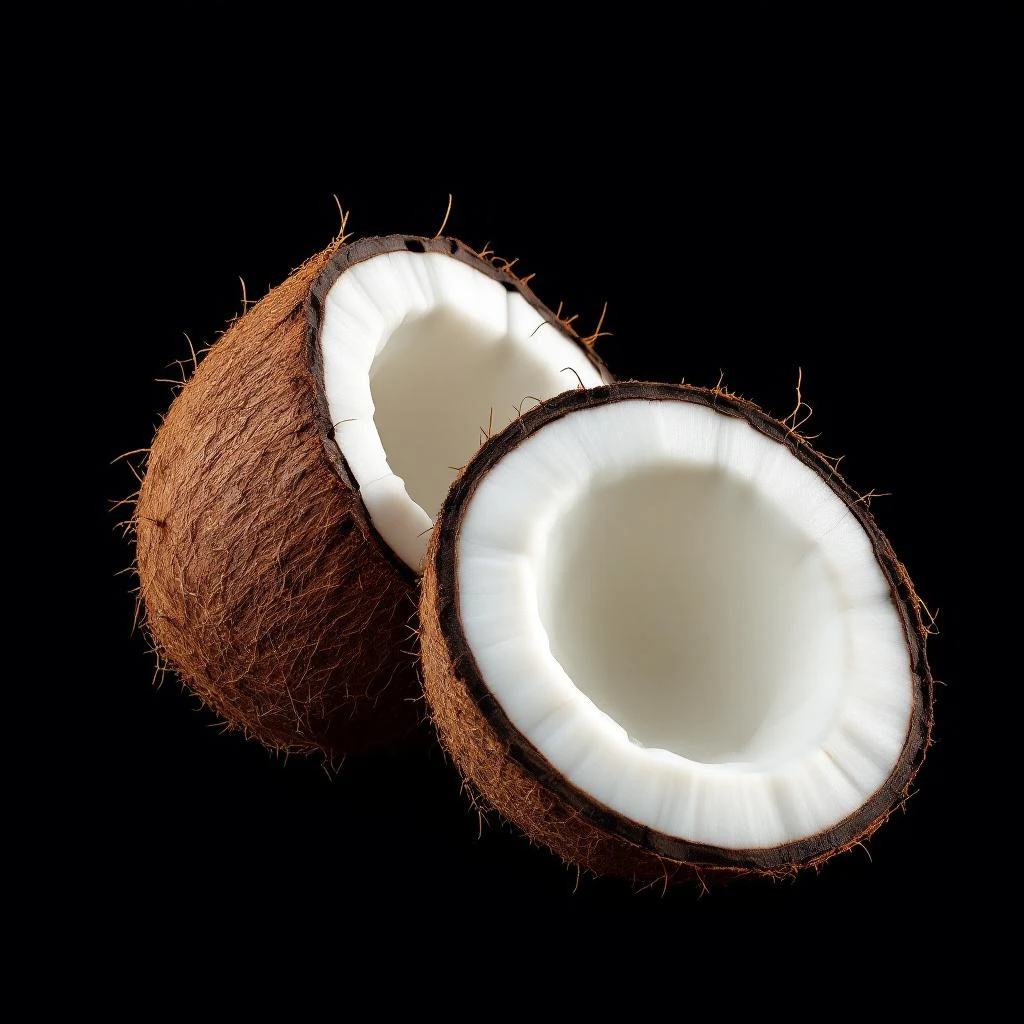
Lactone chemistry creates the milk note. Synthesized compounds like gamma-decalactone and delta-decalactone replicate the creamy, dairy character found naturally in coconut and peaches.
Is jasmine milk natural or synthetic?
Jasmine milk combines natural and synthetic elements. Jasmine absolute comes from real flowers extracted via solvents, while the milk component is purely synthesized lactones blended together.
What does jasmine milk smell like?
Jasmine milk smells creamy and warm with rich floral undertones. Jasmine's indolic, slightly animalic character softens into lactonic creaminess, creating a comforting, enveloping sensation.
Why is jasmine considered expensive in perfumery?
Jasmine requires intensive hand-harvesting. Workers pick flowers individually at dawn when aromatic compounds peak, and it takes roughly 8 million blossoms to yield one kilogram of absolute.
Which jasmine species are used for fragrance?
Jasminum officinale and Jasminum sambac dominate perfumery. Sambac offers deeper, more animalic notes while officinale provides brighter, more classic jasmine character.
How long has jasmine been used in perfumery?
Jasmine appears in perfumery records dating back thousands of years. Ancient Egyptians and Indians used it in sacred oils and perfumes, with European refinement beginning in the 1600s when the Moors introduced it to Spain.
What extraction method preserves jasmine best?
Supercritical CO2 extraction produces the cleanest jasmine absolute, avoiding solvent residues. However, hexane extraction remains more common industrially, accounting for over 98% of production worldwide.
Where is jasmine milk typically used in perfumery?
Jasmine milk appears frequently in skin fragrances and cozy oriental compositions. Perfumers use it as a heart note to add warmth and comfort without overwhelming brightness.