The Story
Why it exists.
The beginning
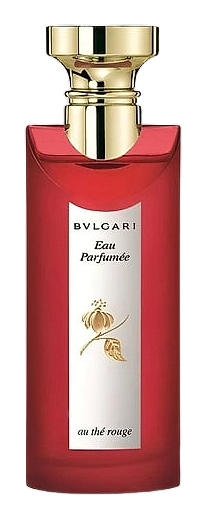
In 2006, Olivier Polge approached Bvlgari's third tea fragrance not as a continuation but a departure. Where the earlier releases traced familiar territories, green tea, black tea, Thé Rouge reached for something the collection hadn't attempted: red tea. The choice of rooibos and Yunnan wasn't accidental. One carried the warm, woody character of South African bush; the other brought the darker, more intense aromatics of Chinese cultivation. Polge wanted a tea that felt neither precious nor austere. Something with body. Something that could anchor the composition through its drydown rather than vanish within the first hour. The brief was simple on paper: make a tea that lingers.
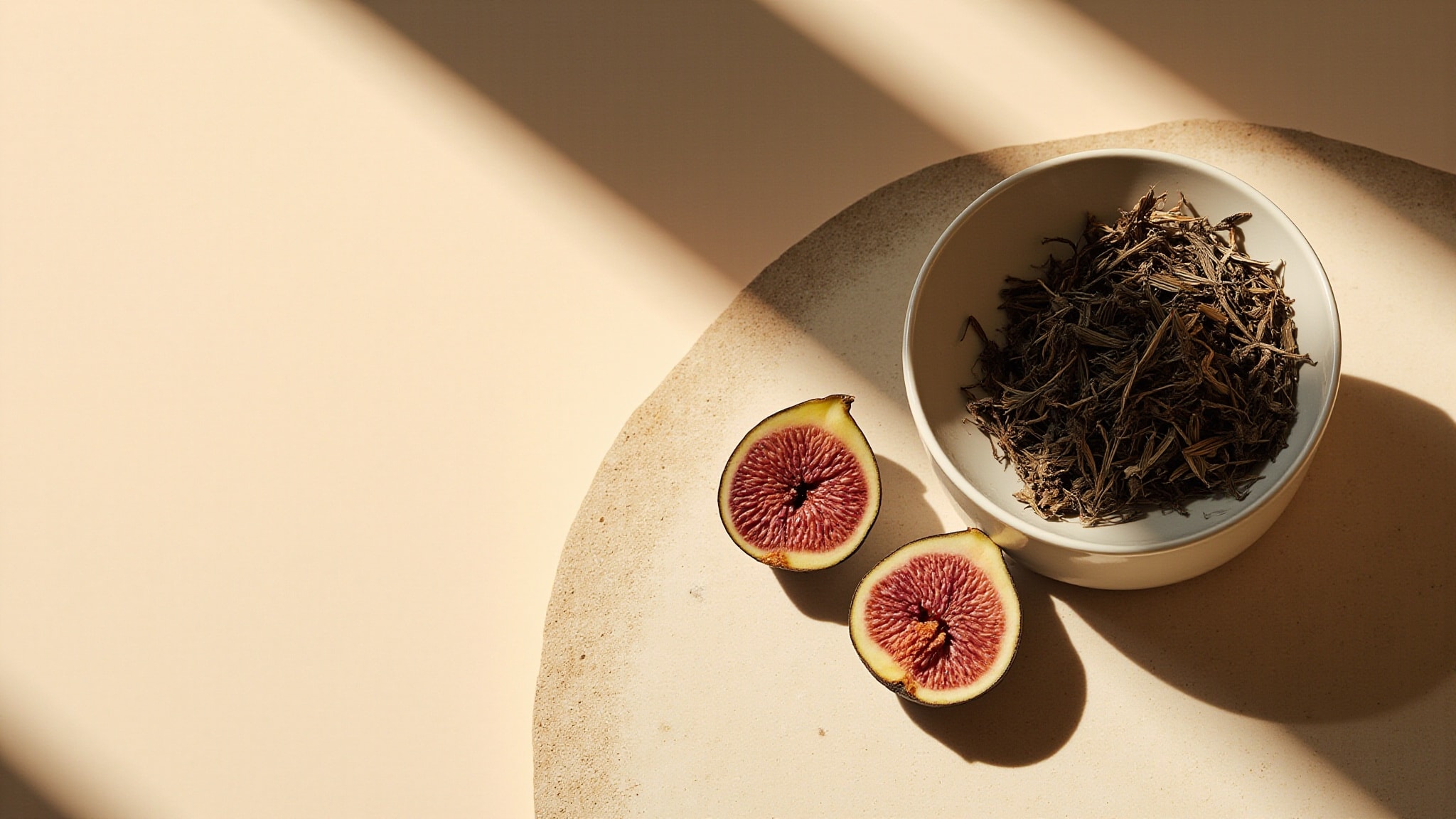
What makes Thé Rouge's structure unusual is how the tea notes function. Rather than sitting in the heart as a delicate bridge, rooibos and Yunnan establish a woody, slightly grainy foundation that resists the typical evaporation arc of tea accords. The fig, present in the heart, does minimal lifting, its sweetness is quiet, almost an afterthought. The real weight comes from the base: walnut and resin working together to create something nutty and warm that stays close to skin for hours. This isn't a tea composition built on brightness. It's built on persistence, on the idea that the best cup of tea is the one you keep returning to, not the one that disappears before you've finished.
The evolution
The opening takes a few minutes to settle. Bergamot and orange arrive together, a citrus pairing that leans soft rather than sharp. The sweetness is immediate but grounded, not the bright zap of a lemon note. Pink pepper hovers at the edges, barely there. Then the heart reveals what Bvlgari was chasing: rooibos, with its warm, nutty, almost hay-like character, alongside Yunnan's darker intensity. Fig adds a quiet sweetness, but the dominant impression is dry, woody, meditative, the tea notes doing what tea notes rarely do in perfumery, which is to actually smell like tea. The drydown settles into walnut and musk, the resin adding a subtle amber warmth without sweetness. What remains, four hours in, is the sense of two teas still diffusing, warmer now, closer to skin, almost a memory of the opening rather than the opening itself.
Cultural impact
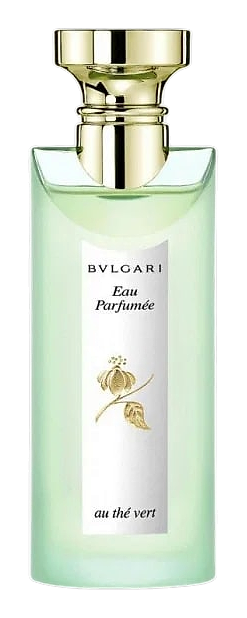
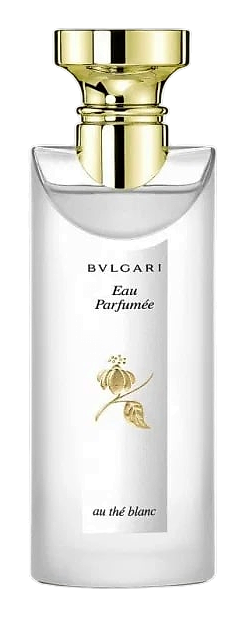
Part of Bvlgari's longstanding Eau Parfumée collection, each centered on a different tea. Thé Rouge carved out its place as the warmer, more sensual option, distinct from green or black tea interpretations, closer to the body, less obviously aromatic. It attracted wearers who wanted tea's sophistication without tea's typical brightness.