Yunnan Tea
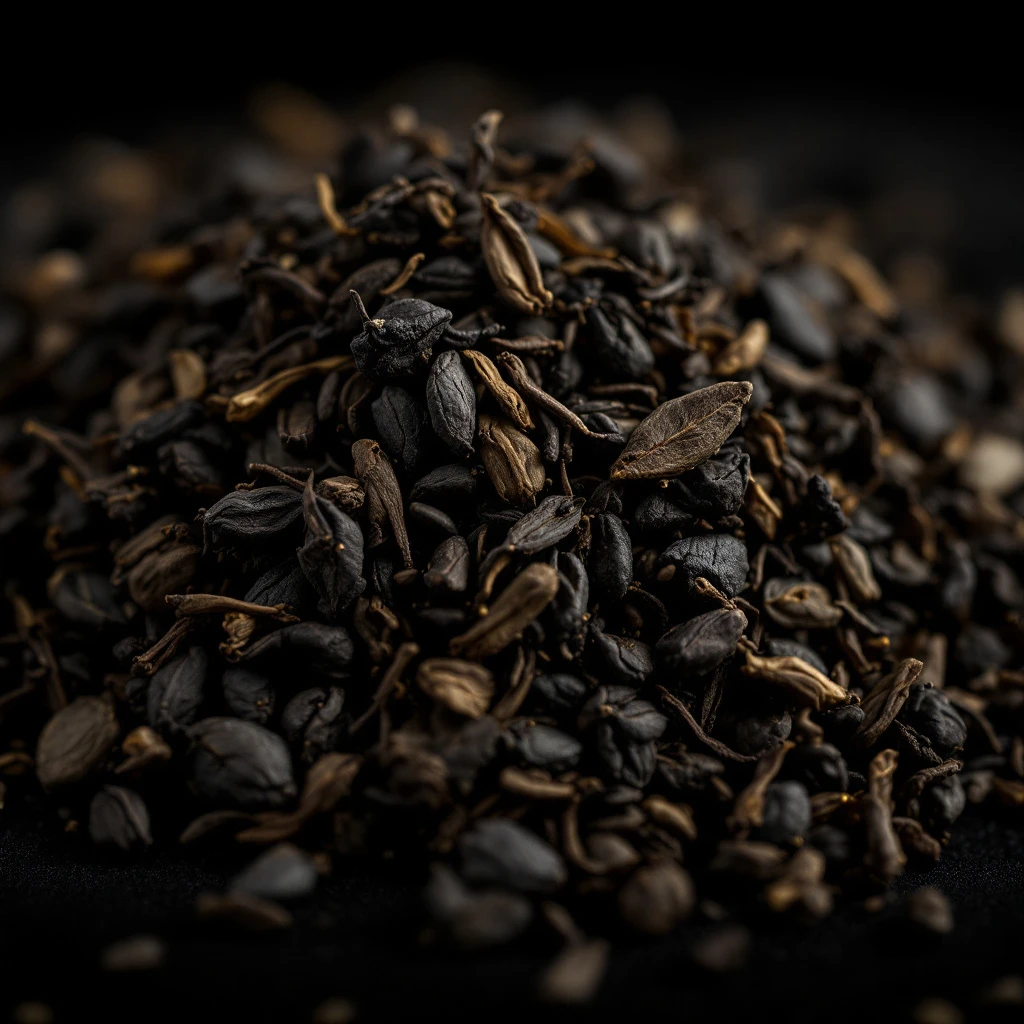
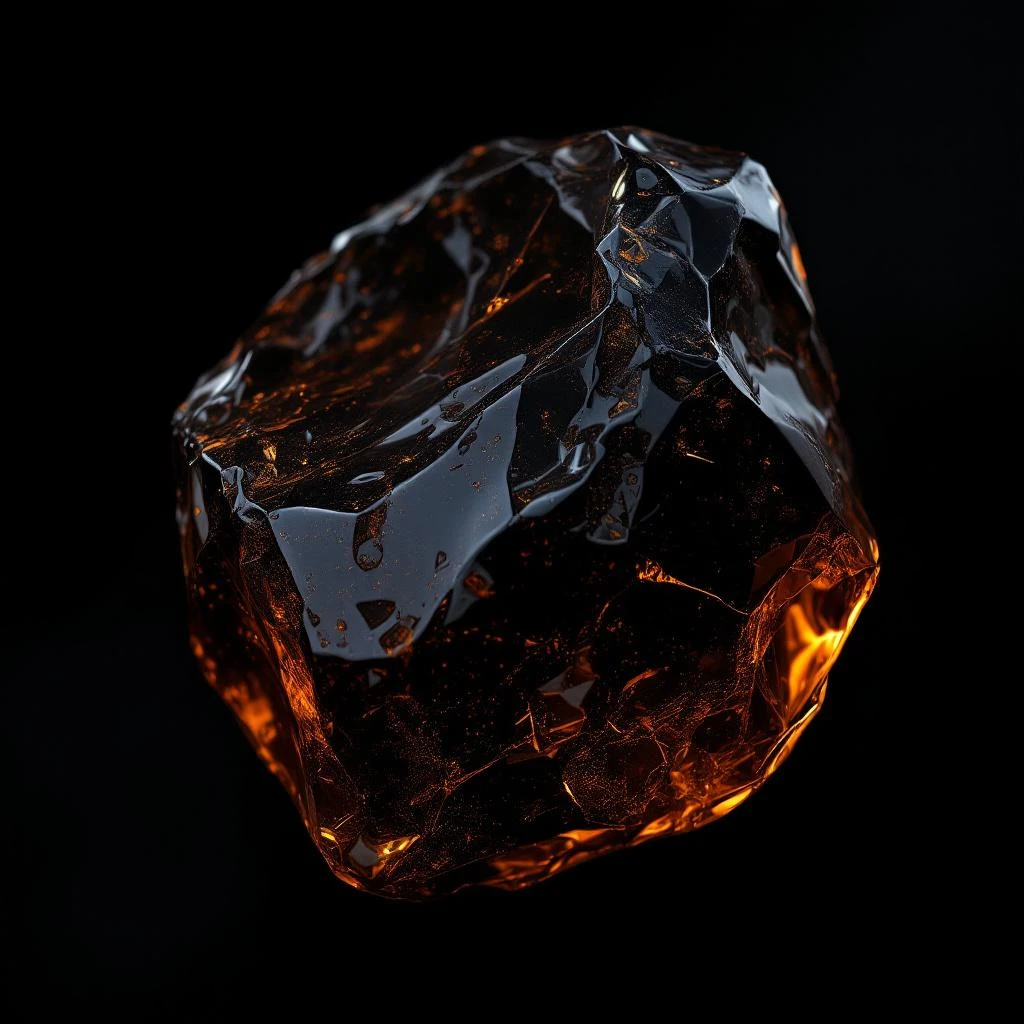
Grounded, malty, subtly sweet. Yunnan tea captures the misty highlands of southwest China in a cup—and in a fragrance. Its rich, full-bodied character brings warmth and quiet sophistication to any blend.
Character
How it smells
The malty soul of China's oldest tea country.
Yunnan is where tea began. Wild tea trees still grow there after more than a thousand years.



Origin
China
Tea has anchored Chinese olfactory culture for millennia. Long before modern extraction technology existed, Song Dynasty perfumers (960-1279 AD) blended tea with herbs and resins, creating scented preparations for court and ritual.
Yunnan province holds special significance: researchers trace cultivated tea back to wild trees growing in the area's highland forests, some over a thousand years old. The famous Tea Horse Road, an ancient trade network connecting Yunnan to Tibet and beyond, spread Yunnan tea across Asia and made the region inseparable from tea culture itself.
When Jean-Claude Ellena created Bvlgari's Au Thé Vert in 1992, he sparked a modern wave of tea-focused perfumery—but perfumers had been reaching for Yunnan tea long before, drawn to its complexity and its deep roots in the oldest tea traditions on earth. Today, Yunnan remains both a geographic origin and a symbol of authenticity in the fragrance world.
Wears it best
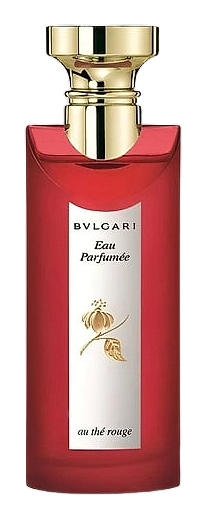
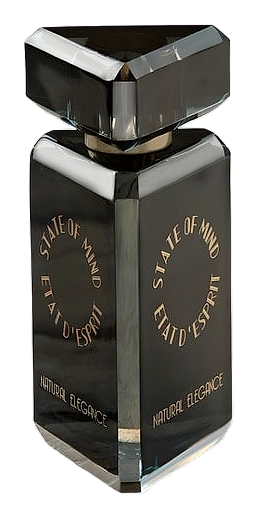
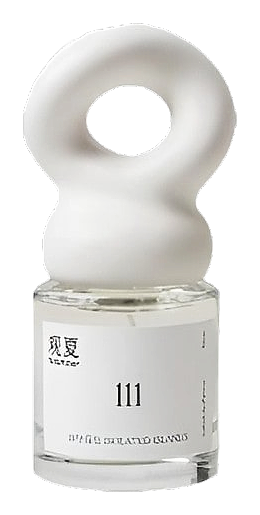
Fragrances featuring Yunnan Tea
Brands
Brands known for Yunnan Tea
Good to know
Questions, answered
The essentials on Yunnan Tea in perfumery: how it smells, where it comes from, and how it behaves on skin.
What does Yunnan tea smell like in a fragrance?
Yunnan tea brings a malty, slightly smoky sweetness to perfume. It sits between fresh green tea and dark fermented notes, offering warmth and body without heaviness. The effect is most recognizable as a rich, full-bodied tea aroma that adds depth and quiet sophistication to a blend.
Where does Yunnan tea grow?
Yunnan province sits in southwest China, bordered by Myanmar, Laos, and Vietnam. The region's high altitude, tropical latitude, and mountainous terrain create ideal conditions for tea cultivation. Wild tea trees still grow in Yunnan's forests, some over a thousand years old.
How do perfumers extract scent from tea leaves?
Two methods dominate. Steam distillation pulls essential oil from dried leaves, isolating the core malty and herbaceous notes. CO2 supercritical extraction, a newer technique, captures a broader range of aromatic compounds, producing an absolute closer to the living leaf's scent.
Is Yunnan tea used in perfumery historically documented?
Yes. Tea has anchored Chinese olfactory culture since the Tang and Song dynasties, when perfumers blended tea with herbs and resins for court use. Yunnan's prominence in the ancient Tea Horse Road trade ensured its tea influenced scent traditions across Asia for centuries.
What role does Yunnan tea play in a fragrance composition?
Yunnan tea functions as a heart note, lending warmth and structure to the middle of a fragrance. It bridges fresh citrus or green openings and deeper base notes like woods or musks, creating a smooth aromatic arc that feels cohesive and grounded.
Is Yunnan tea the same as green tea in perfumery?
No. Yunnan produces several tea types including red, black, white, and pu'er, each with distinct aroma profiles. Yunnan red tea is the most commonly used in perfumery for its malty sweetness and medium strength. Green tea, typically from other regions, presents a fresher, more vegetal character.
How long have humans used tea in fragrance?
Evidence suggests tea use in scented preparations dates back at least 5,000 years. Ancient Chinese court records describe tea-based incense and scented waters. The perfume industry began incorporating tea as a named note in the 1990s, with Bvlgari's Au Thé Vert by Jean-Claude Ellena in 1992 widely credited as a landmark creation.
What tea varieties does Yunnan produce?
Yunnan grows red tea, pu'er (fermented tea), white tea, and green tea. The most widely used in perfumery is Yunnan red tea, derived from Camellia sinensis var. assamica. This variety produces larger leaves with a distinct malty, sweet, and subtly smoky character that perfumers prize.