Walnut
Walnut brings deep, roasted warmth to perfumery, evoking crackling fires and autumn kitchens. Though no traditional extraction yields a fragrance-grade material, perfumers capture its essence through creative techniques, making walnut a cherished note in gourmand and woody compositions.
Character
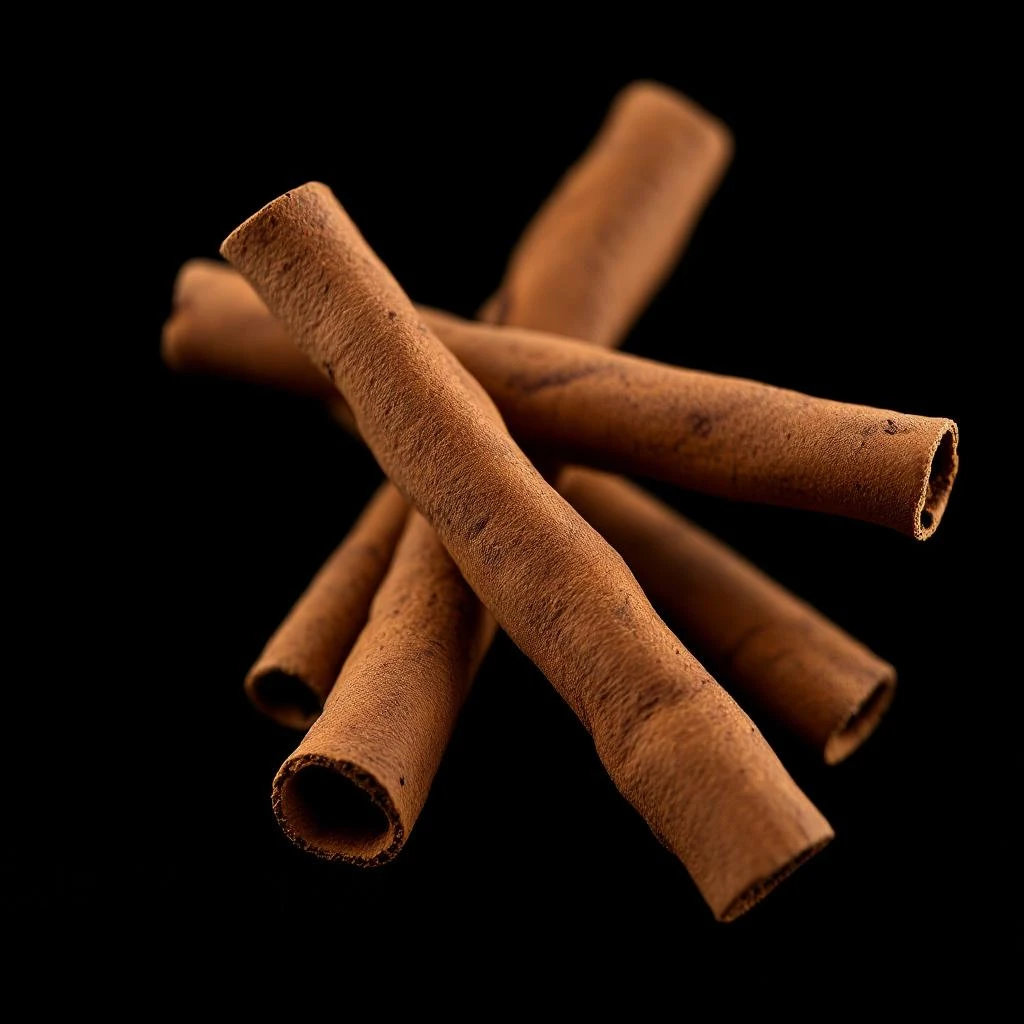
How it smells
A roasted, woody warmth that whispers of autumn.
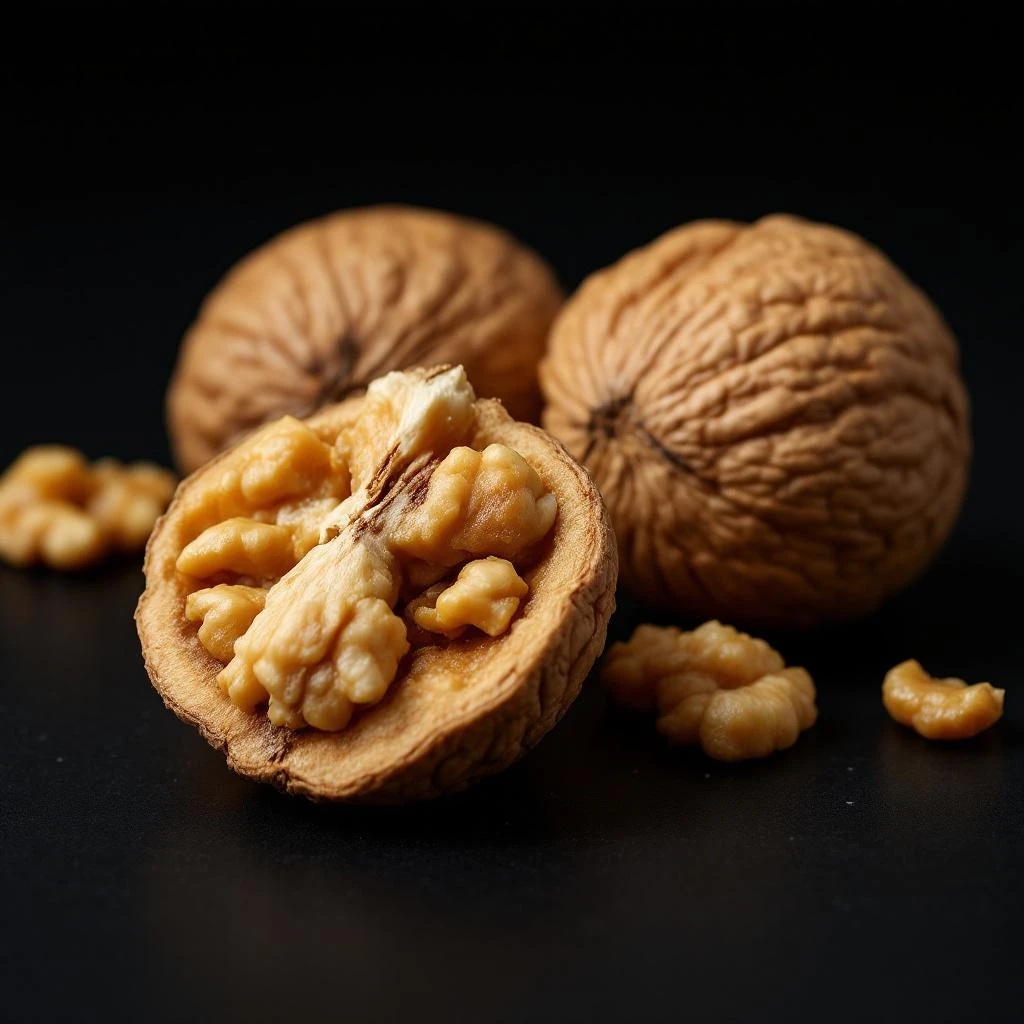
Black walnuts contain up to 20% more oil than English varieties, delivering a deeper, earthier aroma that perfumers prize.








Origin
Iran
Walnut cultivation stretches back to ancient Persia and the Mediterranean, where Juglans regia spread along trade routes to Greece and Rome. The Romans valued walnuts not only as food but for their oil, used in cosmetics and medicine. Eastern cultures, particularly in China and Tibet, incorporated black walnuts (Juglans nigra) into traditional remedies.
In perfumery, walnut's story differs from classic ingredients like oud or rose; perfumers only began systematically capturing its warm, roasted character in the late 20th century as gourmand fragrances gained popularity. Today, walnut appears in compositions seeking comfort and depth, from oriental fragrances to modern woody blends.
Wears it best
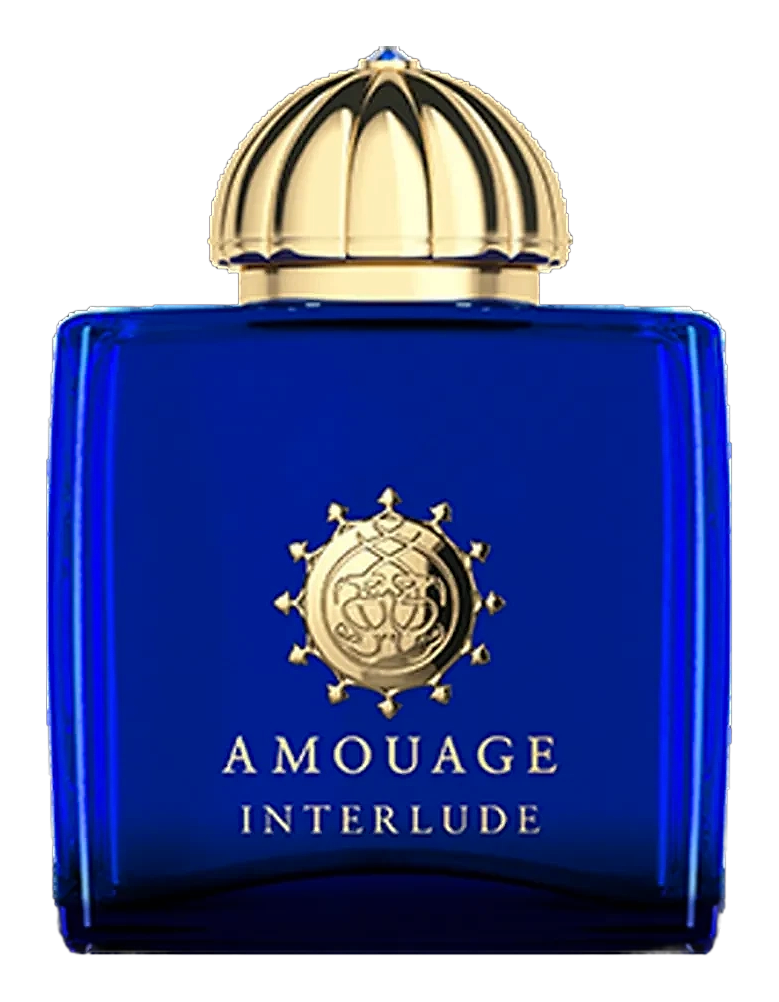
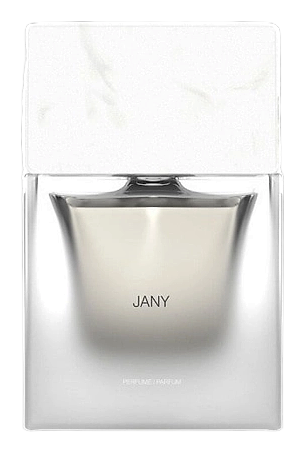
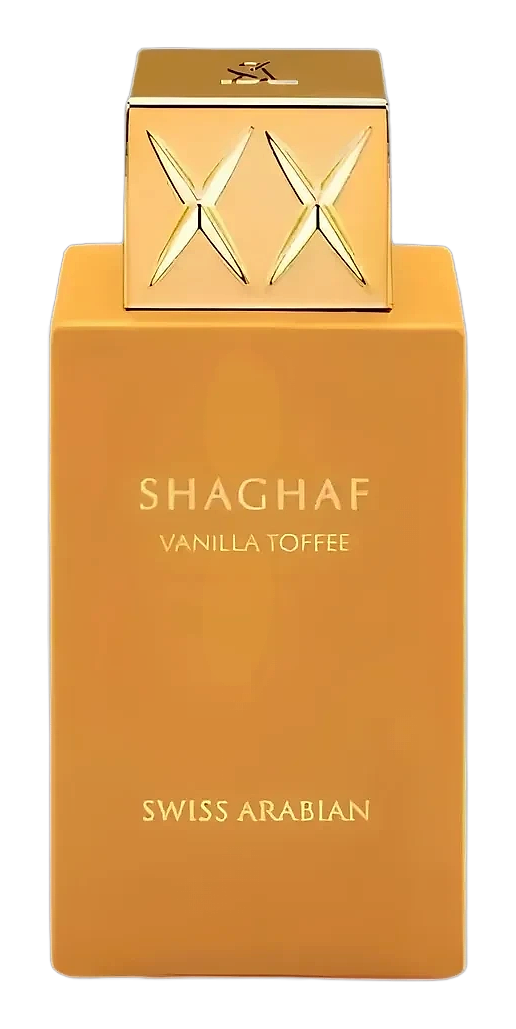
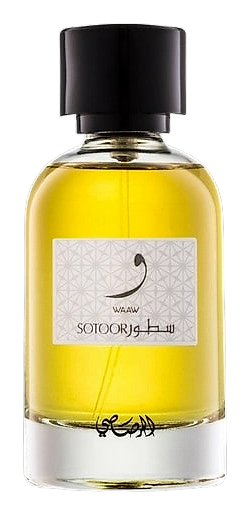
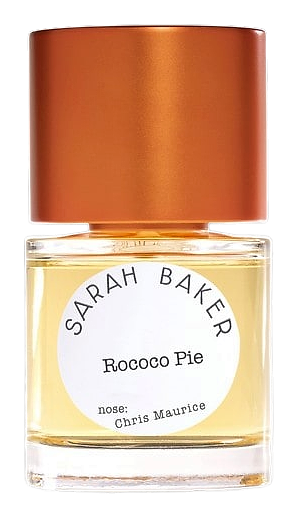
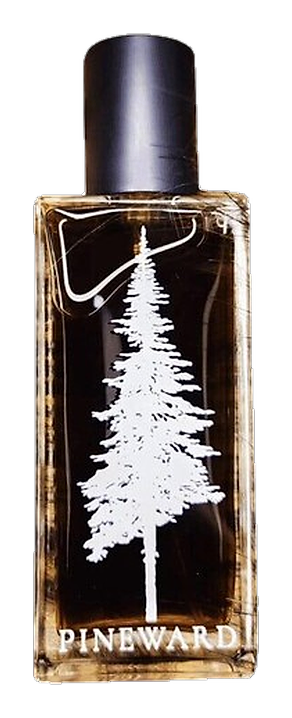
Fragrances featuring Walnut

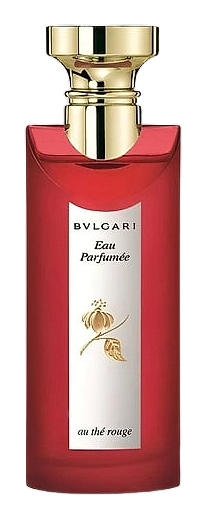

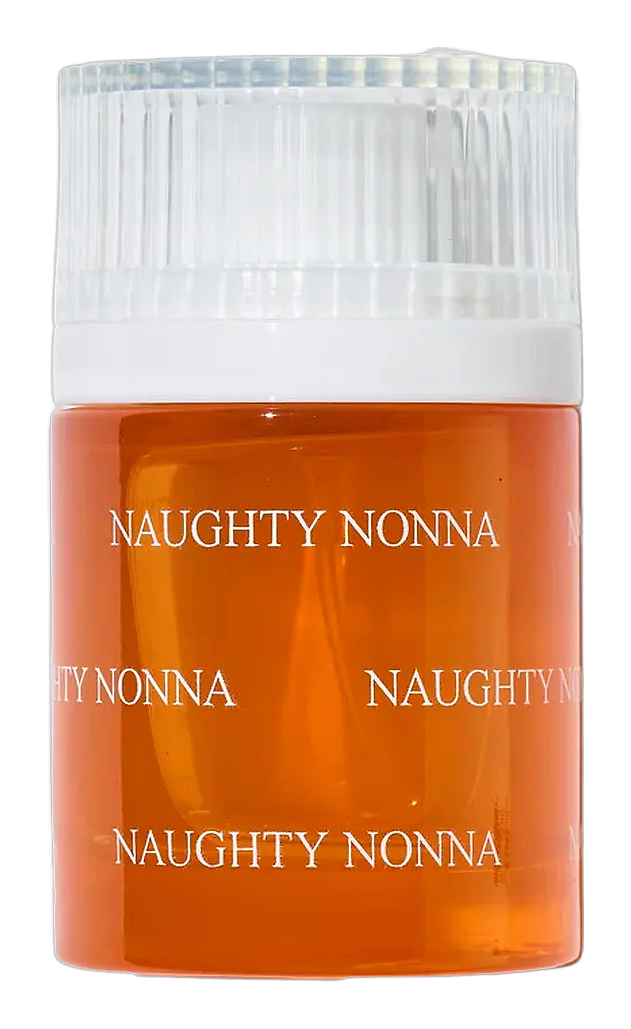
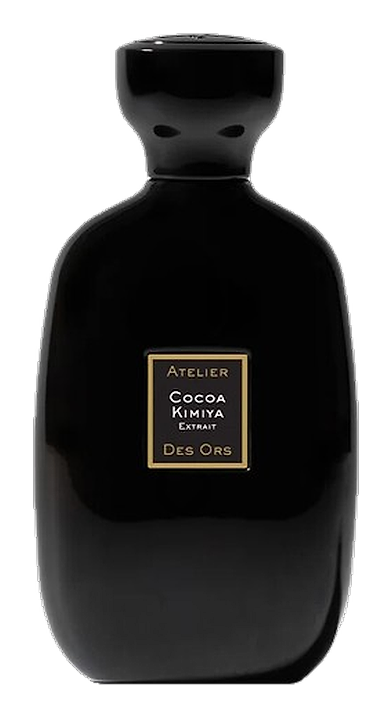
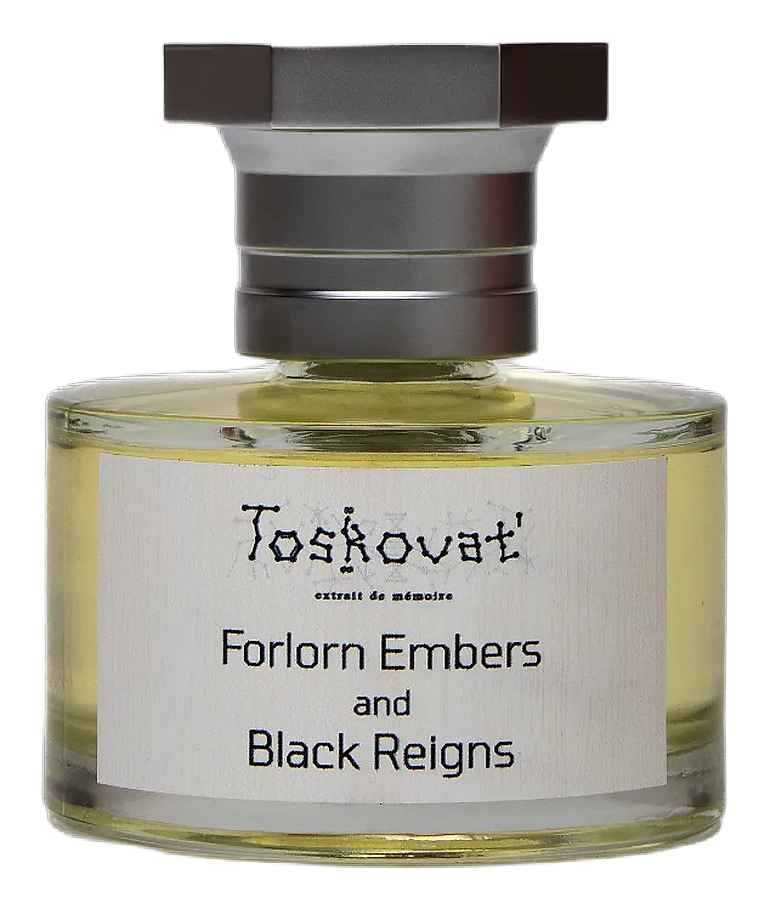
Brands
Brands known for Walnut
Good to know
Questions, answered
The essentials on Walnut in perfumery: how it smells, where it comes from, and how it behaves on skin.
Is walnut a real fragrance ingredient?
Walnut does not yield traditional fragrance extracts. No steam distillation or solvent extraction produces a usable aromatic material from walnut kernels. Perfumers instead rely on synthetic accords and aromatic extracts to capture walnut's warm, roasted character in compositions.
How do perfumers create walnut scents?
Most perfumers use synthetic molecules like furfural derivatives and pyrazine compounds to replicate the roasted, warm aroma of cracked walnut shells. These synthetics allow precise control over the nutty, slightly bitter character that defines walnut in fragrance.
What does walnut smell like in perfume?
Walnut in perfume presents as a warm, roasted, slightly bitter note with undertones of dry wood and subtle sweetness. It evokes the scent of cracked shells and toasted kernels, adding depth without heaviness.
What fragrance families use walnut?
Walnut appears most often in gourmand and oriental fragrances, where it adds an edible, comforting quality. It also shows up inchypre and woody compositions, lending a natural, autumnal warmth to the dry-down.
How long has walnut been used in perfumery?
Walnut's use in perfumery is relatively recent. While culinary and medicinal applications date to ancient Persia, systematic use of walnut as a fragrance note emerged in the late 20th century with the rise of gourmand perfumery.
Can I find natural walnut extracts?
No extraction method yields fragrance-grade walnut material. Walnut seed oil exists but is cold-pressed for culinary use, not perfumery. Some artisan houses use walnut husk extracts, but these remain uncommon in commercial fragrances.
How does walnut combine with other notes?
Walnut pairs well with vanilla, benzoin, and other balsamic materials that enhance its warm, edible quality. In woody compositions, it combines naturally with cedar, sandalwood, and oakmoss, creating autumnal depth.
What is the difference between black walnut and English walnut in perfumery?
Black walnut (Juglans nigra) offers a deeper, more intense aroma with earthier, more bitter notes compared to English walnut (Juglans regia), which tends toward sweeter, milder nutty characteristics. Perfumers select based on the desired outcome.