
The Story
Why it exists.
The beginning
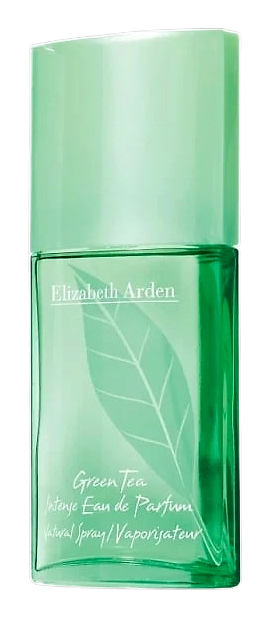
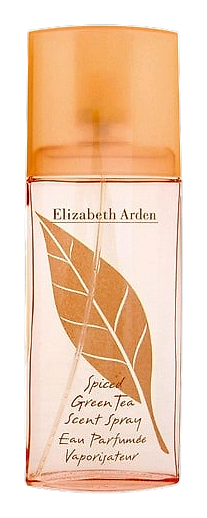
Francis Kurkdjian created Spiced Green Tea in 2001 for Elizabeth Arden, a brand that built American prestige beauty on the premise that luxury should be earned through reinvention, not inherited. The green tea trend was already underway by then, but most interpretations stayed safely aquatic, comfortably bland. Kurkdjian took a different angle. He built the fragrance around warmth first, freshness second. The green tea would be there, spa-clean, slightly astringent, but it would sit on top of something that remembered spice.
The rhubarb and citrus open the composition with the brightness expected from a green tea fragrance. But ginger arrives quickly, and with it, the shift from spa to something more interesting. Cardamom in the heart adds complexity without heaviness. The anise is the real tell, a licorice-adjacent note that some wearers describe as a quiet black-jellybean moment. It divides people, and Kurkdjian knew it would. The jasmine keeps the spices from overwhelming, and the sandalwood-patchouli base anchors everything so the tea never disappears entirely.
The evolution
The first twenty minutes belong to rhubarb and citrus, tart and sparkling, the kind of opening that smells like morning. Then the anise arrives. Not loudly, but it arrives. The green tea underneath keeps it from going full licorice, but the effect is unexpected. The ginger stays present throughout the heart phase, warming the tea and jasmine into something that smells less like a spa product and more like a person who drinks a lot of tea. By hour three, sandalwood and patchouli take over. The sillage drops to intimate. The drydown on clothes the next day smells faintly of spice and something resinous, labdanum, probably, doing the quiet work it was always meant to do.
Cultural impact
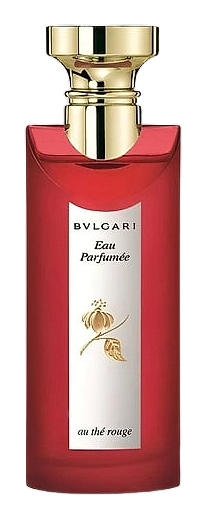
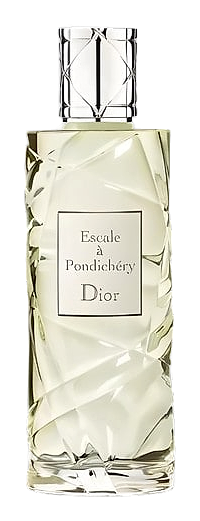
Spiced Green Tea carved a specific niche: green tea with personality. While Bvlgari's Eau Parfumée au Thé Rouge took the aquatic route and Dior's Escale à Pondichéry went full travel-spice, Kurkdjian's version offered something rarer, a green tea that argued with itself, fresh versus warm, clean versus curious. The anise note became its defining controversy. Some wearers report that it reads as medicinal at first spray before softening. Others find it the most interesting thing in the composition. The fragrance was discontinued, which has only intensified its cult following among those who seek it out.