The Story
Why it exists.
The beginning
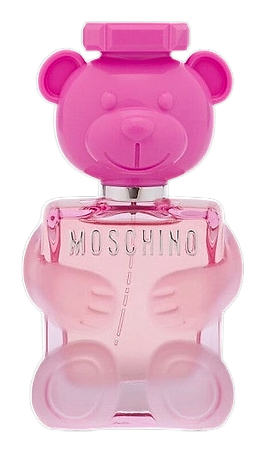
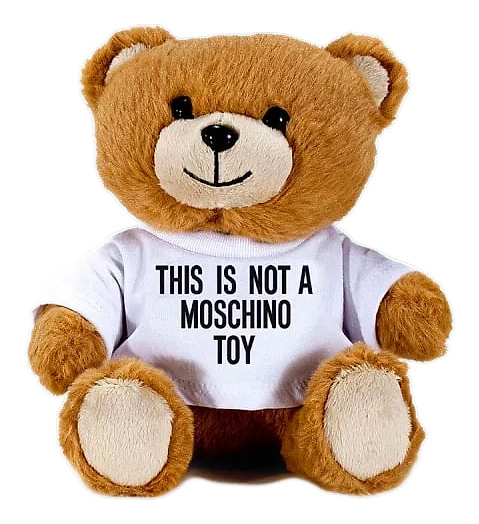
Alexandra Kosinski designed Toy as a direct answer to fashion fragrance territory. Moschino's creative brief gave her a single instruction: make something that lasts past the entrance. The bottle, a teddy bear dressed in Moschino's signature, arrived as concept first, but the scent had to justify the object. Playful without being trivial. Present without being loud. That's the assignment she accepted in 2014.
The note structure reflects that tension. Mandarin and cardamom open bright and tart, immediate, attention-grabbing. But beneath the opening, a woody foundation of cedarwood, sandalwood, and tree moss builds the actual architecture. The florals in the heart (violet, eglantine rose, hawthorn) don't dominate. They bridge. They move the composition from initial spark to something with actual body. Kosinski's skill shows in the calibration, the composition never tips into sweetness, even as vanilla arrives in the drydown. The tree moss keeps it grounded, green, and just slightly wild.
The evolution
The mandarin and cardamom arrive tart and bright. They fade fast, within the first hour, the citrus is gone and what's left is dry, almost coniferous. The real structure emerges once the top notes clear. Cedarwood and sandalwood arrive quietly, building a warm base that supports everything else. The tree moss is the tell. It keeps a forest-floor earthiness that prevents the drydown from going fully soft, even as the vanilla arrives. Toy doesn't fully surrender to sweetness. That green undercurrent holds. On most skin, the drydown lasts 3-4 hours after the opening fades. The teddy bear bottle earns its place.
Cultural impact
Toy by Moschino has found its audience among people who appreciate the brand's wit and want something that actually performs rather than just making a statement. Moschino's camp philosophy attracts wearers who don't take luxury's gravity too seriously, and Toy delivers that playful identity with real staying power.