








The Heritage
The Story of Moschino
Moschino is an Italian fashion house founded in 1983 by Franco Moschino in Milan, renowned for its irreverent, campy approach to luxury fashion. The brand challenges established industry norms with colorful, witty designs that often parody mainstream luxury and consumer culture. Moschino's fragrance collection extends this provocative spirit into scent form, with bottles disguised as everyday objects and iconic characters that generate viral moments and collector appeal. The house has remained influential across four decades, with creative direction passing from Franco to Rosella Jardini and later to Jeremy Scott before Adrian Appiolaza took the helm in 2024. Moschino operates as part of the Aeffe Group and produces ready-to-wear, accessories, eyewear, and a diverse portfolio of fragrances for men and women.
Heritage
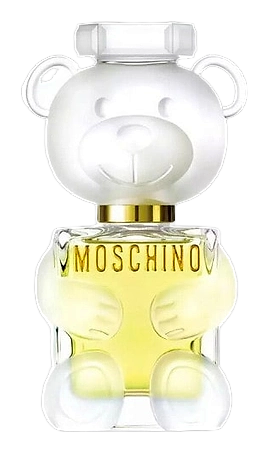
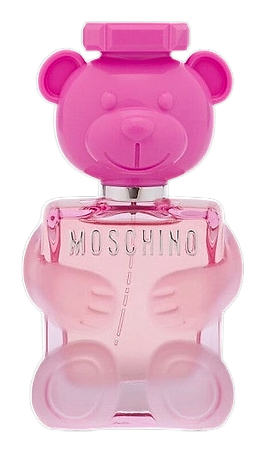
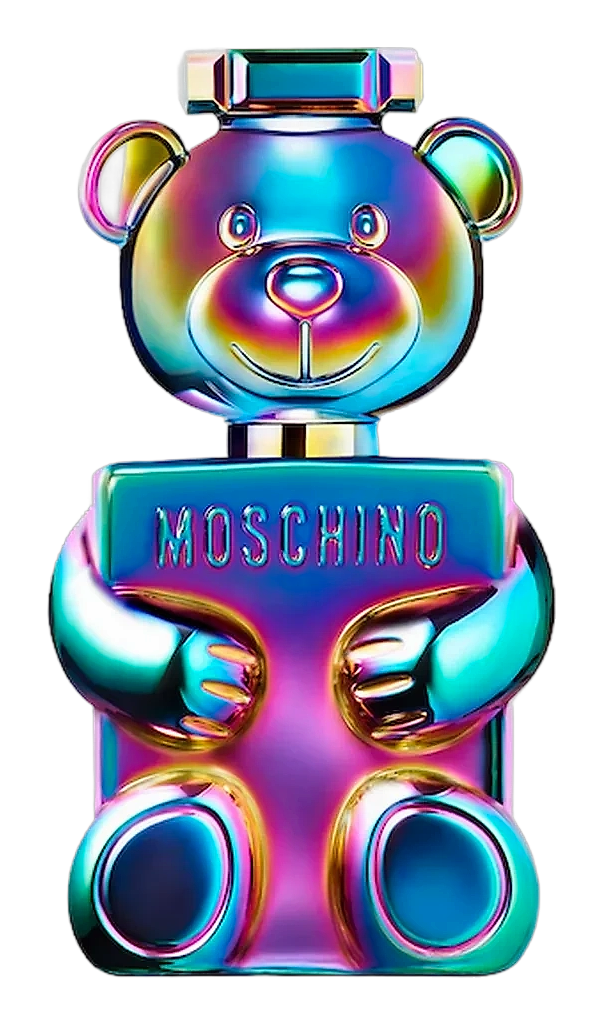
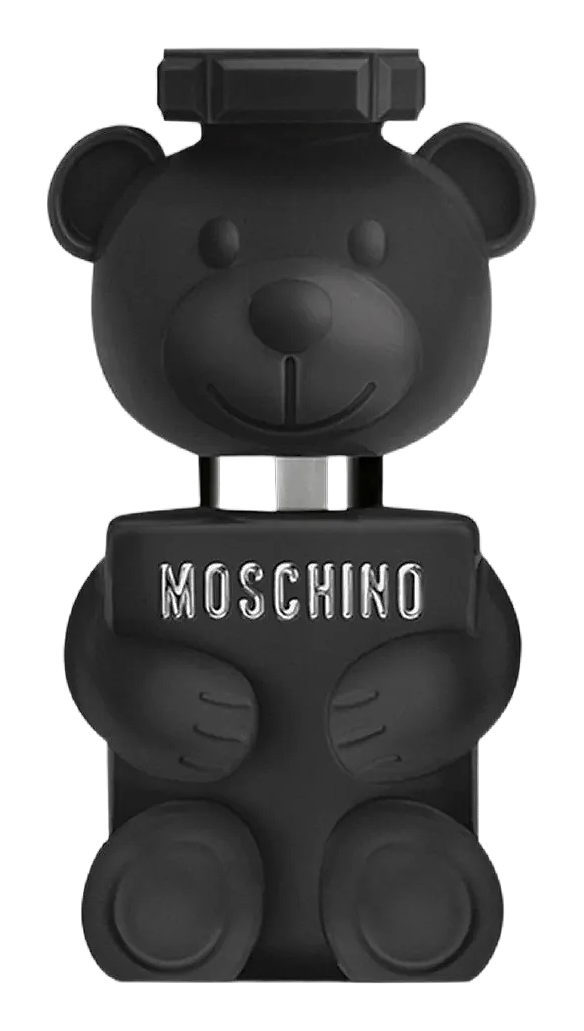
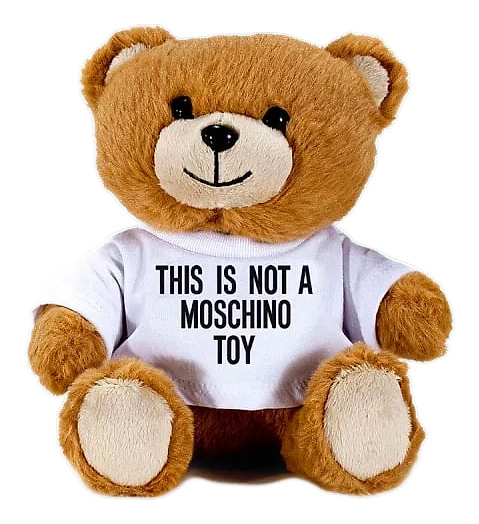
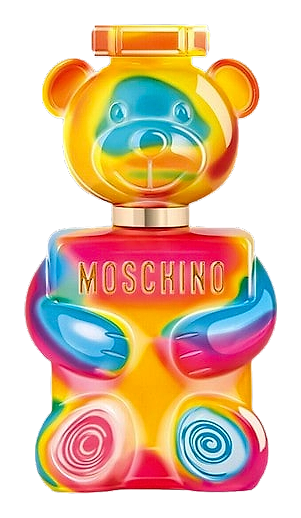
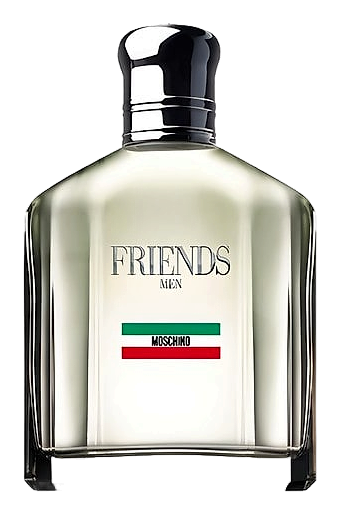
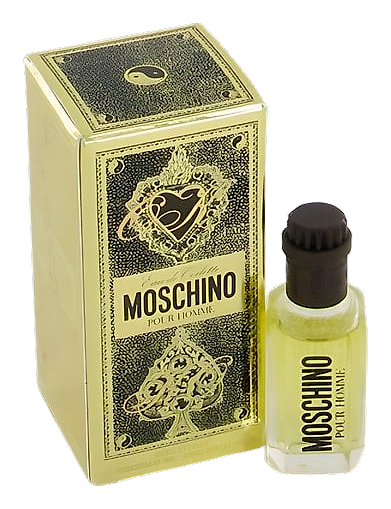
Franco Moschino launched his namesake label in Milan in 1983 after working as a design sketcher for Versace from 1971 to 1977 and for Italian fashion house Cadette until 1982. His debut women's collection immediately set the tone for what would become decades of provocative, ironic design. Moschino gained notoriety for subverting classic luxury vocabulary—parodying the Chanel suit, incorporating pop art references into tailored pieces, and treating the fashion system itself as fair game for critique. The brand expanded rapidly through the 1980s. The first men's collection arrived shortly after the women's line, followed by the Moschino Jeans line in 1986. In 1987, Moschino hosted a party with an "Amusement park" theme and launched the house's first fragrance, Moschino for Women. Moschino for Men followed in 1990, establishing a fragrance tradition that would span decades. Franco Moschino died in 1994 at age 44, having witnessed a retrospective exhibition, a book titled "X years of chaos," and a celebratory show marking his label's tenth anniversary. His friend and collaborator Rosella Jardini took over creative direction, maintaining the brand's playful eccentricity while steering it into the new millennium. During her tenure, Moschino created outfits for Madonna and Lady Gaga's world tours and designed opening ceremony costumes for the 2006 Winter Olympics. The brand continued to grow its fragrance portfolio, launching playful offerings like Cheap & Chic and Friends Men throughout the 2000s. Jeremy Scott succeeded Jardini as creative director, bringing his own pop-culture fluency to the house. It was under Scott's direction that Moschino produced one of its most talked-about fragrances: Toy, a perfume housed in an oversized teddy bear bottle unveiled at Harrods in 2014. The launch drew crowds around the Knightsbridge block, and the scent sold out immediately. In 2024, Argentine designer Adrian Appiolaza joined as creative director, continuing the house's tradition of appointing distinctive voices to guide its evolution.
Craftsmanship
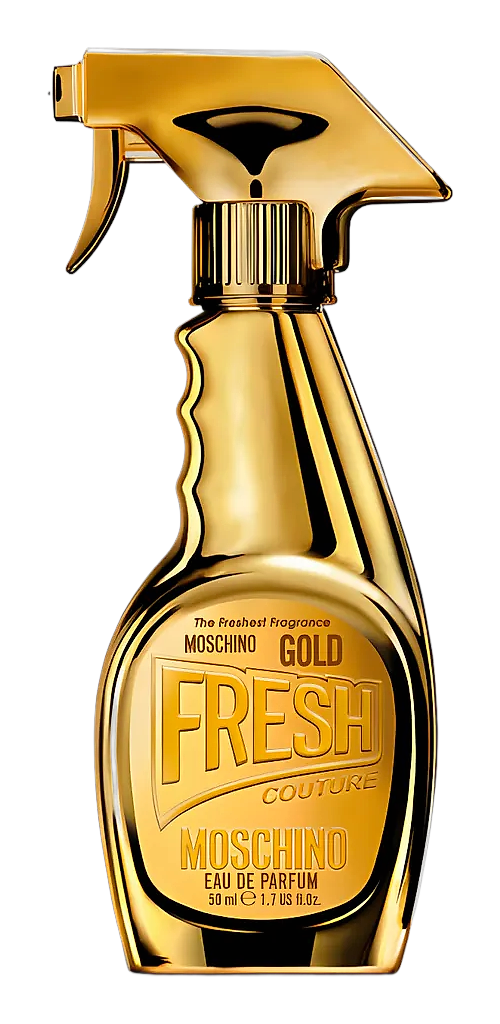
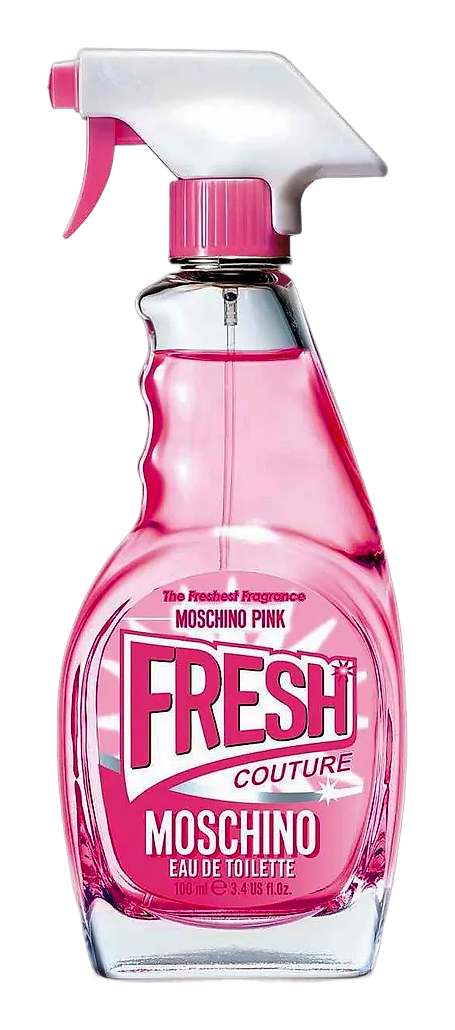
Moschino collaborates with established fragrance houses and notable perfumers to execute its scent concepts. The brand has worked with IFF (International Flavors & Fragrances) on various formulations and has engaged perfumers including Alberto Morillas, Fabrice Pellegrin, Olivier Cresp, Olivier Polge, Antoine Maisondieu, Guillaume Flavigny, and Domitille Michalon Bertier across its fragrance range. Alberto Morillas, who created the original Fresh Couture, brings decades of fine fragrance experience to his Moschino collaborations. Fabrice Pellegrin worked alongside Morillas on Moschino 2, combining traditional craftsmanship with contemporary sensibility. These partnerships allow the brand to pair conceptual packaging with compositions that meet professional standards. Moschino's approach treats the juice inside its unconventional bottles with equal importance to the bottle design itself. The brand acknowledges that fragrance collectors and enthusiasts will evaluate the scent on olfactory merit regardless of how it is housed. Fresh Couture's description as "a dichotomy of high and low" captures this approach—juxtaposing mundane household products with precious fragrance composition. Mandarin, bergamot, raspberry, and ylang ylang notes appear in compositions designed for balance and memorability, not merely as afterthoughts to a visual gag. The brand maintains that the fragrance experience should justify the attention the packaging generates.
Design Language
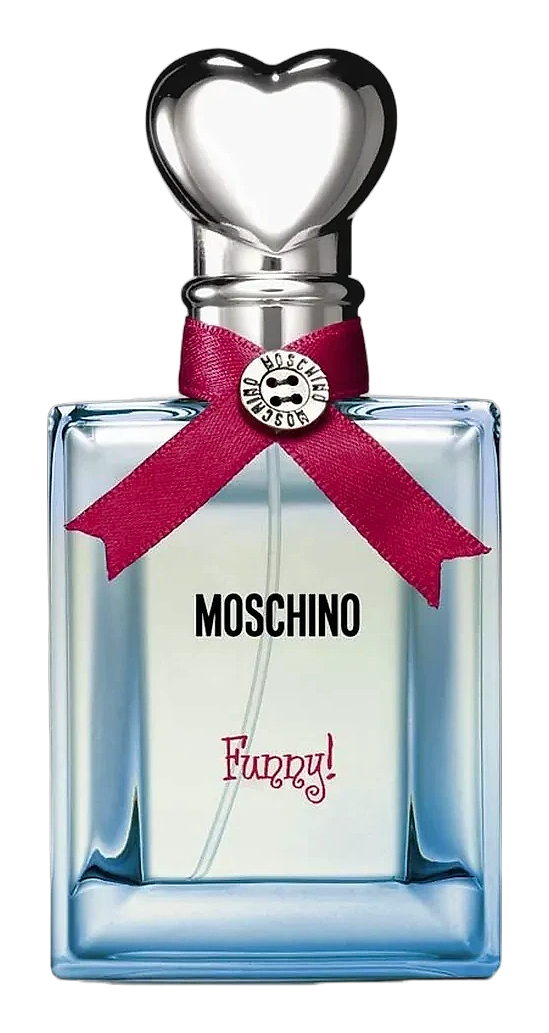
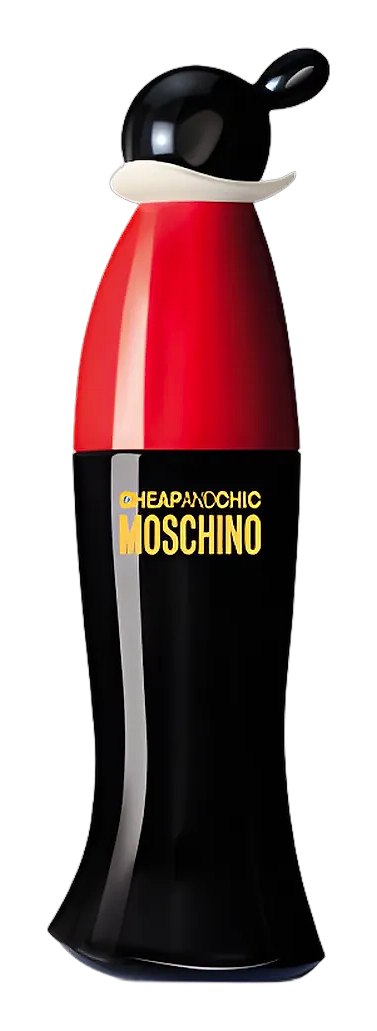
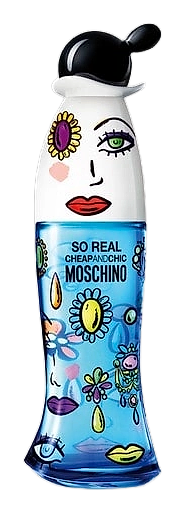
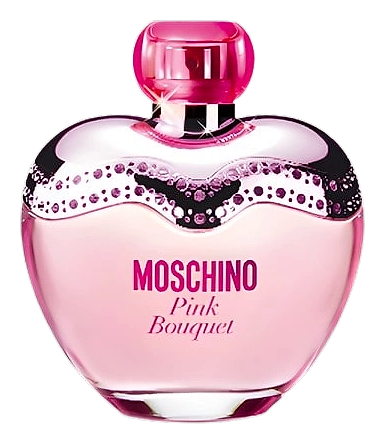
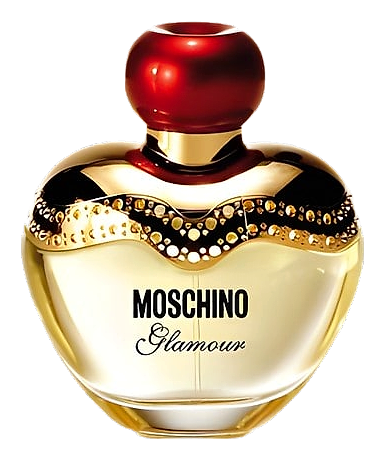
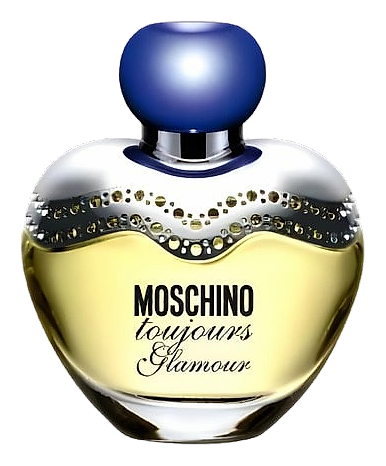
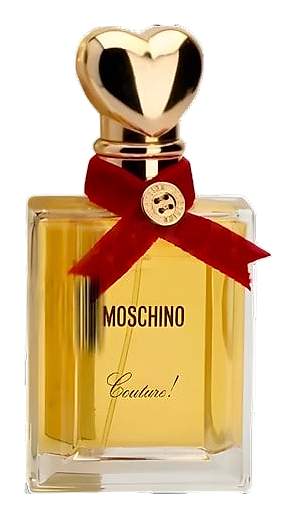
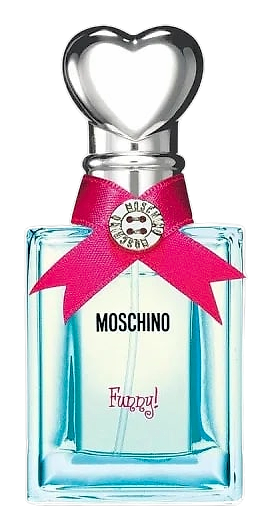
Moschino's visual identity revolves around subversion and surprise. The brand takes recognizable luxury imagery and transposes it into unexpected contexts, creating visual contradictions that generate instant recognition and viral appeal. In fashion, this manifests as traffic cone-shaped handbags and dresses resembling giant feather dusters. In fragrance, the principle extends to bottles shaped like teddy bears, cleaning spray containers, and cartoon characters. The brand's bottle designs function as sculptural objects independent of their contents. The teddy bear bottle for Toy became a collector's item and fashion statement before anyone smelled the fragrance inside. Fresh Couture's cleaning spray aesthetic challenges viewers to recognize luxury perfume housed in industrial packaging. Cheap & Chic carries its Betty Boop inspiration visibly, making the fragrance an extension of pop culture iconography. This visual strategy aligns with Moschino's broader aesthetic: bold, colorful, unapologetically playful, and designed to elicit smiles. The brand rejects stuffiness and performs its irreverence consistently across categories. Even as creative directors have changed over the decades, this core aesthetic principle has remained stable. Each new fragrance continues the tradition of packaging perfume inside objects that refuse to take themselves seriously while maintaining enough visual sophistication to function as luxury objects.
Philosophy
Moschino treats fashion and fragrance as vehicles for social commentary rather than solemn art forms. The brand operates from a belief that luxury deserves to be questioned, and its creative output consistently lampoons the very industry that houses it. Fragrances are approached with the same irreverent spirit as clothing—unexpected, attention-grabbing, and designed to spark conversation. This satirical DNA manifests differently across Moschino's scent portfolio. Some fragrances comment on consumerism through their packaging, like Fresh Couture, which houses perfume in bottles modeled after cleaning spray. Others tap into pop culture nostalgia, as with Cheap & Chic, which draws inspiration from the Betty Boop cartoon character. The brand treats each launch as an opportunity for conceptual humor, treating the fragrance industry with the same playful subversion it applies to fashion. Yet beneath the wit lies genuine craft. Moschino's perfumers approach their work with the seriousness expected of any fine fragrance house, even when the bottle shape mimics a household product. The brand maintains that you do not have to choose between intellectual playfulness and olfactory quality. Scents are designed to be taken seriously on their own merits even as their packaging invites playful commentary. This duality—the conceptual gag paired with a genuinely composed juice—defines Moschino's philosophy of fragrance creation.

Key Milestones
1983
Franco Moschino founded the label in Milan, presenting his first women's collection.
1987
Moschino launched its debut fragrance, Moschino for Women, at an "Amusement park" themed party.
1990
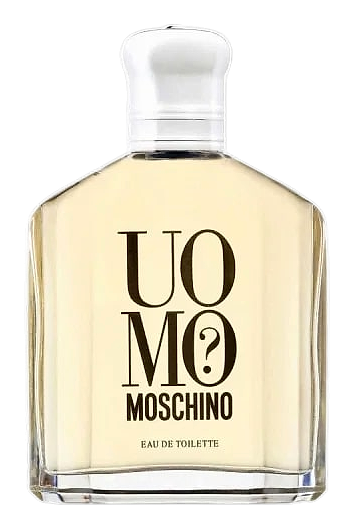
Moschino for Men debuted, establishing the house's presence in men's fragrance.
1994
Franco Moschino died at age 44. Rosella Jardini succeeded him as creative director.
2014
Jeremy Scott unveiled Toy fragrance at Harrods. The teddy bear-shaped bottle sold out immediately.
2024
Adrian Appiolaza became Moschino's creative director.
At a Glance
Brand profile snapshot
Origin
Italy
Founded
1983
Heritage
43
Years active
Collection
3
Fragrances released
Avg Rating
4.0
Community sentiment
Release Rhythm


