Tree Moss
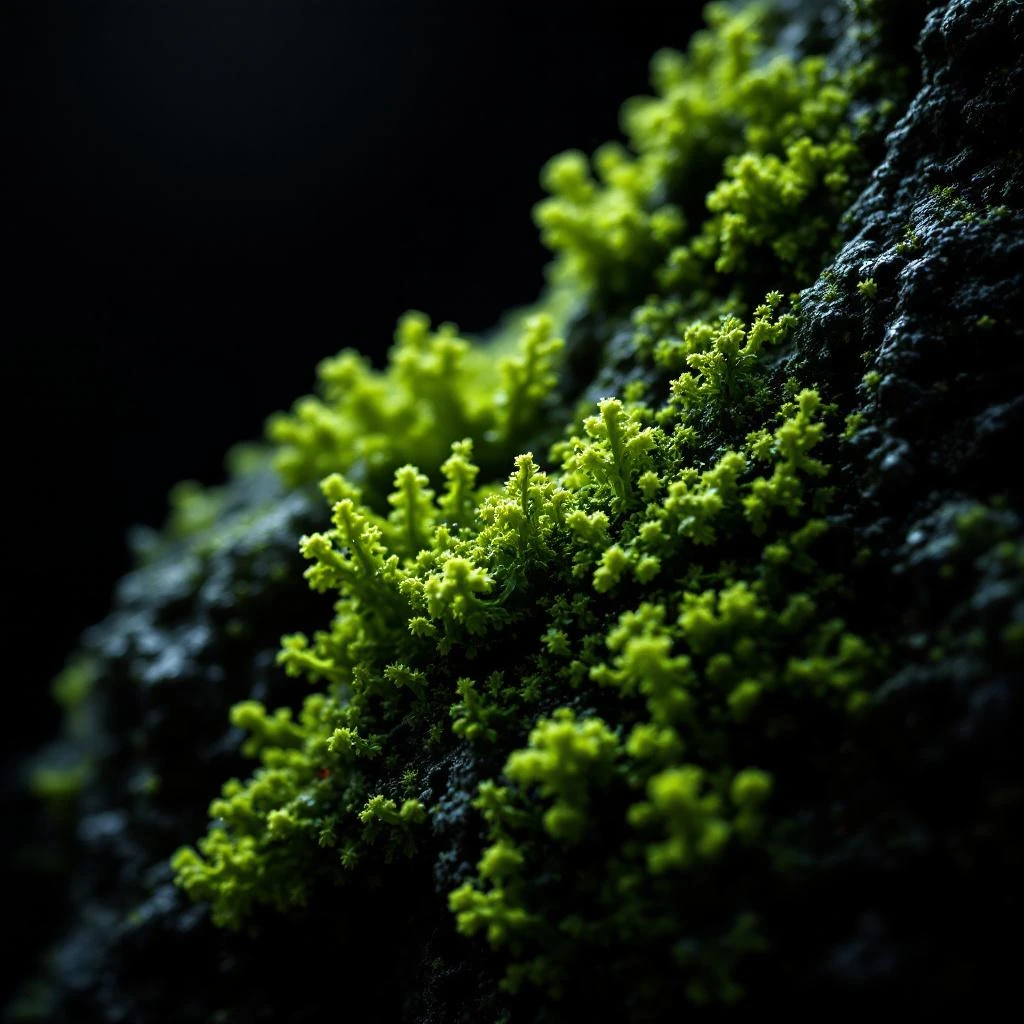
Tree moss captures the damp, verdant soul of ancient forests. Its earthy, coniferous character adds depth and mystery to fragrances, evoking rain-soaked woodlands and sunlit bark. This botanical ingredient has anchored perfumery for centuries.
Character
How it smells
The forest floor captured in a bottle
Unlike most botanicals, tree moss is a lichen—a symbiotic partnership between fungi and algae, giving it a uniquely complex scent profile found in few other natural ingredients.









Origin
France
The use of treemoss in perfumery dates back to at least the 16th century, making it one of the oldest natural raw materials in fragrance composition. Perfumers in France and Italy first recognized the lichen's unique aromatic properties, incorporating it into early colognes and toilet waters. During the 19th century, as perfumery evolved from craft to industry, treemoss became a foundational ingredient in the chypre and fougere fragrance families.
Its ability to evoke damp forest environments made it indispensable for creating nature-inspired compositions. Today, despite the rise of synthetic alternatives, natural treemoss remains prized for its complexity and authenticity, particularly in classic masculine and unisex fragrances that require genuine forest character.
Wears it best
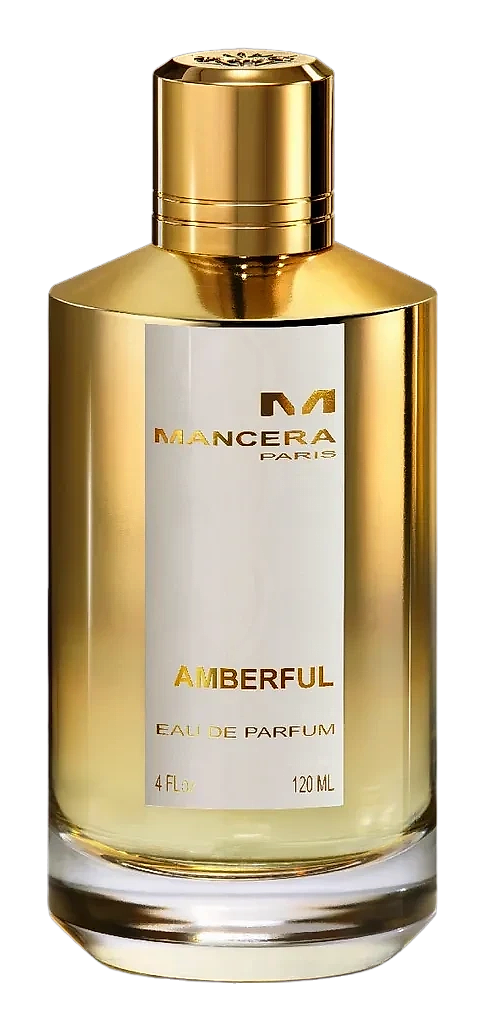
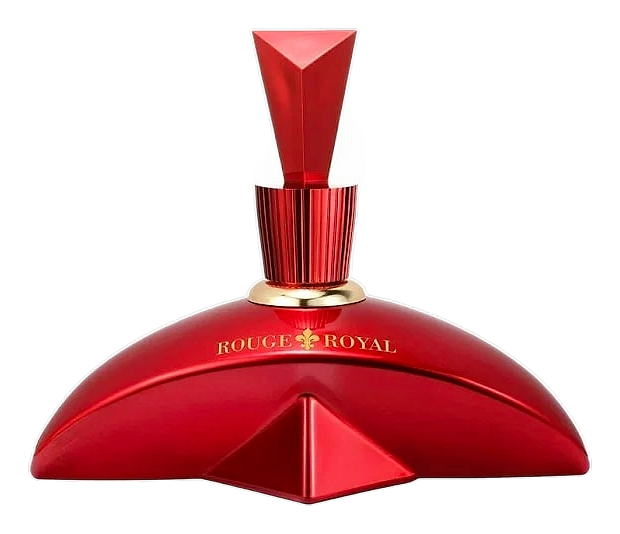
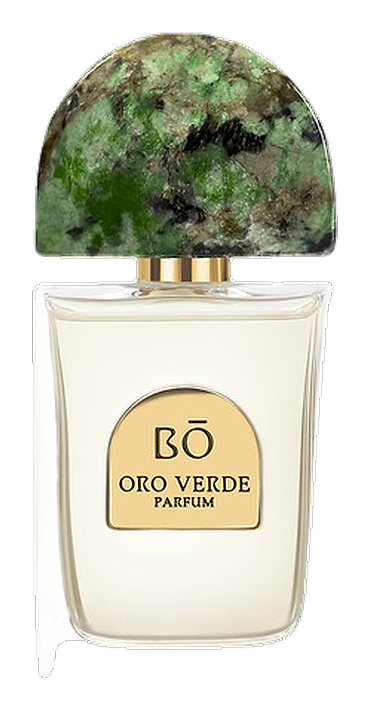
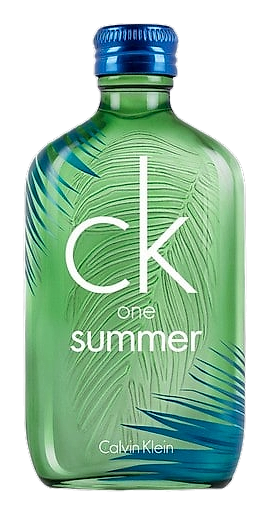
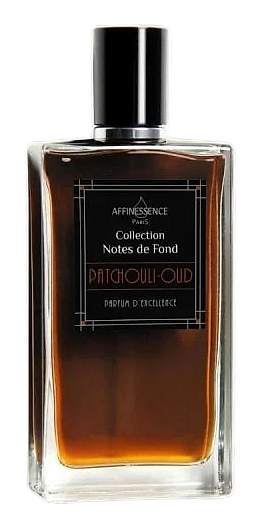
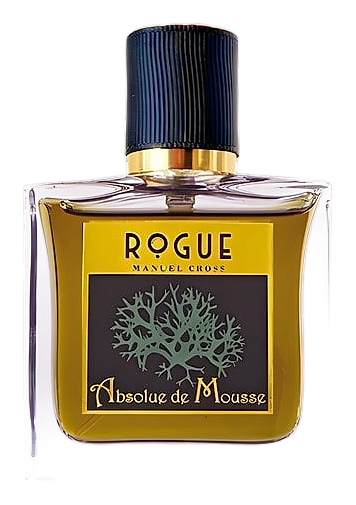
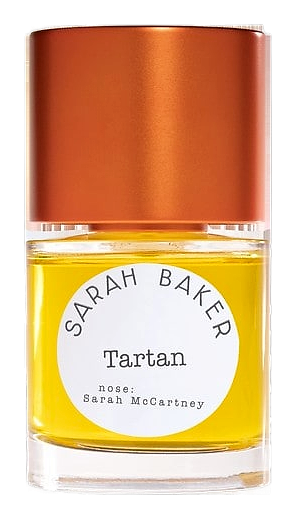
Fragrances featuring Tree Moss

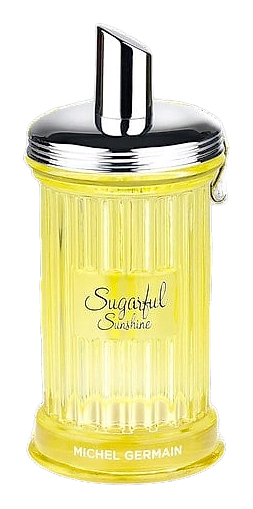

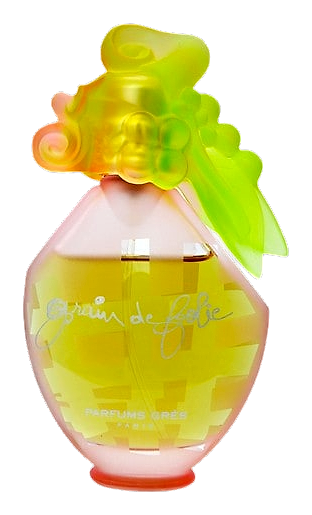
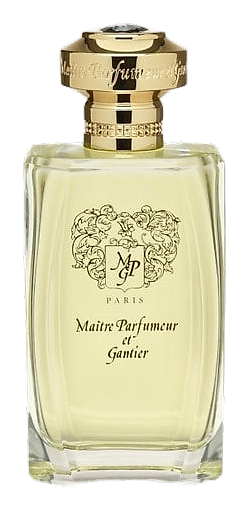
Brands
Brands known for Tree Moss
Good to know
Questions, answered
The essentials on Tree Moss in perfumery: how it smells, where it comes from, and how it behaves on skin.
What is the difference between tree moss and oakmoss?
Oakmoss grows primarily on oak trees while treemoss grows on pine and fir trees. Oakmoss (Evernia prunastri) offers a more mushroomy, earthy character. Treemoss delivers a more coniferous, forest-floor profile with stronger woody and balsamic notes.
What does tree moss smell like?
Tree moss smells like the forest floor after rain. It combines earthy, damp, and coniferous notes with undertones of bark and resin. The overall effect is woody, green, and deeply atmospheric.
Which fragrance families use tree moss?
Treemoss appears most prominently in chypre, fougere, and aromatic fragrance families. It provides the signature forest depth that defines these categories, working particularly well with lavender, coumarin, and rose.
Where does tree moss come from?
Natural treemoss grows primarily on pine and fir trees across Europe, with France serving as the main processing center. Germany, Hungary, and China also produce smaller quantities of treemoss absolute.
Why is tree moss regulated in perfumery?
Like many natural ingredients, treemoss contains compounds that may cause skin sensitization in high concentrations. IFRA has established usage guidelines that perfumers follow to ensure product safety.
Can tree moss be replaced synthetically?
Synthetic alternatives exist but rarely match the full complexity of natural treemoss. Reconstructed treemoss and specific aromatic molecules attempt to replicate its forest-like character, though purists prefer the original ingredient.
Is tree moss harvesting sustainable?
Tree moss grows slowly and requires specific environmental conditions, raising sustainability questions. Producers increasingly practice selective harvesting and source from managed forests to protect natural populations.
What famous fragrances contain tree moss?
Classic chypres like Chanel Pour Monsieur and aromatic fougeres such as Pierre Cardin Pour Homme showcase treemoss. It also appears in modern fragrances seeking authentic forest character.