
The Story
Why it exists.
The beginning
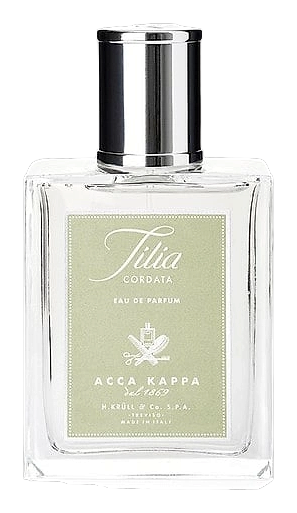
Linden trees line the streets of Treviso, the city where Acca Kappa was born in 1869. Luca Maffei built Tilia Cordata around a note that rarely gets to center stage, the small-leafed linden blossom, delicate and underused in Western perfumery. He wanted to translate the specific feeling of standing beneath one in bloom: the quiet intimacy, the green air, the way it feels like a memory before you've finished smelling it.
Linden blossom doesn't behave like other florals. It lacks the drama of rose or the creaminess of jasmine, it's quieter, greener, with a honeyed sweetness that almost reads as mineral. Maffei didn't try to amplify it into something it isn't. He gave it magnolia for body, jasmine for warmth, and rose for softness, then let the linden speak in its own register. The result is a floral that smells like the actual flower, not an interpretation of one.
The evolution
The opening hits bright and sparkling, bergamot, neroli, petitgrain, and lemon all arriving at once, a citrus chorus that reads like sunlight through glass. It doesn't linger. Within twenty minutes the linden blossom asserts itself, pushing the citrus aside with the quiet authority of something that knows it belongs at the center. The magnolia and jasmine layer in, creating a lush but controlled heart that lasts for hours. Then the drydown arrives: cedarwood and white musk with a whisper of amber and tonka. Not loud. Not dramatic. Just warm, close, and present, the kind of skin-scent that someone standing beside you will notice before someone across the room.
Cultural impact
Tilia Cordata found its audience in people tired of fragrances that perform. Wearers describe it as the scent of someone who walks into a room and doesn't need to announce themselves. It's become a quiet reference point for those who want florals without drama, a counterpoint to the louderorientals and blockbusterflorals that dominate the market.