
The Story
Why it exists.
The beginning
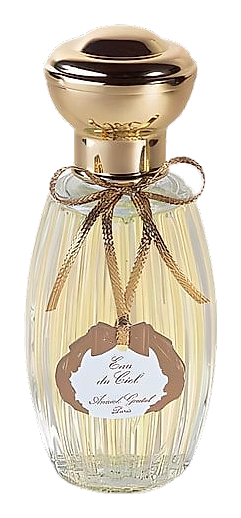
"Eau du Ciel" translates to water of heaven, sky captured in a bottle. Annick Goutal designed this 1985 composition as a study in air and clarity, a fragrance meant to feel like atmosphere rather than perfume. The name suggests something falling from above, mist or light rain, the kind of weather that makes French gardens glow. Goutal worked in the autobiographical tradition, translating feelings into scent, this one took the idea of openness itself as its subject, a fragrance built from absence as much as presence.
The violet leaf and neroli pairing is what makes this work. Most fragrances commit to one register, powdery or fresh, green or floral. Eau du Ciel achieves both through a tension between violet leaf's cool, almost mineral greenness and the warm, indolic depth of neroli and orange blossom. It's an unusual balance, and one that requires the ozonic quality threading through the composition to hold everything together. The result smells like the moment between rain and sunshine, uncertain, fleeting, entirely itself.
The evolution
The opening hits immediately: linden blossom upfront, bright and slightly oily, with the green edge of crushed leaves rather than any sweetness. Brazilian rosewood adds warmth beneath. The top lasts maybe ten minutes before violet leaf takes over the green character, softening it considerably. Neroli introduces a clean, slightly bitter orange blossom note. Iris adds powdery depth. The heart lasts two to three hours, the green-floral-powdery balance holding steady. The drydown strips back to white musk and the ghost of linden, faint and intimate on skin.
Cultural impact
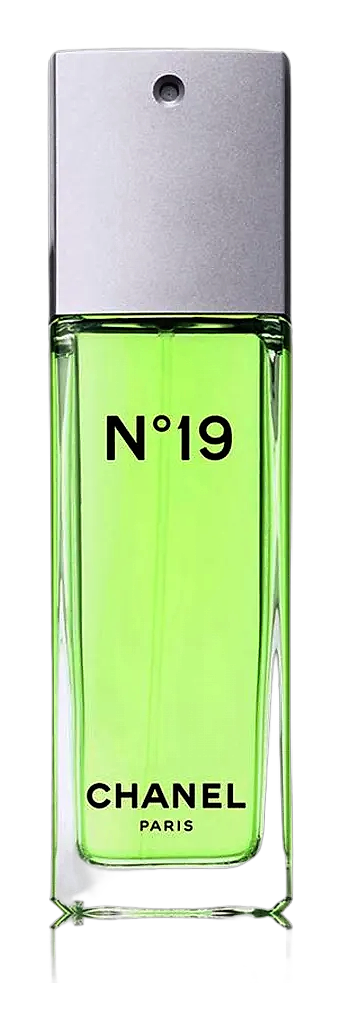
Eau du Ciel occupies a particular corner of the fragrance world: green florals with vintage character and powdery restraint. It's not as austere as Chanel No. 19 or as well-known as Deneuve, but for those who know it, it represents something specific, a French garden in spring, cool and intimate, for someone who notices what others walk past. The fragrance has no particular cultural moment it belongs to, which is part of its appeal. It's timeless without being classic, specific without being narrow.