
The Story
Why it exists.
The beginning
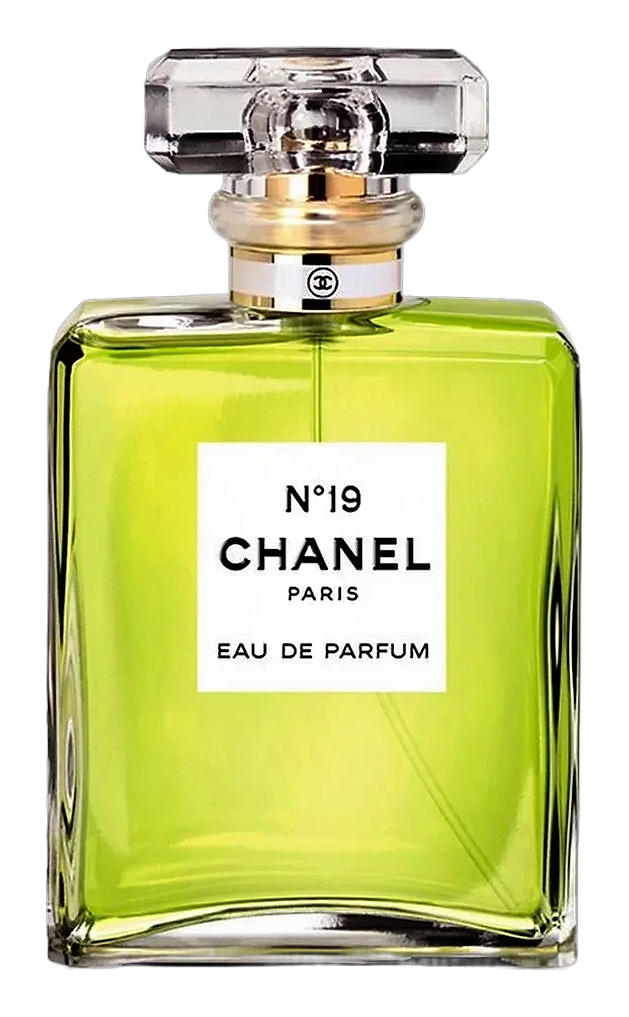
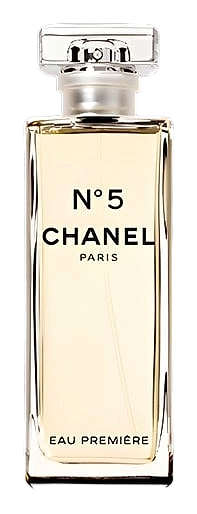
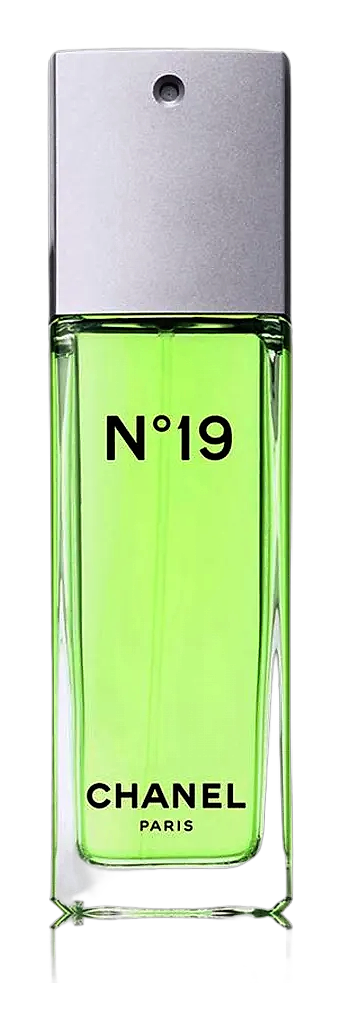
Chanel spent over a century building a fragrance identity rooted in abstraction and intention. N°5 challenged everything floral; N°19 challenged the challenger. In 1970, when Coco Chanel was 87 years old, she released a fragrance named for her own birth date, August 19th. The house had already redefined what perfume could be, but N°19 pushed further. Henri Robert, who also composed N°5 Eau Première, understood that the assignment was not to flatter but to assert. The green opening, the powdery iris heart, the mossy leather base, each element declared something about the woman who wore it. This was not perfume as accessory. This was perfume as stance.
The note structure reflects a specific philosophy: open sharp, soften deliberately, end with quiet authority. Galbanum and hyacinth create an opening that is deliberately challenging, not immediately likable. The iris heart, with its powdery elegance, bridges the aggression of the opening and the depth of the base. Oakmoss, vetiver, and leather anchor the fragrance in a chypre tradition that Chanel helped define. This is not a fragrance that tries to please everyone. It asks something of the wearer and rewards those who stay with it.
The evolution
N°19 begins with galbanum's bitter-green intensity cutting through like a blade, hyacinth adding an almost aquatic freshness while bergamot and neroli offer momentary brightness. As the top notes recede, iris takes command with its distinctive powdery, violet-like quality, orris root grounding it with earthy depth. Rose and ylang-ylang bloom softly within the heart while lily of the valley and narcissus keep the composition anchored in green restraint. The drydown marks a transition to classic chypre territory where oakmoss and vetiver create depth, leather and cedarwood impose structure, and musk with sandalwood provide an intimate, lingering warmth.
Cultural impact
N°19 exists outside the usual Chanel conversation. Less discussed than N°5, less worn than Coco Mademoiselle, less debated than Bleu de Chanel. That relative quiet suits a fragrance that rewards attention rather than demanding it. The galbanum-iris contrast is distinctive enough to polarize. Some find the opening confrontational, green and sharp, a challenge to expectations. Others find it remarkable, precisely the kind of boldness that separates something worth wearing from something merely pleasant.