
The Story
Why it exists.
The beginning
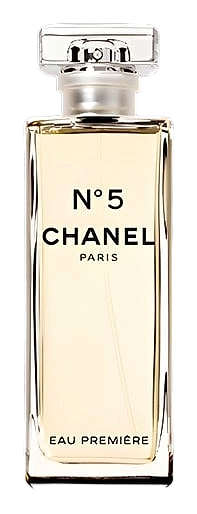
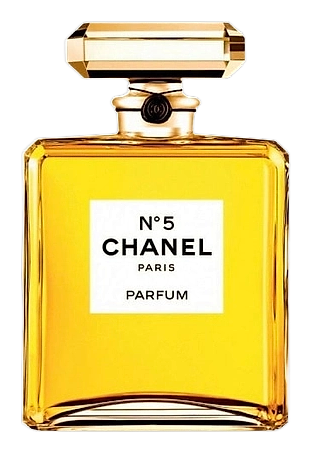
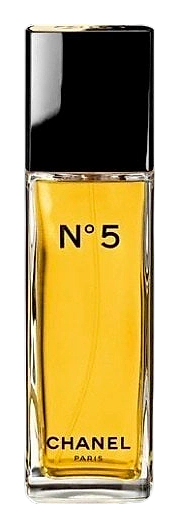
In 1921, perfumer Ernest Beaux delivered an aldehyde-heavy composition for Chanel that was numbered 5 and introduced to the Paris market as something unlike the typical floral arrangements found in boutique windows at the time. Its aldehydic character gave it a distinctive, unconventional presence that immediately set it apart. The fragrance was not merely a product but a statement about modernity in perfumery, using synthetic aldehydes to create effects that natural materials alone could not achieve.
Chanel sources specific May rose and Grasse jasmine varietals for use in No 5, selecting raw materials with careful attention to origin and quality. This meticulous approach to ingredient selection reflects a commitment to maintaining the fragrance's character across decades. The aldehydes, jasmine, rose, and iris work in concert to create the signature powdery floral signature, while the drydown ingredients of amber, sandalwood, vanilla, and vetiver provide the warm, lasting foundation that makes the fragrance recognizable on skin long after application.
The evolution
The fragrance unfolds as a journey from sparkling aldehydic citrus to powdery floral opulence to warm, woody comfort. The opening starts with aldehydes that provide an almost fizzy quality, lifted by bergamot and lemon for brightness and grounded slightly by neroli. As the heart develops, jasmine and rose take center stage, their floral richness amplified by iris powder and lily of the valley freshness. The drydown completes the arc by introducing warmth through amber and vanilla, depth through sandalwood, and earthiness through vetiver, creating a finish that lingers close to the skin for hours.
Cultural impact
The bottle design, created by Jean Helleau in 1924, was acquired by the Museum of Modern Art in 1959. Marilyn Monroe's comment to a journalist in 1954 that she wore only a few drops of No 5 to sleep delivered more cultural reach than any campaign. The fragrance established a new vocabulary for perfume composition, and its aldehydic structure influenced subsequent fragrance development. No 5 remains a reference point for designers exploring non-traditional perfumery approaches.