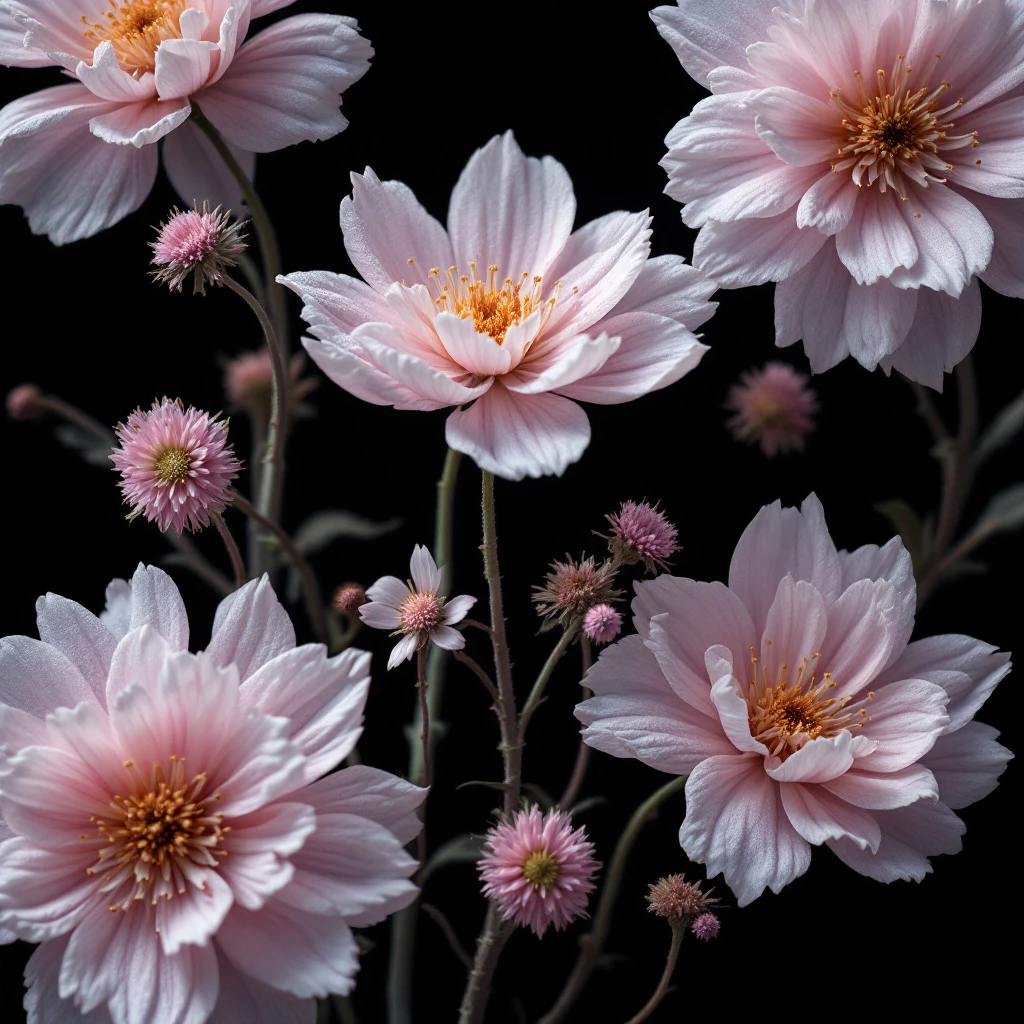
Orris Root
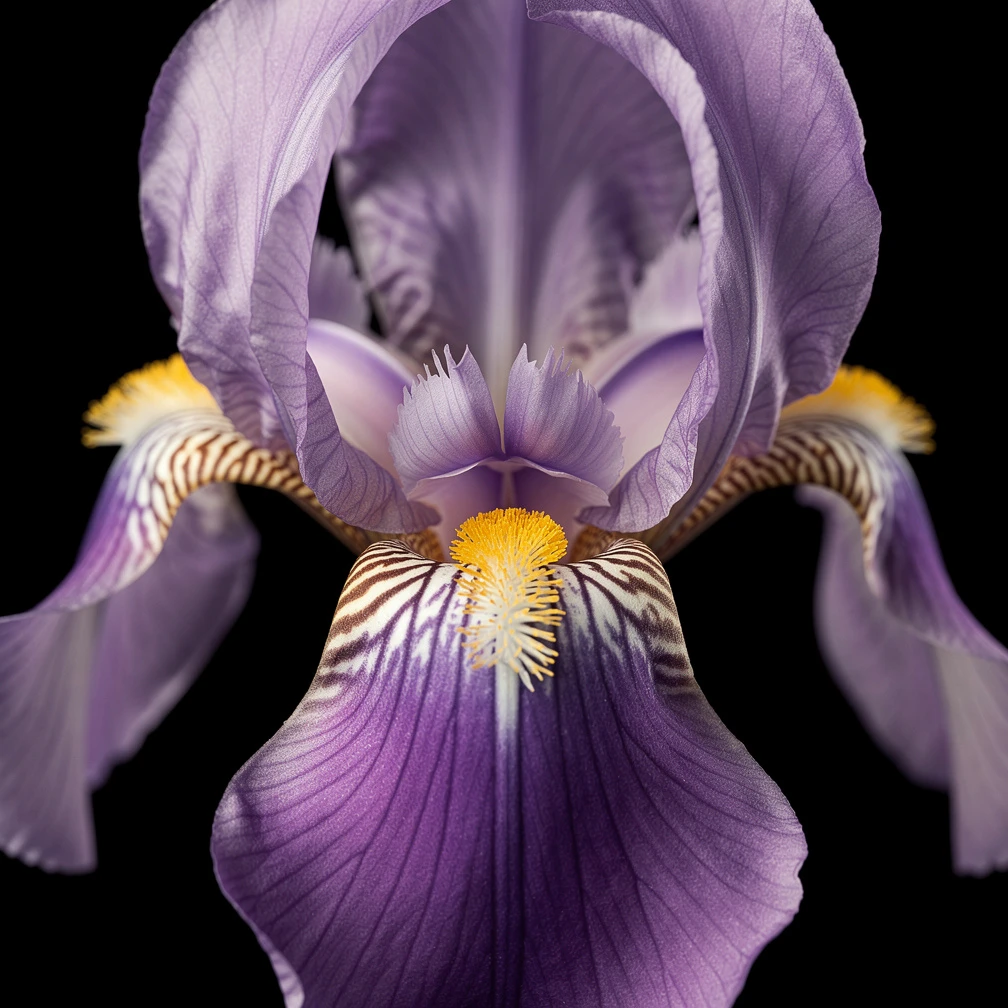
Orris root is the dried rhizome of Iris pallida and Iris germanica, prized in perfumery for its powdery, violet-like scent. It anchors base notes with a soft, earthy warmth that lingers for hours on skin.
Character
How it smells
Six years in the soil. A lifetime of fragrance.
Orris butter was once valued at more than gold by weight, and the rhizomes must age three to five years after harvest before their scent fully develops.









Origin
Italy
Orris traces its fragrant lineage to ancient Egypt, where iris rhizomes appeared in unguents and ceremonial oils. The Greeks and Romans prized iris as a aromatic cornerstone, and by the Renaissance, orris had become a staple of European perfumery. Catherine de Medici brought the Italian fascination with orris to the French court in the sixteenth century, where it dominated royal cosmetics and powders for centuries.
Elizabeth I of England reportedly adored the scent so deeply that orris root carried her name: Queen Elizabeth Root. During the Victorian era, orris powdered skin, sachets, and pomanders defined an entire olfactory aesthetic. The ingredient declined in the twentieth century as synthetic alternatives emerged, but artisan perfumers revived demand for natural orris in the late 1990s.
Today, Tuscan cooperatives still cultivate Iris pallida on terraces near San Polo, preserving a centuries-old agricultural tradition tied to one of perfumery's most storied materials.
Wears it best
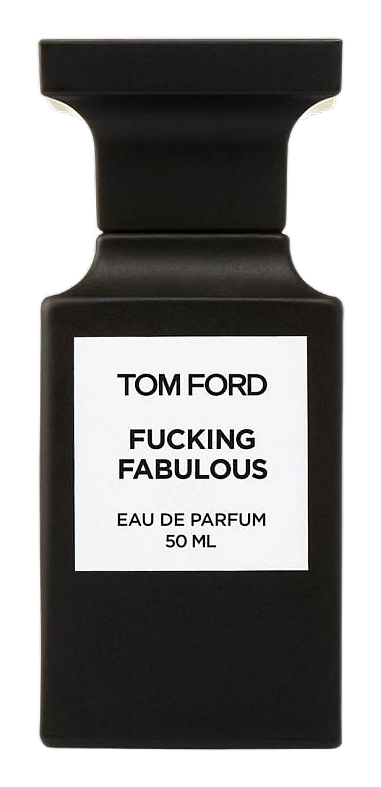
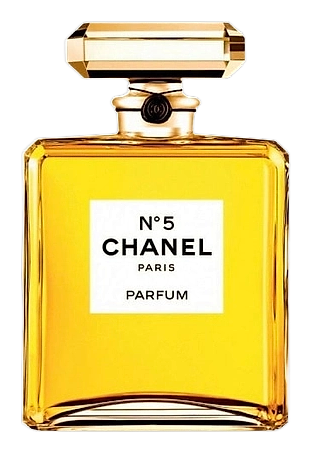
Fragrances featuring Orris Root


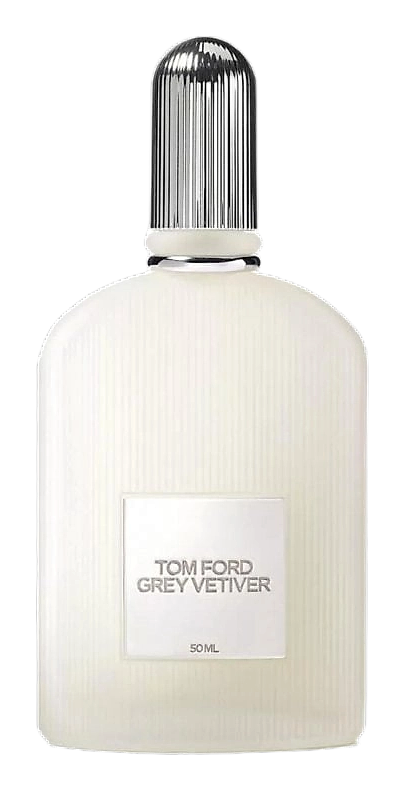
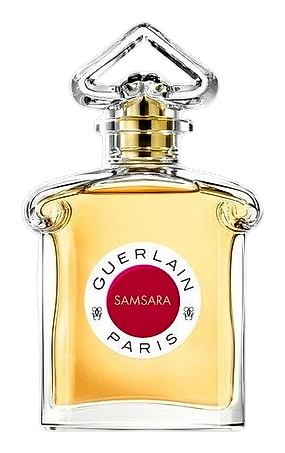

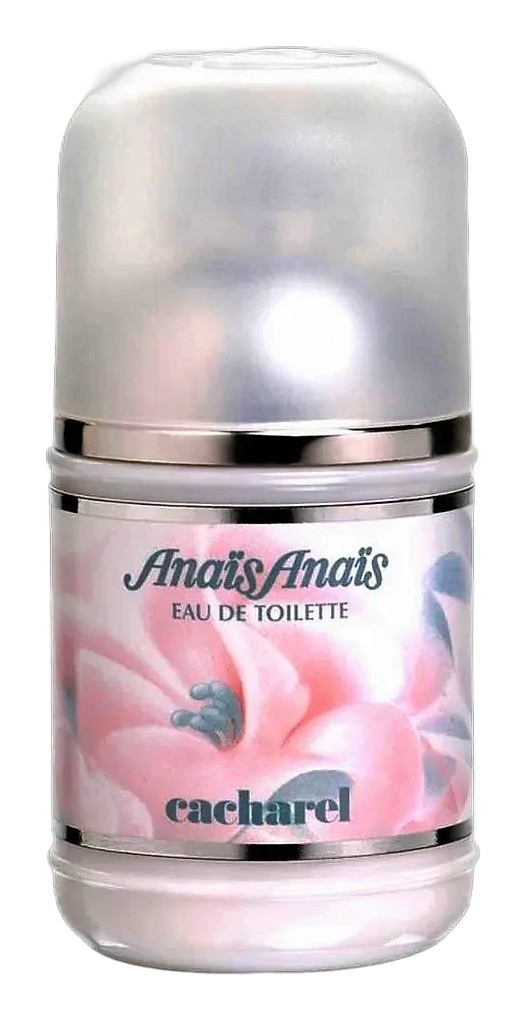


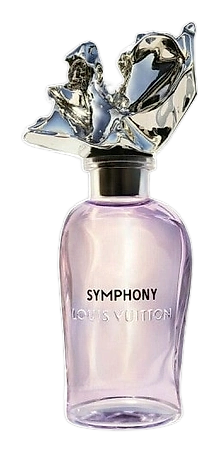
Brands
Brands known for Orris Root
Good to know
Questions, answered
The essentials on Orris Root in perfumery: how it smells, where it comes from, and how it behaves on skin.
What does orris root smell like?
Orris root carries a powdery, violet-like aroma with soft floral and earthy undertones. Some detect hints of carrot and suede. The scent is subtle and refined, making orris a prized fixative that adds depth without dominating a composition.
Why is orris root so expensive?
Orris requires three to five years of field growth plus an additional three to six years of drying. Each kilogram of orris butter demands roughly 200 kilograms of rhizomes. This lengthy, labor-intensive process positions orris among perfumery's most costly naturals.
How long does orris root take to mature?
Iris rhizomes need at least three years in soil before harvest. After lifting, they undergo a mandatory curing period of three to five years in storage, meaning a single batch can take six to eight years from planting to usable material.
Where is orris root primarily cultivated?
Tuscany, especially the San Polo region near Florence, leads global orris production. Secondary cultivation zones include Morocco, China, and parts of the Balkans, though Italian Iris pallida remains the benchmark for quality.
What is orris butter?
Orris butter is a waxy, aromatic solid produced by steam-distilling orris concrete. It contains approximately 85% myristic acid along with irones, the molecules responsible for its distinctive violet scent. It anchors countless classic perfumes.
Is orris root a base or top note?
Orris functions as a base note with exceptional fixative properties. Its heavy molecular structure slows the evaporation of lighter top and heart notes, extending a perfume's longevity on skin and lending compositions a soft, persistent finish.
Are orris and iris the same thing?
Yes. Orris refers specifically to the root or rhizome of certain iris species, primarily Iris pallida and Iris germanica. The flowers themselves carry a different scent profile, while orris describes the aromatic material harvested underground.
Can orris root be synthetically replicated?
Synthetic irones, including alpha-isomethyl ionone and beta-ionone, approximate orris scent at lower cost. However, perfumers often argue that fully reproducing orris's complex, powdery nuance remains elusive, keeping natural orris in high demand.