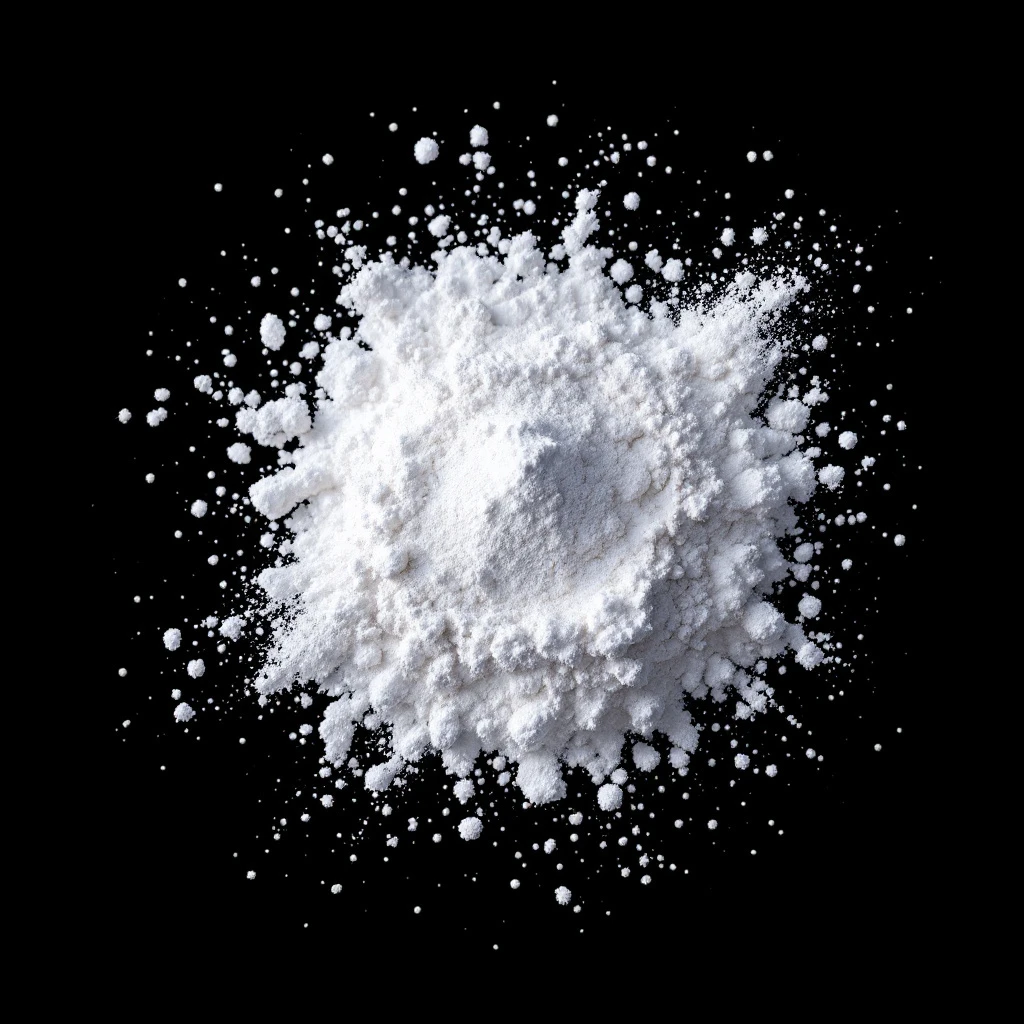
Iris Powder
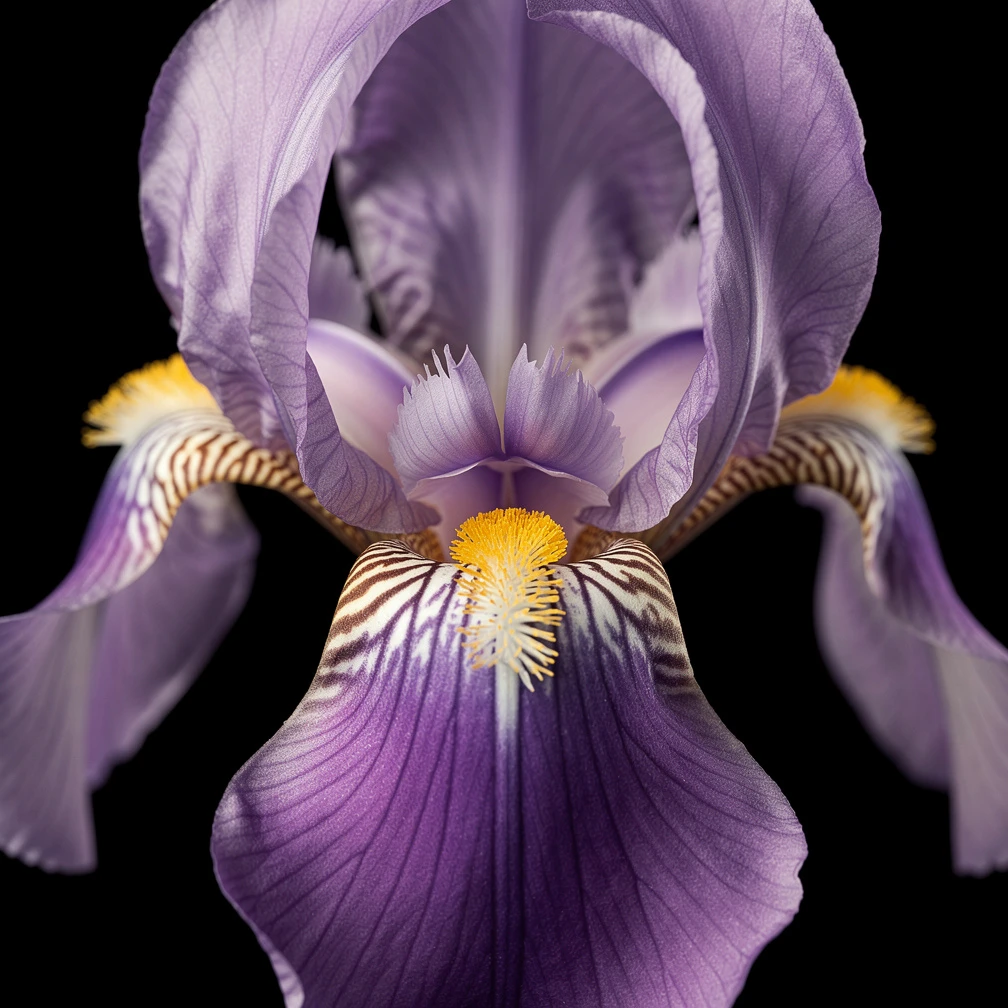
Orris is the powdered essence of aged iris rhizomes. Behind its subtle, violet-like powderiness lies one of perfumery's most painstaking processes: six years of cultivation and curing before a single note reaches the bottle.
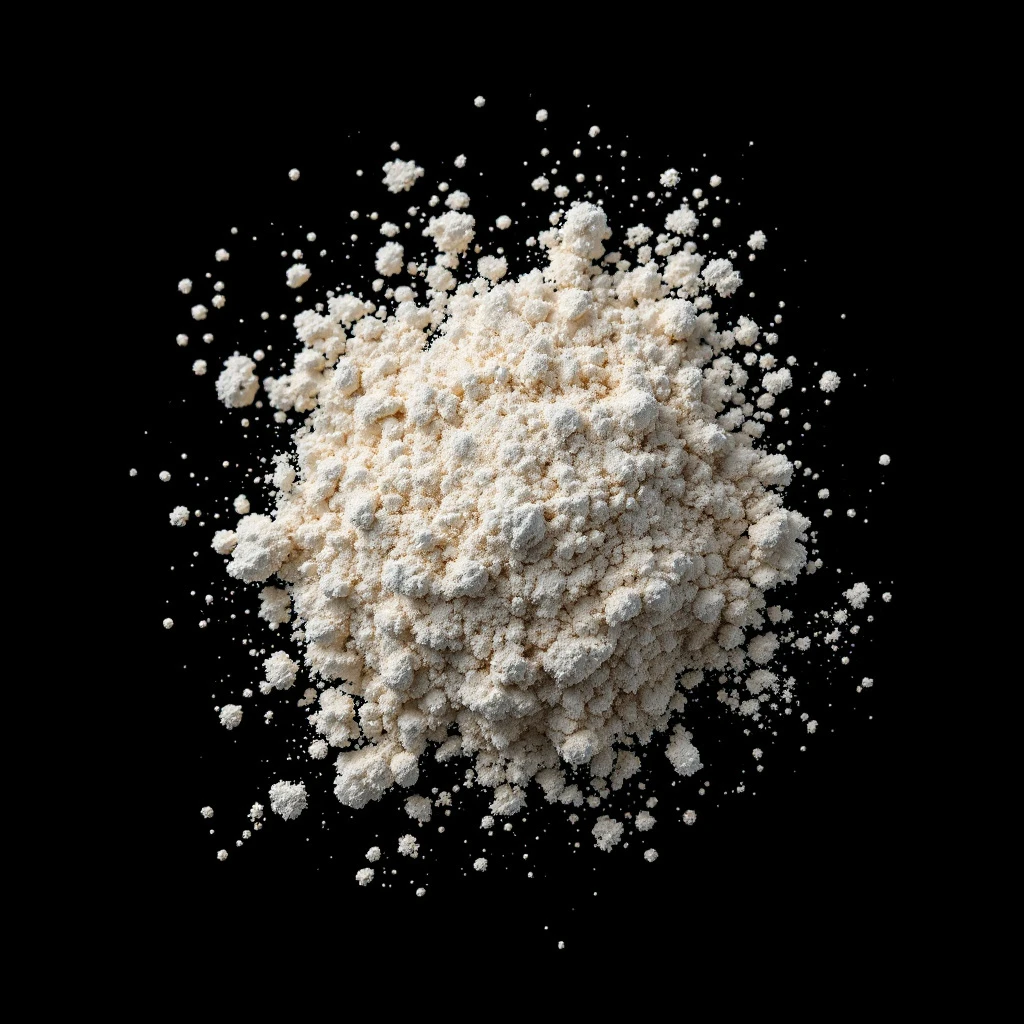
Character
How it smells
Six years. One scent. Priceless.
A single kilogram of orris absolute may require processing over a tonne of dried rhizomes, making it far rarer than rose or jasmine.




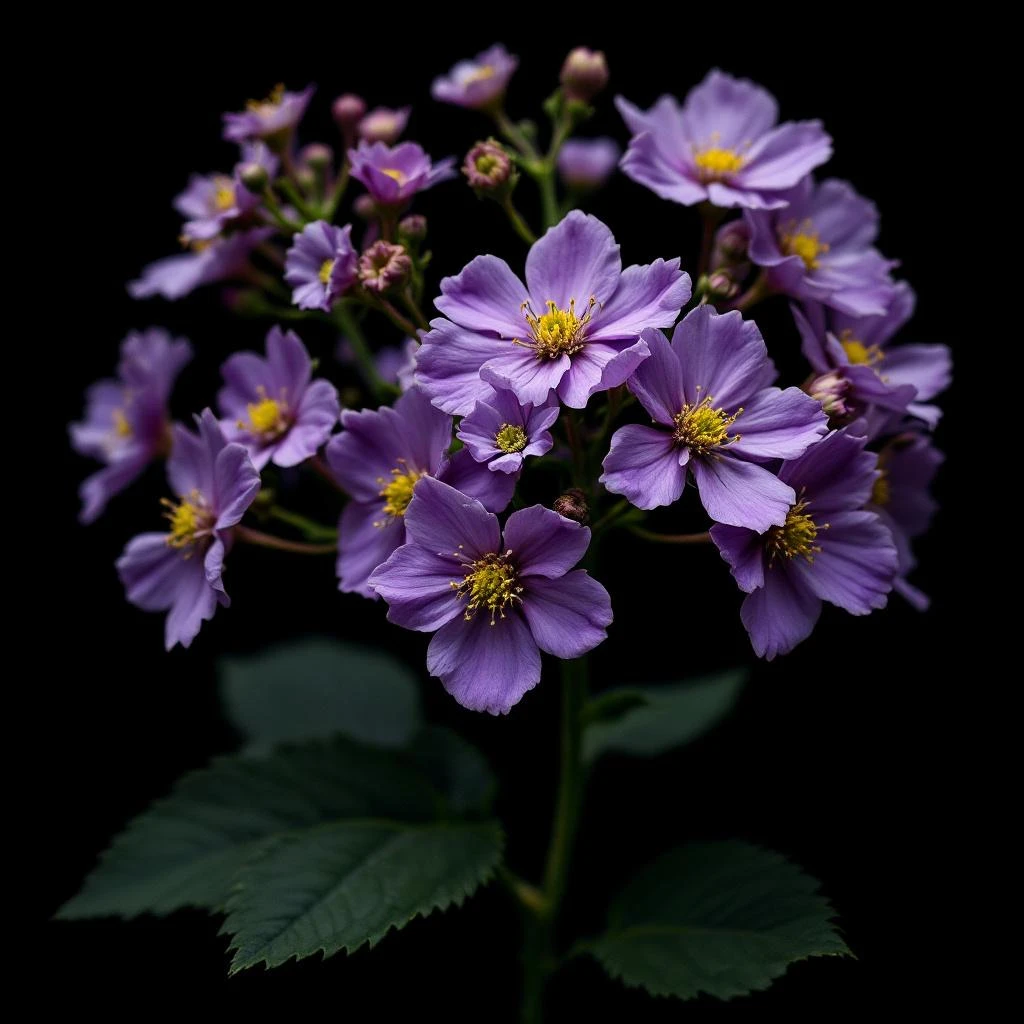
Origin
Italy
The use of orris in perfumery stretches back to Renaissance Florence, when Catherine de Medici is said to have brought iris root preparations to the French court in the 16th century. At the time, perfumers used dried orris rhizomes to make scented sachets and toilet waters, prized for their delicate powderiness centuries before modern extraction existed.
The iris plant itself originates from Central Europe and the eastern Mediterranean, though cultivation gradually concentrated in Italy, where Florentine perfumers refined techniques for preparing the rhizomes. By the 19th century, French perfumers had adopted these methods, using distilled orris essence to craft soft, elegant fragrances that became popular across Europe. The ingredient held court in everything from archival formulations to early colognes.
Orris never lost its status. It remained a hallmark of luxury perfumery through the 20th century and continues to appear in contemporary creations as both a natural material and a reference point for high-quality synthetics. Its name survives in the language of perfumery: the word "orris" now universally denotes iris root used in fragrance, a quiet tribute to its centuries-old pedigree.
Wears it best
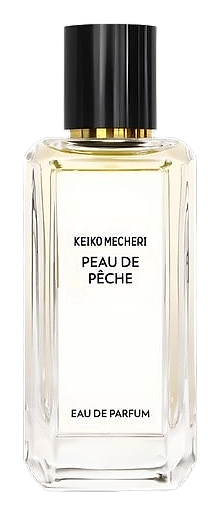
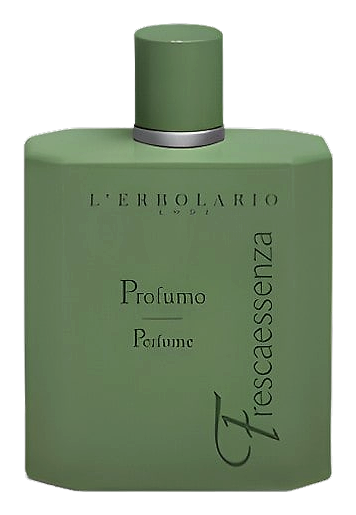
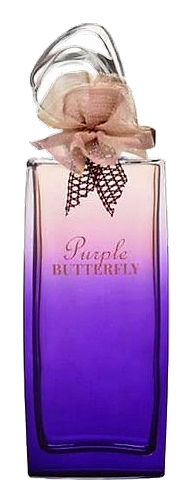
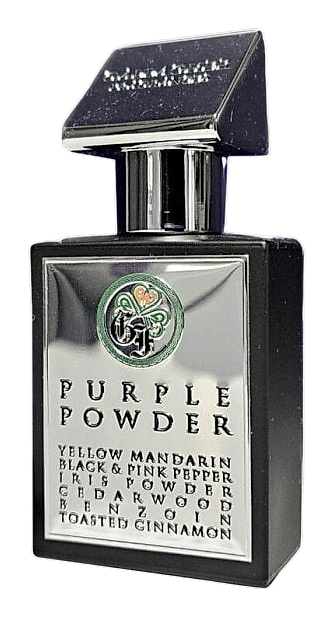
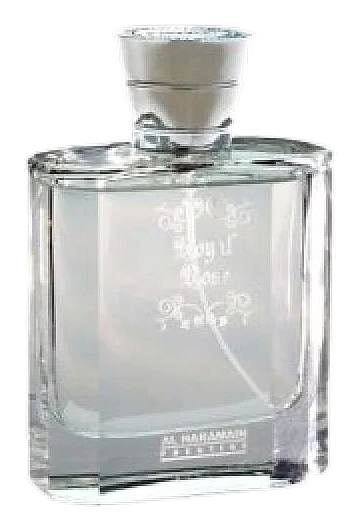
Fragrances featuring Iris Powder
Brands
Brands known for Iris Powder
Good to know
Questions, answered
The essentials on Iris Powder in perfumery: how it smells, where it comes from, and how it behaves on skin.
Is orris the same as iris powder?
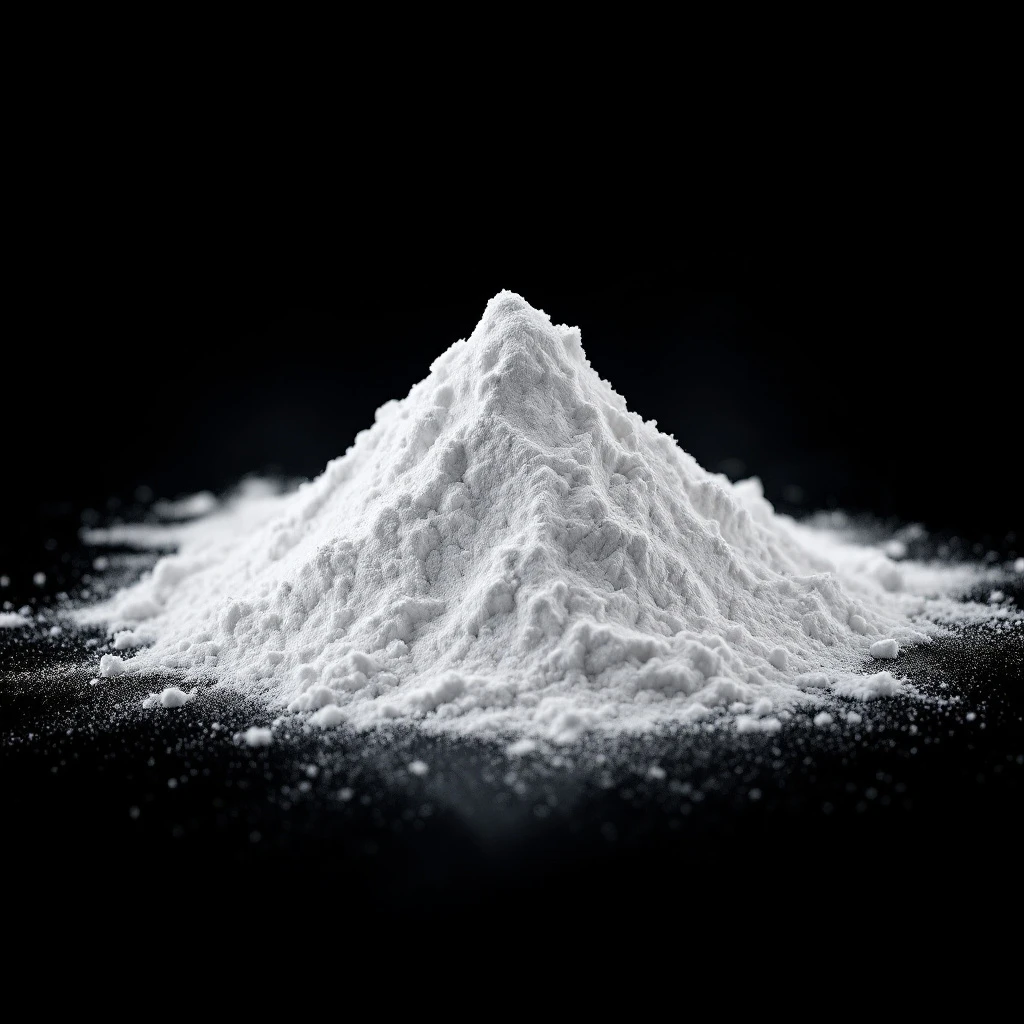
In perfumery, orris refers specifically to the powdered, aged root of the iris plant. Iris powder describes the same material in its raw, dry form before extraction.
What does orris smell like?
Orris smells powdery, soft, and floral with a buttery warmth that resembles the scent of violets. The effect is clean, elegant, and lingering on skin.
Why is orris the most expensive ingredient in perfumery?
It takes approximately six years from planting to extraction. Rhizomes must dry for two to three years before processing, and yields are low, making every kilogram extraordinarily costly.
Where does orris come from?
Italy and Morocco produce the finest orris today. The Chianti region of Tuscany and the Moroccan highlands supply the majority of world output.
When did perfumers start using orris?
Catherine de Medici is credited with bringing iris root preparations to the French court in the 16th century, though the ingredient had been used in Italian perfumery well before then.
Is synthetic orris available?
Yes. Synthetic alternatives such as alpha-irone and iris compounds replicate parts of the scent profile. Natural orris remains preferred in luxury fine fragrance for its complexity and depth.
What fragrance families use orris most?
Orris appears in powdery florals, chypres, and aldehydic compositions. It works especially well alongside rose, violet, sandalwood, and white musks.
Does iris absolute differ from orris resinoid?
Both derive from aged rhizomes. Absolute iris is the alcohol-soluble extract, while orris resinoid is a more concentrated solvent extract. Resinoid tends to be richer and longer-lasting in blends.