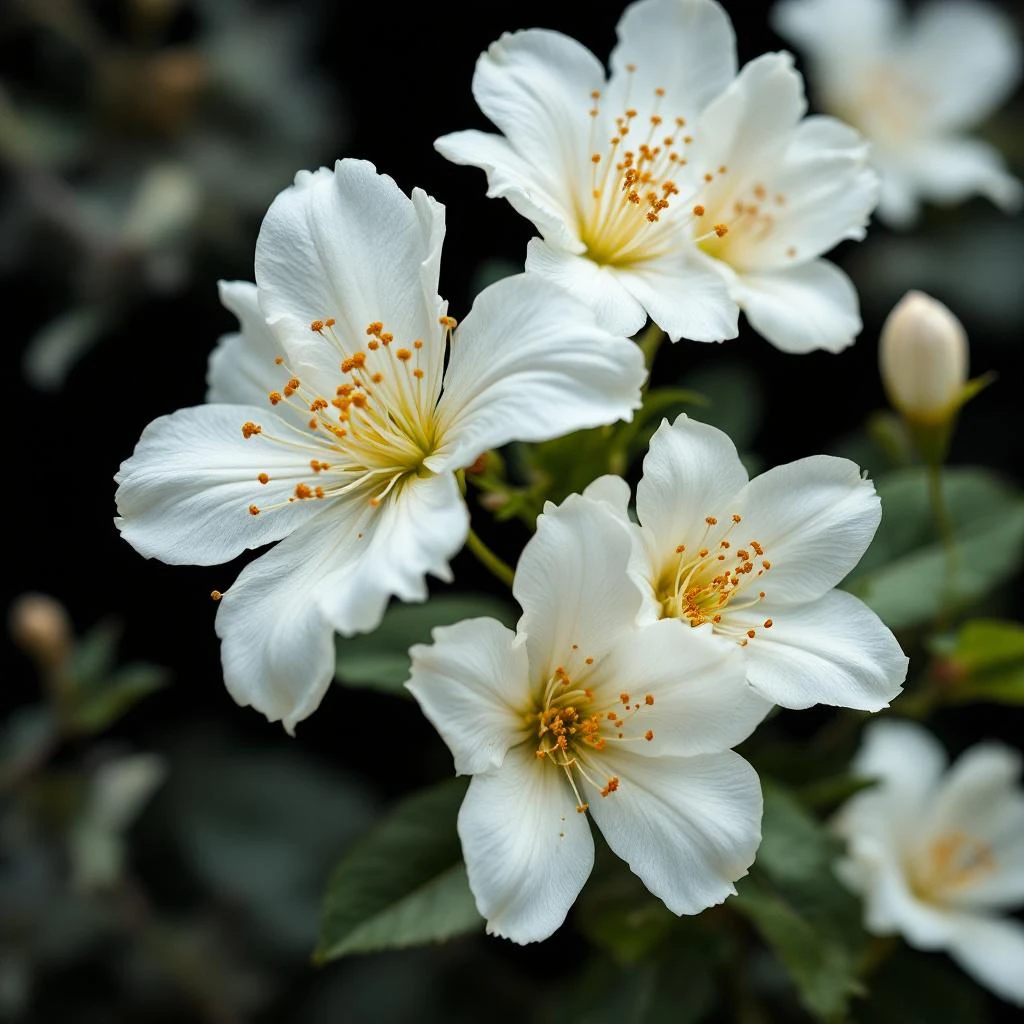
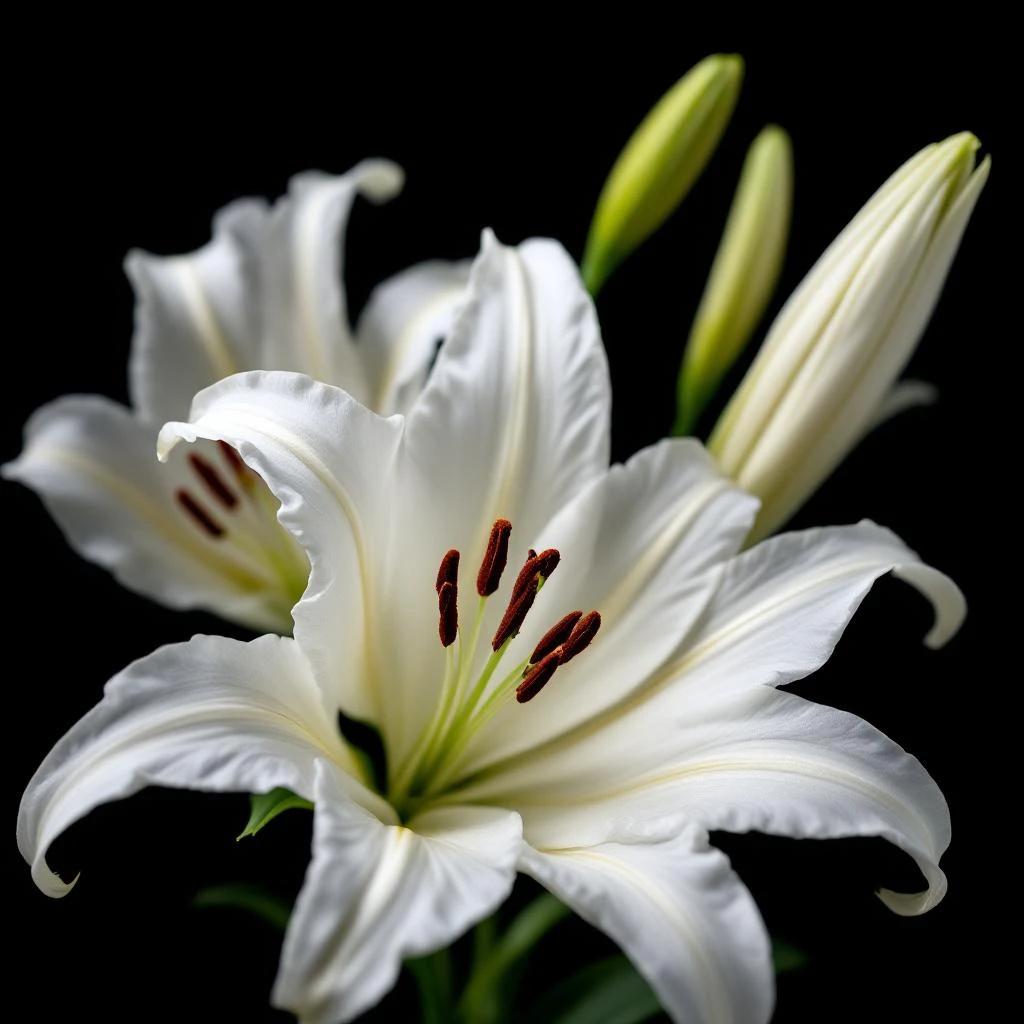
Freesia
Freesia brings a crisp, green-floral brightness to perfumery, a cool petal note with hints of rain-washed stems. Native to South Africa and named for a 19th-century German physician, this Iridaceae bloom is almost always reconstructed in the lab rather than distilled.
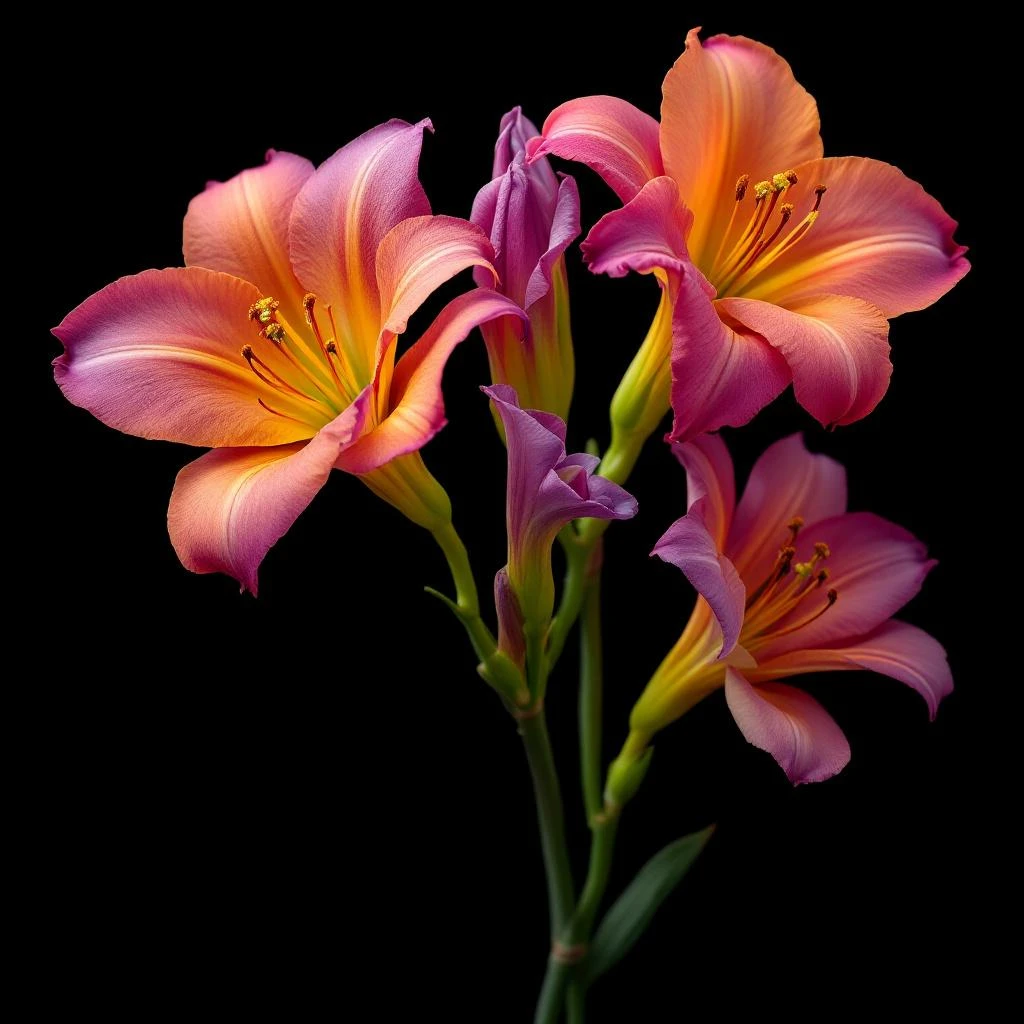
Character
How it smells
Cool petals, dewy stems, and a whisper of spring
Almost no freesia fragrance comes from actual freesia flowers, since the bloom yields too little oil; perfumers reconstruct its scent using synthetic aroma chemicals.









Origin
South Africa
Freesia takes its name from Friedrich Heinrich Theodor Freese, a 19th-century German physician from Kiel, though the flower was first documented in South Africa by the Swedish botanist Carl Peter Thunberg during his late-18th-century travels through the Cape. The plant belongs to the Iridaceae family, the same as iris and saffron, and grows from corms in the winter-rainfall regions of the Western Cape Province. Freesias entered European horticulture in the 1830s and became prized greenhouse plants by the Victorian era, bred for their funnel-shaped blooms in white, yellow, and violet.
Their perfumed character was noted early, but the flower's fragility and low oil yield made it a poor candidate for traditional extraction methods like enfleurage or distillation, techniques already ancient when Persians first developed them over a millennium ago. Freesia's breakthrough as a perfumery note arrived only in the late 20th century, when headspace analysis allowed chemists to capture and reconstruct its scent molecule by molecule. Before that, perfumers could only approximate freesia through blends of other florals.
Today it ranks among the most recognizable synthetic floral accords in fine fragrance.
Wears it best
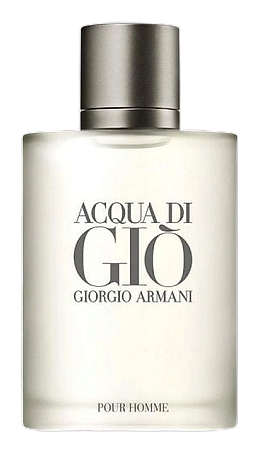
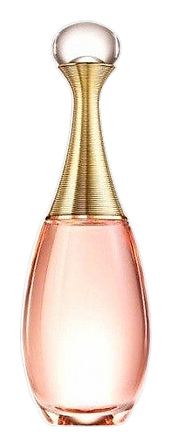
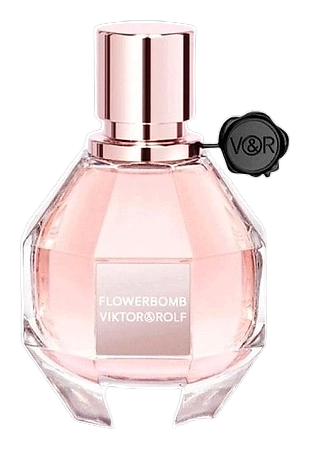
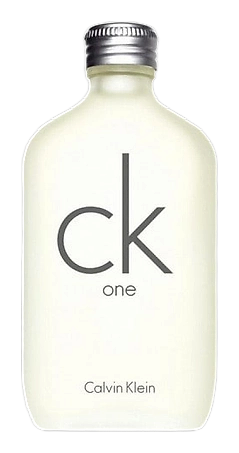
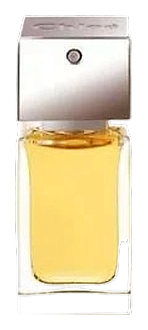
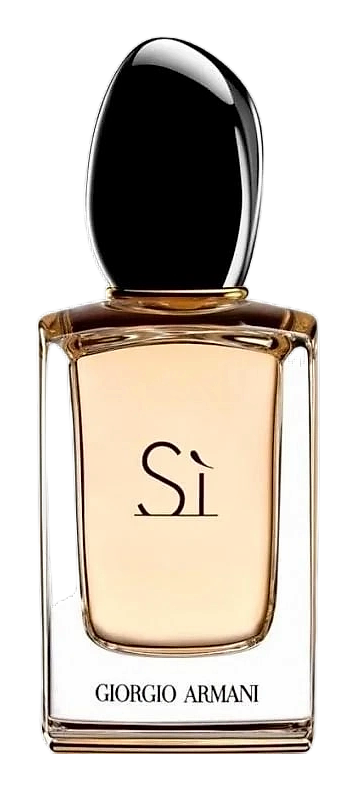
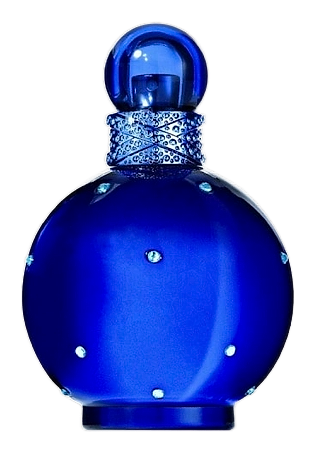
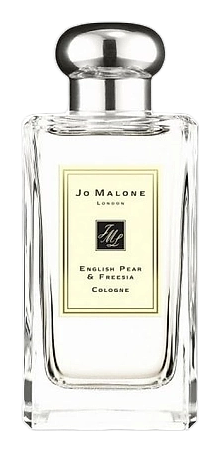
Fragrances featuring Freesia



Brands
Brands known for Freesia
Good to know
Questions, answered
The essentials on Freesia in perfumery: how it smells, where it comes from, and how it behaves on skin.
What does freesia smell like in perfume?
Freesia smells crisp, green, and lightly floral with dewy, watery freshness and a subtle peppery lift. It lacks the indolic warmth of jasmine or the density of rose, reading instead as cool and airy.
Is freesia a natural or synthetic perfume ingredient?
Nearly all freesia in modern perfumery is synthetic. The natural flower yields too little oil for commercial extraction, so perfumers reconstruct it using headspace-captured molecules and aroma chemicals.
Where does freesia originate?
Freesia is native to the Western Cape Province of South Africa, where it grows from corms in winter-rainfall fynbos habitats. Swedish botanist Carl Thunberg first documented it in the late 18th century.
How is freesia extracted for perfume?
Freesia is captured using headspace technology developed in the 1970s, which analyzes the scent molecules a living flower releases. Chemists then recreate that profile synthetically, since the bloom produces negligible essential oil.
What perfumes feature freesia as a key note?
Freesia appears in many popular fragrances including Marc Jacobs Daisy, where it provides the opening's green-floral lift. It is also a common accent in spring and floral compositions across both designer and niche ranges.
Who was freesia named after?
Freesia was named after Friedrich Heinrich Theodor Freese, a 19th-century German physician from Kiel. The flower was classified shortly after European botanists encountered it in South Africa in the 1830s.
What fragrance family does freesia belong to?
Freesia is classified as a floral note with green and watery facets. It bridges green top notes and white-floral heart notes, adding freshness without the sweetness of rose or ylang-ylang.
Can freesia essential oil be purchased?
True freesia essential oil is extremely rare and expensive due to the flower's low oil yield. Most products labeled 'freesia oil' are either synthetic reconstitutions or fragrance oils blended to mimic the scent.