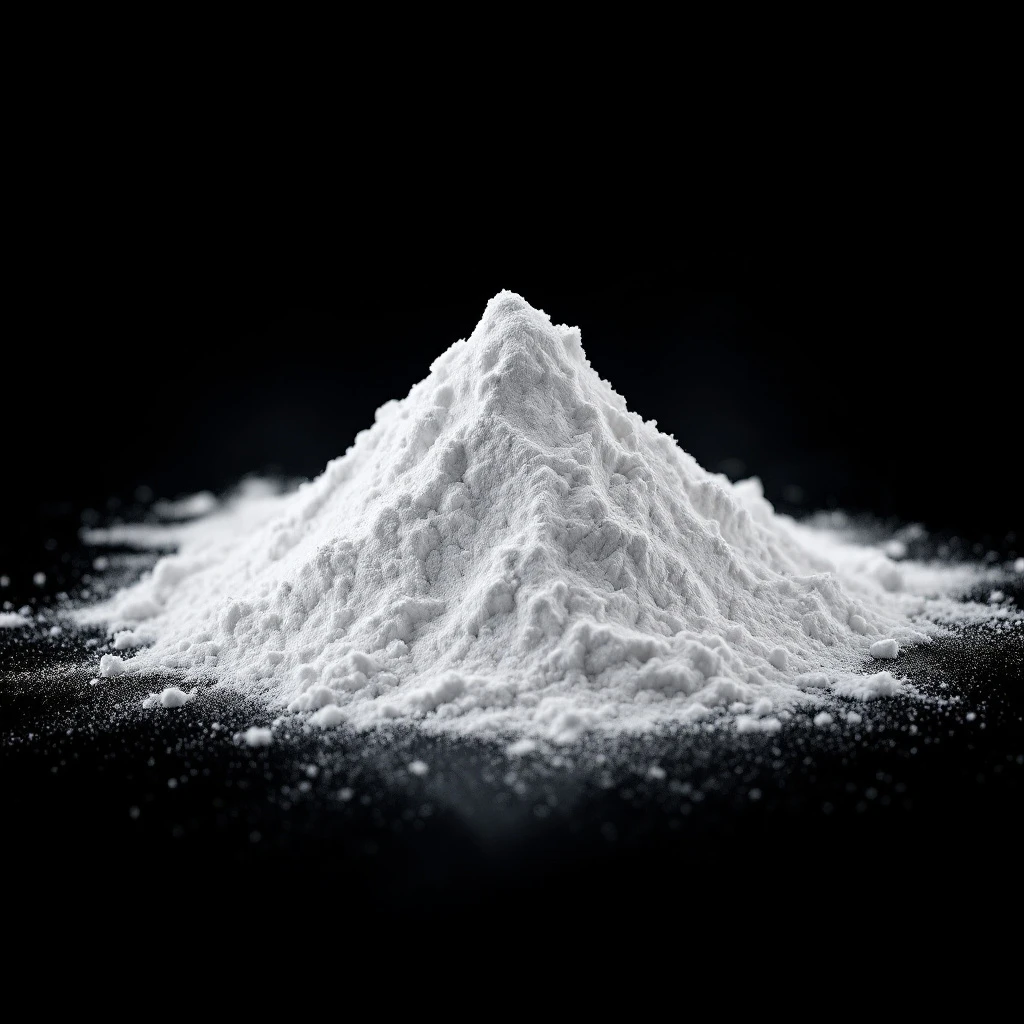
Talcum
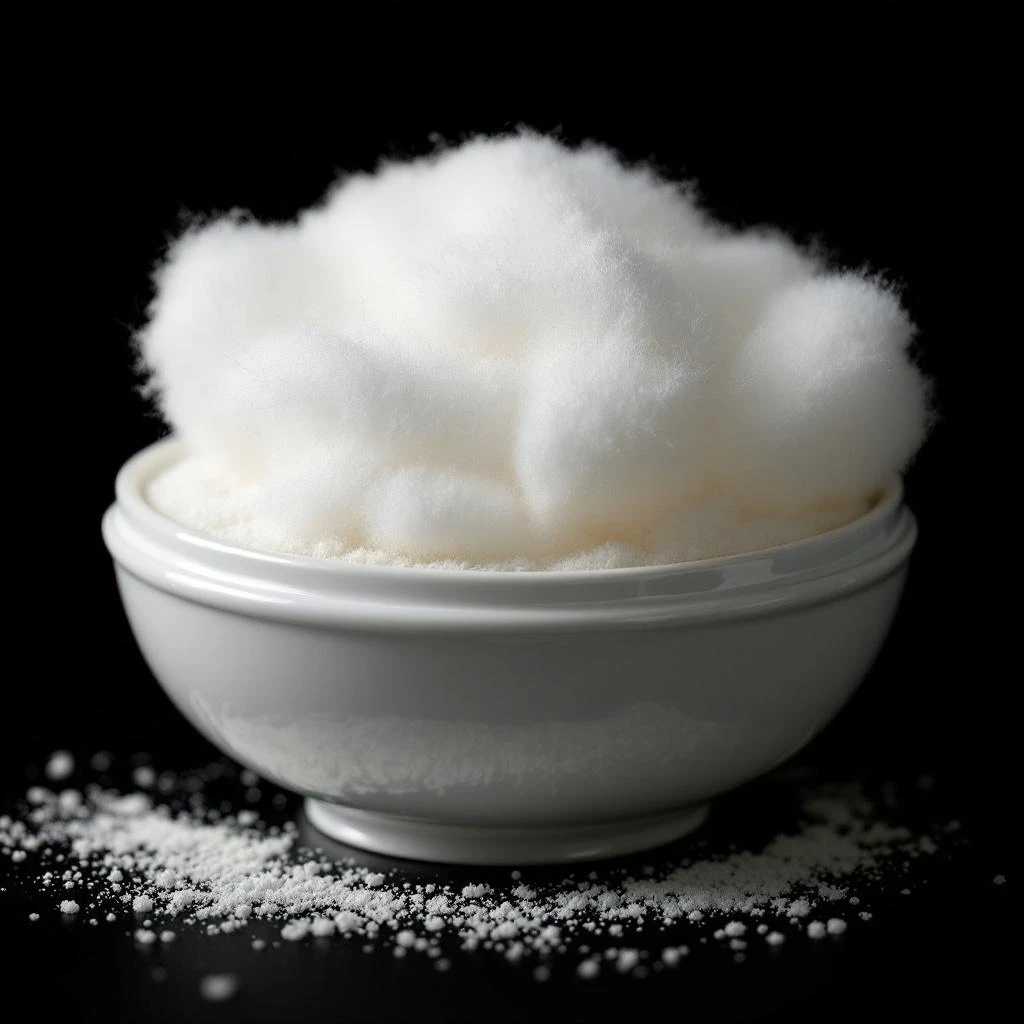
Talcum brings a soft, powdery warmth to fragrance, evoking freshly pressed linen and skin after bathing. This mineral note grounds compositions with a clean, comforting presence.
Character
How it smells
Soft as skin, clean as linen
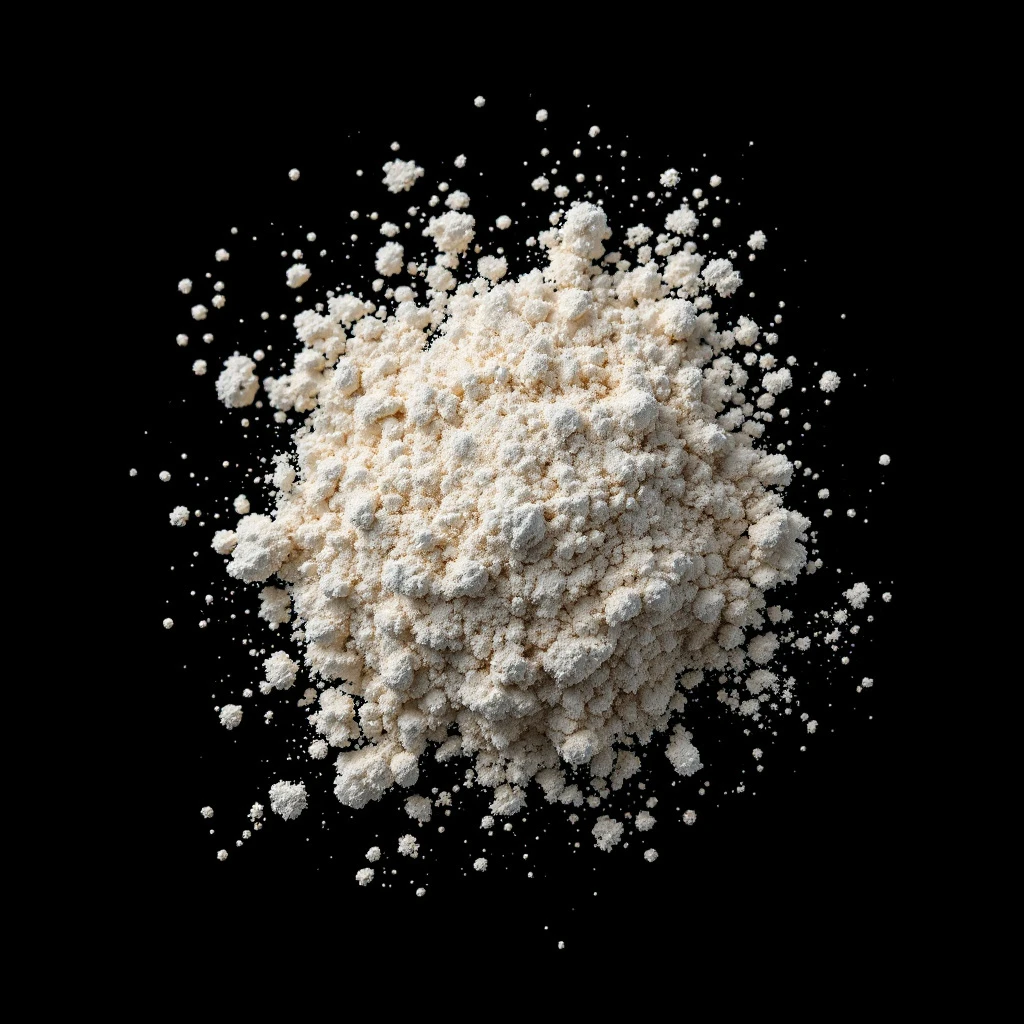
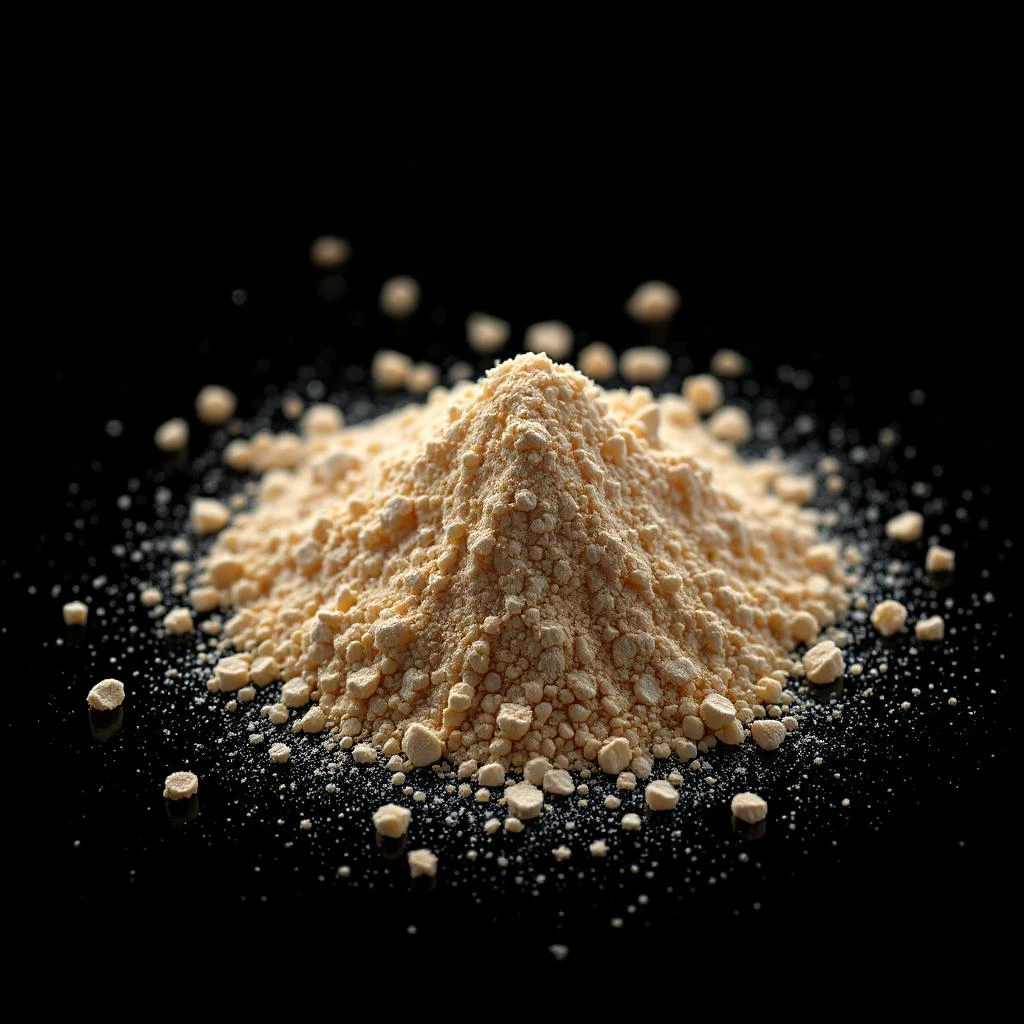
Talcum powder was historically made from soapstone, the same soft rock used by sculptors for thousands of years before cosmetics adopted it.







Origin
France
Talc is one of the oldest minerals exploited by humans. Archaeological sites across Europe and Asia reveal talc-based carvings dating back over 30,000 years, from prehistoric Venus figurines to Egyptian cosmetics.
Ancient Egyptians ground talc into face powders and body pastes, valuing its ability to absorb moisture and soften skin. By the late 19th century, Italian and French perfumers recognized that this clean, powdery quality translated beautifully into fragrance compositions, particularly in floral and aldehydic perfumes designed to evoke freshly powdered skin.
The association between talc and intimate grooming became deeply embedded in Western beauty culture through the 20th century. Today, perfumers recreate that sensation synthetically, preserving a sensory tradition that stretches back to the earliest cosmetic rituals while avoiding modern concerns around mineral sourcing.
Wears it best
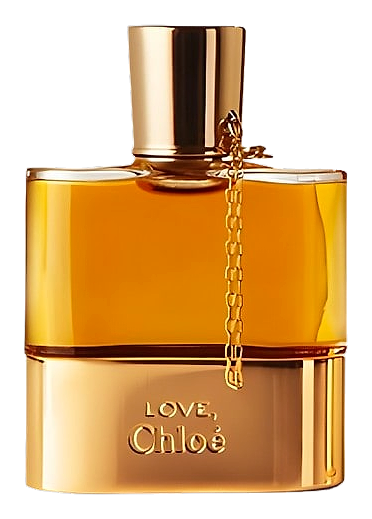
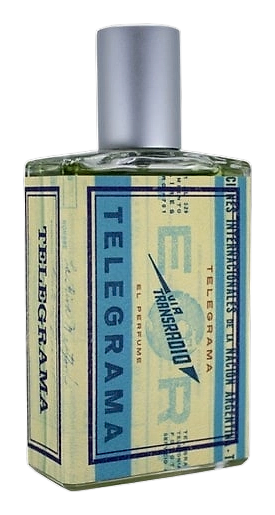
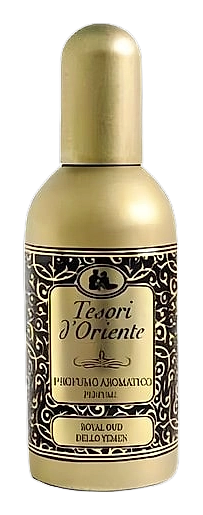
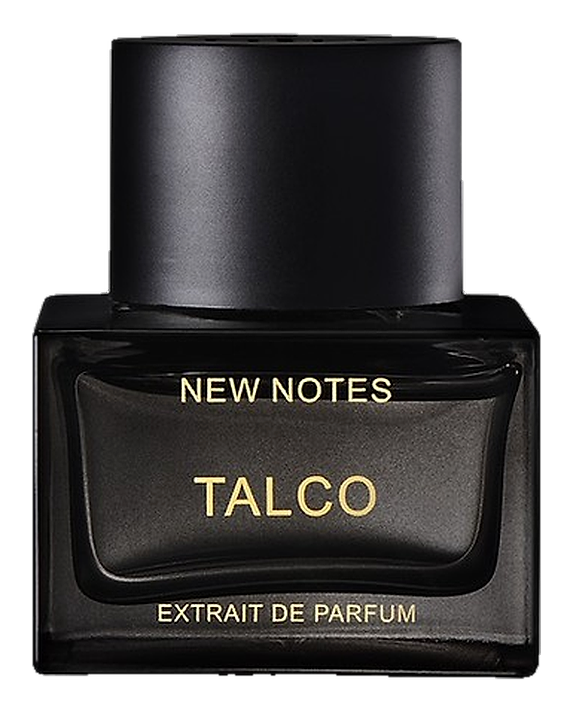
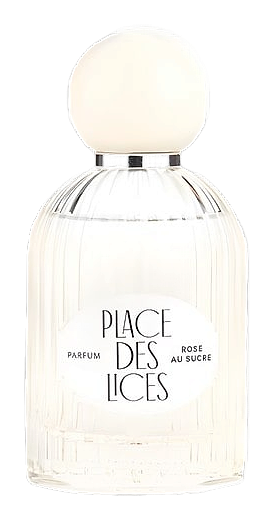
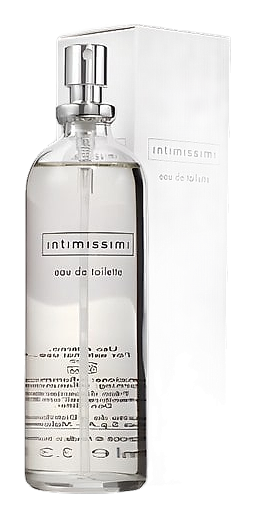
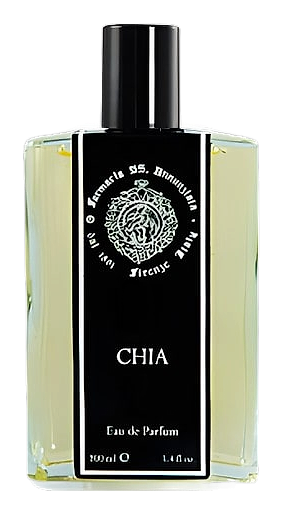
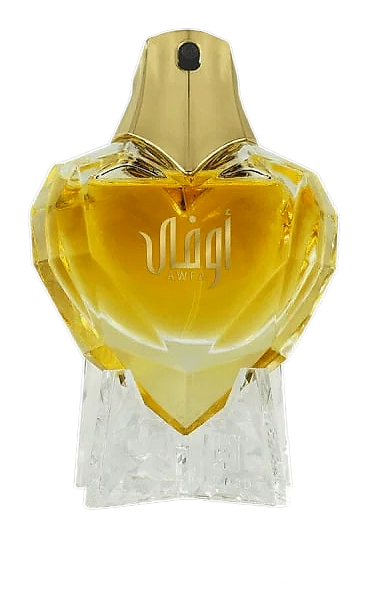
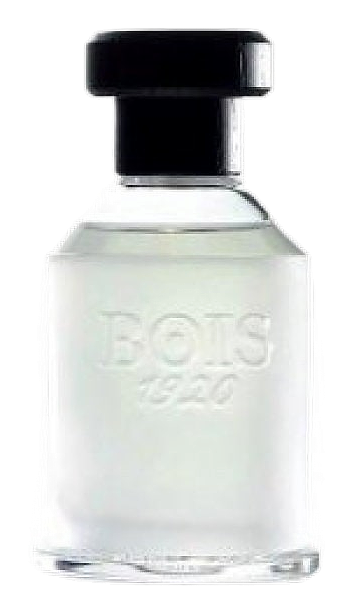
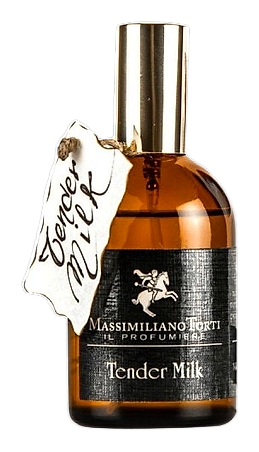
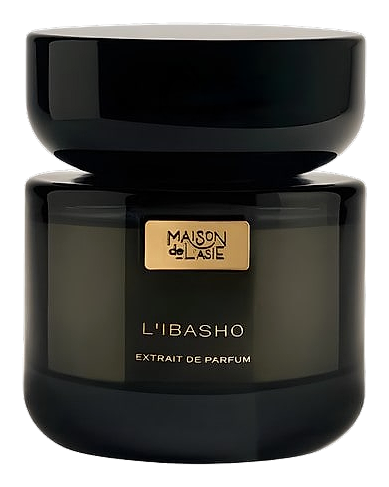
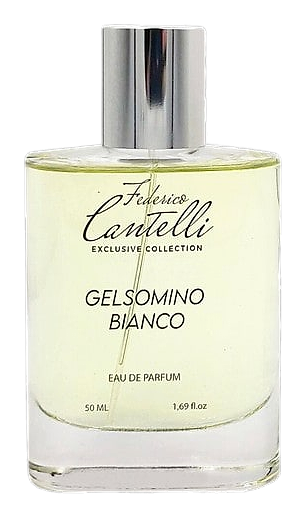
Fragrances featuring Talcum
Good to know
Questions, answered
The essentials on Talcum in perfumery: how it smells, where it comes from, and how it behaves on skin.
Is talcum a natural ingredient in perfume?
Talcum the mineral is natural, but the scent in modern fragrance is almost always a synthetic recreation. Perfumery typically uses aroma chemicals that mimic the soft, powdery impression of talc rather than the ground mineral itself.
What does talcum smell like in a fragrance?
Talcum reads as a clean, dry softness reminiscent of freshly powdered skin, baby powder, or pressed cotton. It carries minimal projection on its own and acts as a textural backdrop in compositions.
Is talc safe in perfume?
Fragrance-grade talc reproductions use synthetic musks and powdery aldehydes, not loose mineral powder. These molecules are evaluated for skin safety by industry bodies like IFRA before commercial use.
Why is talc used in perfumery?
Perfumers use talc-type notes to add comforting warmth and a soft, intimate drydown. It rounds out sharper floral or citrus accords and makes a scent feel close to the skin.
When was talc first used in cosmetics?
Ancient Egyptians ground talc into body powders more than 4,000 years ago. Its cosmetic use spread through Mediterranean and Middle Eastern cultures well before modern perfumery existed.
Which perfumes feature a talc note?
Many classic aldehydic and soft-floral fragrances built their powdery character around talc-type accords. Specific formulations vary by house, and you can explore talc-heavy compositions on Silloria to find current options.
Is talc in perfume the same as baby powder?
No. The scent impression borrows from baby powder's association, but perfumery uses synthetic molecules rather than talc-based body powder. Recent concerns about talc contamination apply to loose cosmetic powder, not fragrance accords.
Can natural talc be used in fragrance today?
Practically speaking, no. Modern perfumery reconstructs the note with synthetic aromachemicals because raw talc lacks meaningful scent and carries sourcing concerns. The goal is the sensory effect, not the mineral.