The Story
Why it exists.
The beginning
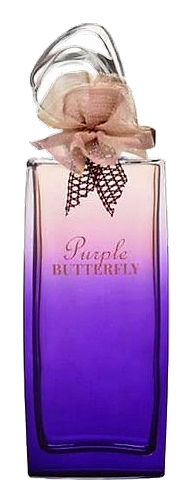
Purple Butterfly arrived in 2016 as the fourth fragrance in Hanae Mori's Butterfly collection, a line that began with the original Butterfly in 1996 and has since expanded to include numerous flankers and limited editions. Where earlier Butterflies leaned into fruity-gourmand territory, this edition shifted the conversation. The house wanted to explore powdery notes, specifically the iris-viola axis that sits at the intersection of Japanese refinement and Western couture. The plum blossom, already a symbol in the brand's DNA, became the conceptual anchor: delicate, fleeting, and distinctly Japanese. It was limited edition for a reason, a chapter in the ongoing Butterfly story, not a permanent addition.
The structure here is interesting: powdery notes typically appear late in a fragrance's development, serving as a bridge between heart and drydown. Purple Butterfly inverts that convention. The powdery accord, built around iris powder and white musk, doesn't arrive at the end to clean things up. It arrives early and stays. The fruity-floral opening (blackcurrant, bergamot, rosebud) gives way to a heart of black tea and plum, but the iris powder keeps nudging its way back in, even before the drydown officially begins. That early intrusion is what makes this feel cohesive rather than disjointed, the powdery character isn't a separate phase, it's a through-line.
The evolution
The opening hits bright and tart. Blackcurrant and bergamot arrive together, with enough acidity to make you pay attention. The rosebud softens it just slightly, papery, sweet, the smell of petals pulled from a stem. Thirty minutes in, the character shifts. Black tea appears, astringent and clean, while plum brings a darker sweetness and tuberose adds body without weight. The handoff isn't dramatic, it's gradual, like light fading from a room rather than a switch flipping. By hour three, the drydown announces itself: iris powder and cedarwood, grounded by patchouli, warmed by white musk. The iris lingers longest, a soft, close-to-skin presence that stays for another four or five hours. On fabric, it becomes a ghost of itself, detectable the next morning.
Cultural impact
Purple Butterfly found its audience among those who appreciate powdery fragrances, it became a reference point in that category, cited for the way it integrates iris and violet without tipping into old-fashioned territory. The East-West bridge-building that defines the house feels particularly present here: the Japanese influence (plum blossom, delicate restraint) merged with Western couture sensibilities (bold structure, confident drydown). It occupies a specific niche, not for those who want fragrance to announce them, but for those who want it to linger in memory.