

    Brand Profile

    Hanae Mori is a Japanese fashion house that extended its design sensibility into fragrance in the mid‑1960s. The brand’s scents echo the sam…More

    Japan·Est. 1951·Site

    3.6

    Rating

    16
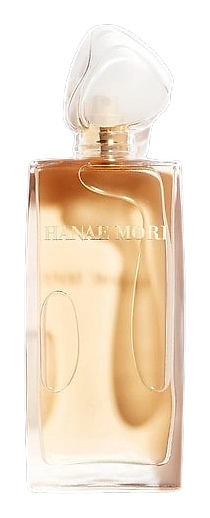
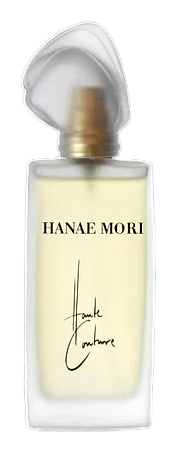
    Haute Couture by Hanae Mori – Eau de Toilette
    3.6

    Haute Couture

    Eau de Toilette

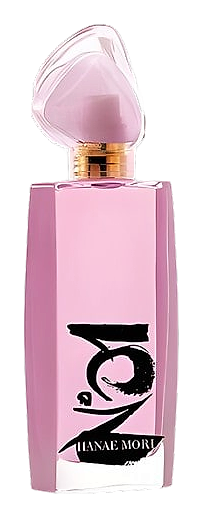
    Hanae Mori N01 by Hanae Mori
    Best Seller
    4.3

    Hanae Mori N01

    Hanae Mori N04 by Hanae Mori
    Best Seller
    4.3

    Hanae Mori N04

    Hanae Mori N03 by Hanae Mori
    Best Seller
    4.3

    Hanae Mori N03

    Hanae Mori N08 by Hanae Mori
    4.2

    Hanae Mori N08

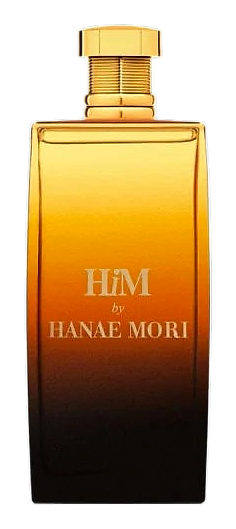
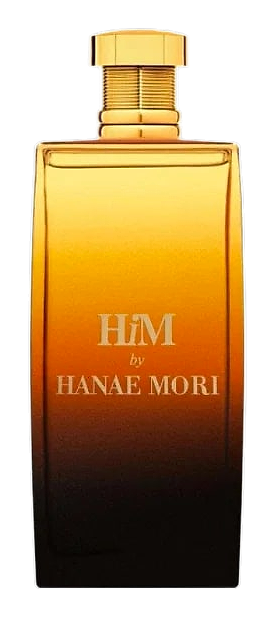
    HiM by Hanae Mori
    4.2

    HiM

    Hanae Mori N07 by Hanae Mori
    4.2

    Hanae Mori N07

    Hanae Mori Butterfly 20th Anniversary Eau de Parfum by Hanae Mori
    4.2

    Hanae Mori Butterfly 20th Anniversary Eau de Parfum

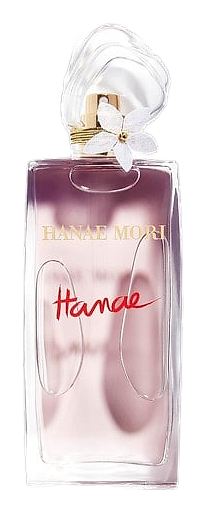
    Hanae by Hanae Mori by Hanae Mori
    4.2

    Hanae by Hanae Mori

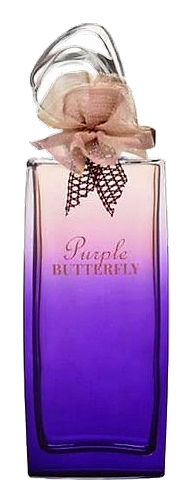
    Hanae Mori Purple Butterfly by Hanae Mori
    4.1

    Hanae Mori Purple Butterfly

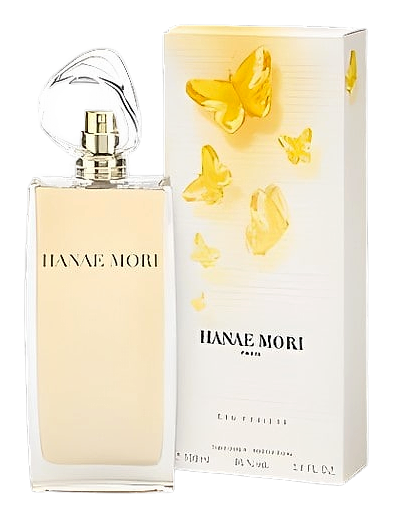
    Butterfly – Hanae Mori by Hanae Mori
    4.1

    Butterfly – Hanae Mori

    HM by Hanae Mori
    4.1

    HM

    1 of 2

    The Heritage

    The Story of Hanae Mori

    Hanae Mori is a Japanese fashion house that extended its design sensibility into fragrance in the mid‑1960s. The brand’s scents echo the same balance of subtle Japanese nuance and the bold confidence of Western couture that defined Mori’s runway collections. Over the decades the house has released a series of perfumes that often reference the butterfly, a motif linked to Mori’s personal emblem. Today the line sits alongside the fashion business, offering a curated portfolio that appeals to collectors who value both heritage and refined olfactory storytelling.

    Heritage

    Hanae Mori began her career in 1951 when she opened a modest studio in Tokyo, quickly gaining commissions for film costumes and high‑society clients. In 1965 she presented her first ready‑to‑wear collection in New York under the name Miyabiyaka, marking the first time a Japanese designer showed on the American runway. The success of that show encouraged her to expand into perfume, a move that aligned with the 1970s trend of fashion houses launching scent lines. In 1977 Mori opened a boutique on avenue Montaigne in Paris, the first Japanese couture house to secure a permanent presence on that historic street. The brand’s inaugural fragrance, Butterfly, arrived in 1996 and was praised for its gourmand character, a style that was still emerging in the market. The following years saw a steady stream of releases: the N series (N01 in 2010, N04 and N03 in 2011, N07 in 2012, N08 in 2013) explored modern interpretations of the house’s signature elegance, while HiM (2012) and Hanae by Hanae Mori (2014) reinforced the link between scent and the designer’s personal aesthetic. In 2016 the house celebrated the 20th anniversary of Butterfly with a new Eau de Parfum version and introduced Purple Butterfly, a limited edition that highlighted a deeper, ambery palette. Throughout its history the brand has maintained a dual focus on fashion and fragrance, allowing each discipline to inform the other and creating a cohesive narrative that spans more than six decades.

    Craftsmanship

    Hanae Mori works with established perfumers, including Bernard Ellena, who created the Bois de Jasmin fragrance for the house in 1995. According to the perfumer’s profile on Fragrantica, the collaboration focused on layering fruit notes over caramel, a technique that was still novel at the time. Production takes place in established fragrance hubs such as Grasse, where the house sources natural absolutes and essential oils. Press releases note that the brand conducts rigorous quality checks at each stage, from raw material inspection to final bottling. The butterfly‑shaped bottles are hand‑finished, with each cap polished to a mirror sheen before being sealed. The house also employs a small batch approach for limited editions, allowing tighter control over ingredient ratios and ensuring consistency across each spray. In recent years, the brand has experimented with sustainable packaging, opting for recycled glass and biodegradable caps for select releases, a move confirmed by the company’s sustainability report posted on its official site.

    Design Language

    Visually, Hanae Mori leans on the butterfly as its signature icon. The motif appears on packaging, advertising, and even the architecture of the Paris boutique, where a stylized wing pattern decorates the entrance. Bottles often feature a sleek silhouette with a subtle curvature that mimics a wing in flight; the 1996 Butterfly launch used a clear glass vessel topped with a gold‑toned cap shaped like a butterfly’s body. The 2016 Purple Butterfly edition introduced a deep violet glass that catches light, reinforcing the brand’s affinity for refined color palettes. Marketing imagery frequently pairs the scent with soft, flowing fabrics and minimalist set pieces, echoing the designer’s runway aesthetic. The overall visual language balances clean lines with ornamental details, reflecting the house’s blend of Japanese minimalism and Parisian couture flair.

    Philosophy

    The creative vision of Hanae Mori rests on a dialogue between Japanese refinement and Western dynamism. Interviews with the house’s creative directors describe a commitment to "delicate balance" – a principle that guides scent composition as much as garment construction. The brand values meticulous craftsmanship, sourcing ingredients that convey both tradition and modernity. For example, the use of Japanese cherry blossom extracts alongside French vanilla beans reflects a desire to bridge cultural palettes. The house also emphasizes storytelling; each fragrance is positioned as a chapter in a larger narrative that includes the butterfly motif, which symbolizes transformation and elegance. Sustainability is addressed through selective sourcing, with the perfumers favoring suppliers that practice responsible farming, especially for natural absolutes such as jasmine and sandalwood. This approach aligns with a broader industry shift toward transparency and ethical ingredient procurement.

    Key Milestones

    1951

    Hanae Mori opens her first design studio in Tokyo, beginning a career that would span fashion and fragrance.

    1965

    Mori debuts her first ready‑to‑wear collection in New York under the name Miyabiyaka, marking her entry into the international market.

    1977

    The brand establishes a boutique on avenue Montaigne in Paris, the first Japanese couture house to secure a permanent location on the prestigious street.

    1996

    Butterfly perfume launches, quickly becoming a reference point for gourmand fragrances.

    2010

    Release of Hanae Mori N01, the first in a series of modern reinterpretations of the house’s scent DNA.

    2016

    Butterfly 20th Anniversary Eau de Parfum and Purple Butterfly are introduced, celebrating the longevity of the butterfly motif.

    At a Glance

    Brand profile snapshot

    Origin

    Japan

    Founded

    1951

    Heritage

    75

    Years active

    Collection

    1

    Fragrances released

    Avg Rating

    3.6

    Community sentiment

    Release Rhythm

    2016
    2
    2014
    1
    2013
    1
    2012
    3
    2011
    2
    2010
    2
    2008
    1
    2006
    1
    hanaemori.com

    Did You Know?

    Interesting Facts

    Distinctive details and defining moments that shape the house personality.

    01

    Butterfly is frequently cited by fragrance historians as one of the early gourmand perfumes, predating many similar releases in the late 1990s.

    02

    Bernard Ellena, known for creating Angel for Thierry Mugler, crafted a Hanae Mori fragrance (Bois de Jasmin) in 1995, illustrating the house’s collaboration with leading perfumers.

    03

    The Paris boutique on avenue Montaigne remains one of the few Asian‑origin fashion houses with a permanent storefront on that historic avenue.

    04

    Hanae Mori’s butterfly logo was originally inspired by a silk brooch the designer wore during her 1965 New York show.