Rosebud
Rosebud captures the delicate essence of the rose at its most tender stage, before the flower fully unfurls. This concentrated aromatic captures romantic warmth and fresh floral sweetness in a form that has perfumed human creations for millennia.

Character
How it smells
Where romance meets botanical science.
Ancient Egyptians considered rosebuds sacred, using rose water in religious ceremonies and burial rituals over 3,000 years ago.







Origin
Bulgaria
Rosebud has been cultivated for over 3,000 years, with ancient civilizations recognizing its therapeutic and aromatic properties. The Egyptians pioneered rose water production, while Arab and Berber communities in 18th-century Morocco developed advanced distillation techniques that remain largely unchanged today. Rosebud's journey from sacred flower to perfumery staple reflects humanity's enduring fascination with capturing nature's most romantic scents.
Rosebud Perfume Company, founded in 1892 in Woodsboro, Maryland by Dr. G. F.
Smith, continues this tradition, demonstrating how a single botanical ingredient has shaped fragrance history across continents and centuries.
Wears it best
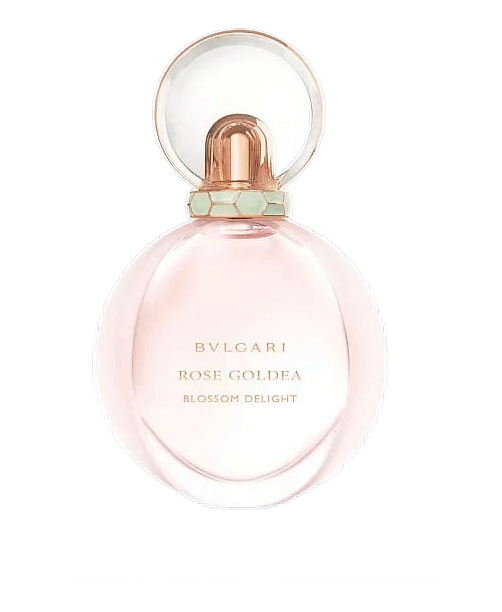
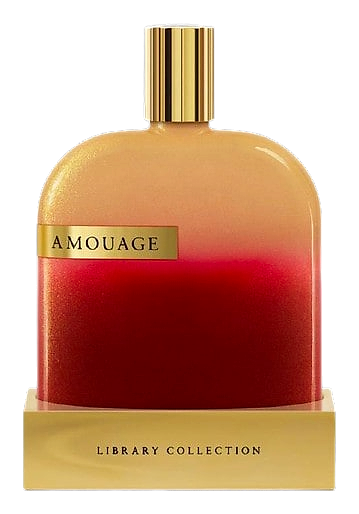
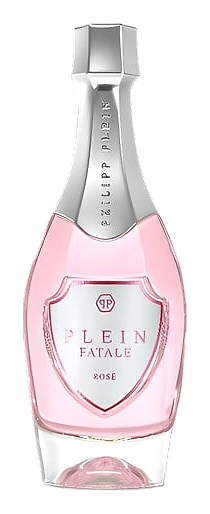
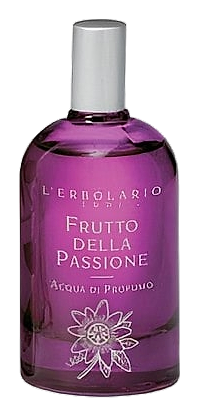
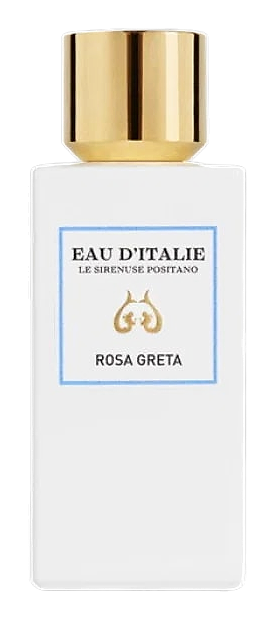
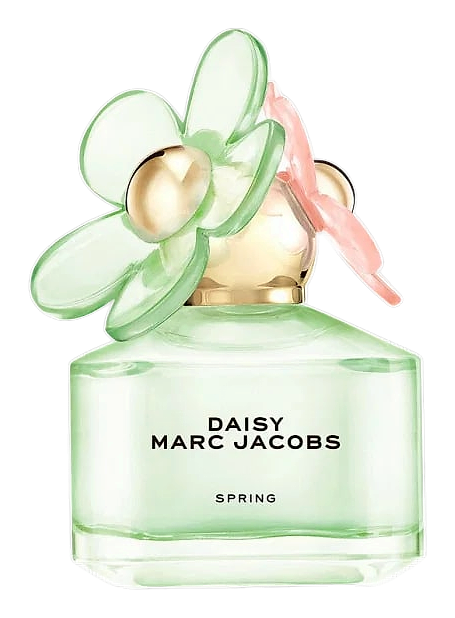
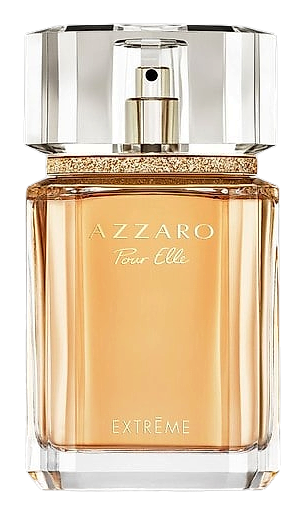
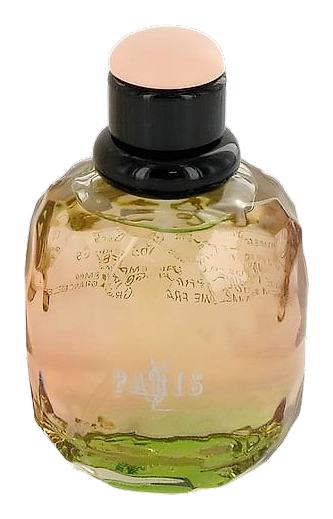
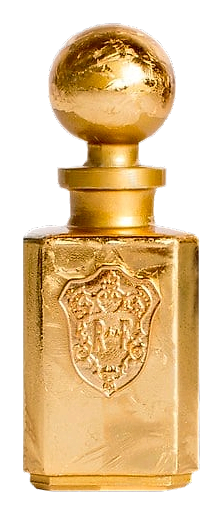
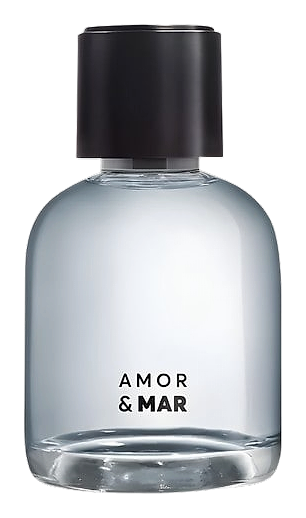
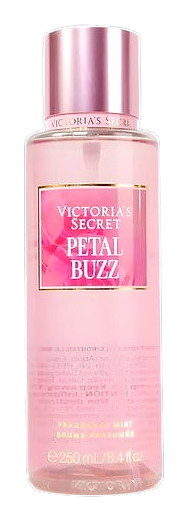
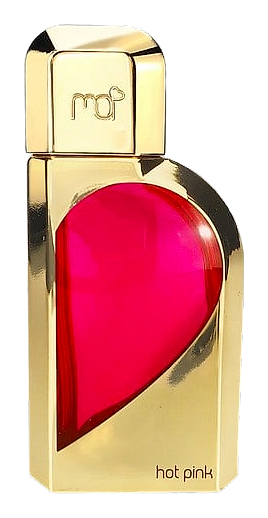
Fragrances featuring Rosebud
Brands
Brands known for Rosebud
Good to know
Questions, answered
The essentials on Rosebud in perfumery: how it smells, where it comes from, and how it behaves on skin.
What is rosebud in perfumery?
Rosebud refers to the unopened or partially opened flower of Rosa damascena or Rosa centifolia before full bloom. It captures the most concentrated aromatic oils, offering a fresher, greener floral note compared to fully open rose petals.
Why is rosebud extract so expensive?
Rosebud extraction yields a remarkably small amount of essential oil. It takes approximately one ton of rosebuds to produce just 500 grams of rose Otto, making it one of the most labor-intensive and costly ingredients in perfumery.
What is the difference between rose Otto and rose absolute?
Rose Otto is obtained through steam distillation, producing a water-soluble essential oil with a fresh, floral character. Rose absolute comes from solvent extraction, yielding a more concentrated, richer scent profile with deeper, more complex undertones.
Which countries produce the finest rosebud extracts?
Bulgaria and Turkey lead rose Otto production, with Bulgaria's Rose Valley producing 70 percent of the world's supply. Morocco is renowned for traditional rosewater production using centuries-old distillation methods.
How does temperature affect rosebud extraction?
Temperature control during steam distillation is critical. Too high damages the delicate aromatic compounds; too low fails to release the volatile oils. Master distillers maintain precise temperatures to preserve the characteristic sweet, floral quality.
What role did ancient civilizations play in rosebud use?
Ancient Egyptians used rose essence in religious ceremonies and burial rituals. The Greeks and Romans further refined extraction techniques. By the 18th century, Moroccan communities had developed distillation methods still used today.
How should rosebud extract be stored?
Rosebud extracts degrade when exposed to light and heat. Store in a cool, dark place in tightly sealed dark glass bottles. Rose Otto may crystallize at cool temperatures but returns to liquid form when gently warmed.
When is the best time to harvest rosebuds?
Rosebuds are harvested during late spring, typically May to June in the Northern Hemisphere. Hand-picking occurs at dawn when dew has evaporated but before the sun warms the petals, preserving the highest concentration of aromatic oils.