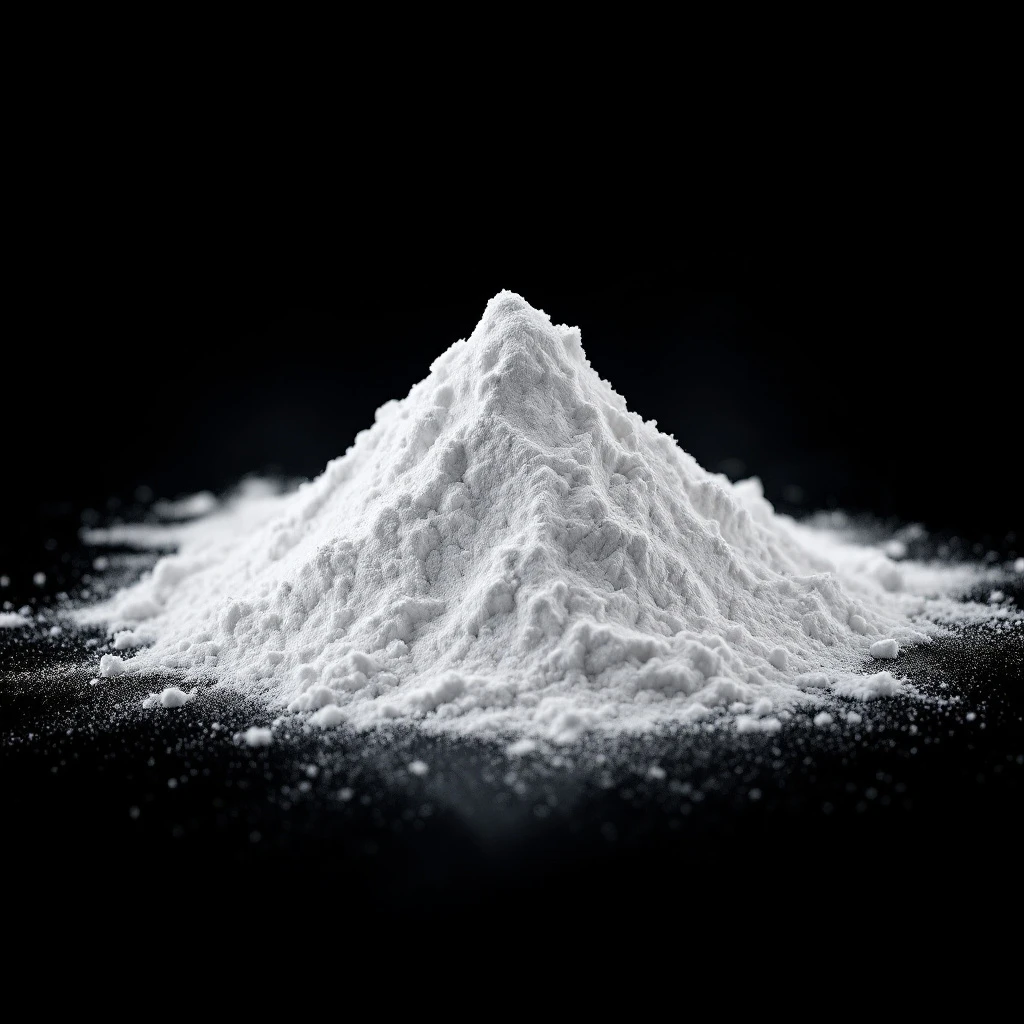
Powdery Green
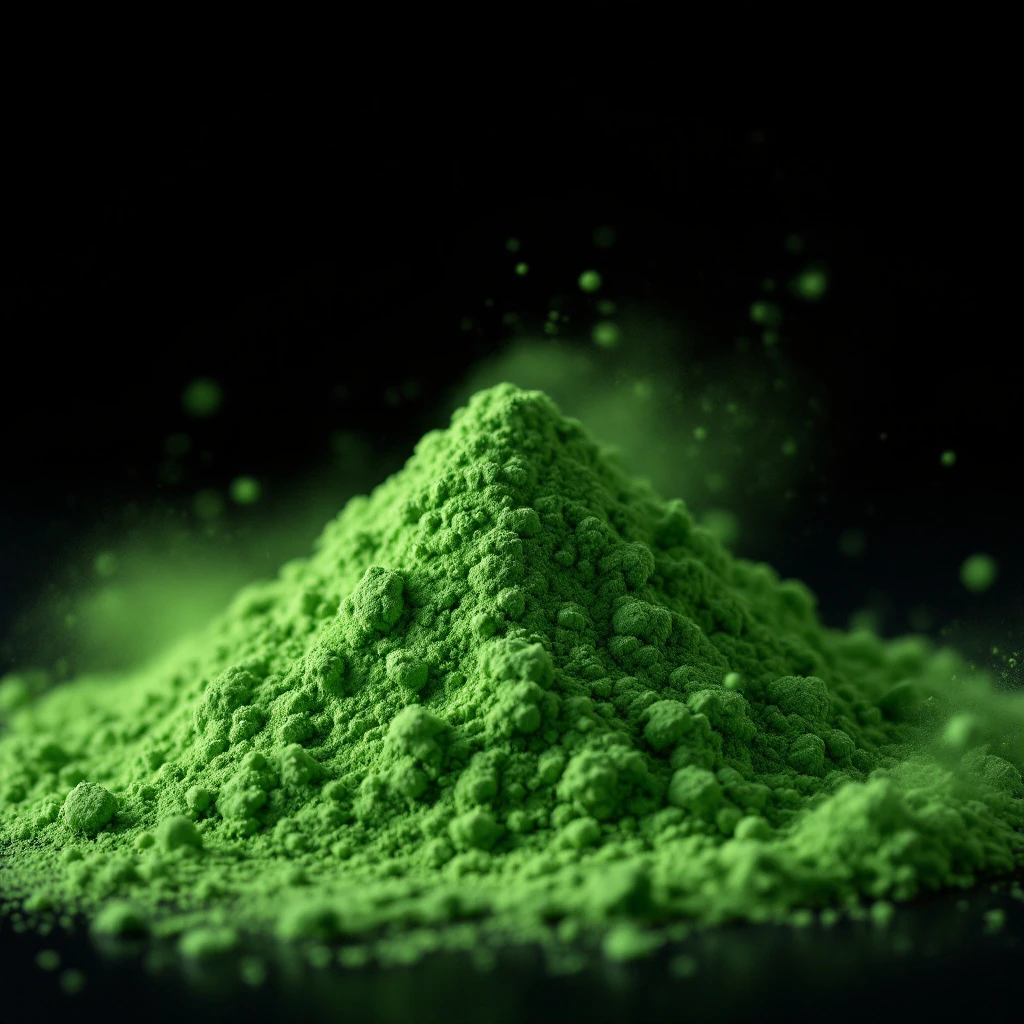
Powdery Green captures the sensation of crushed violet leaves and morning dew on fresh-cut stems. This accord marries the soft, velvety depth of powdery materials with crisp, cutting green freshness, creating fragrances that feel both alive and intimate.
Character
How it smells
Fresh-cut stems wrapped in silk.
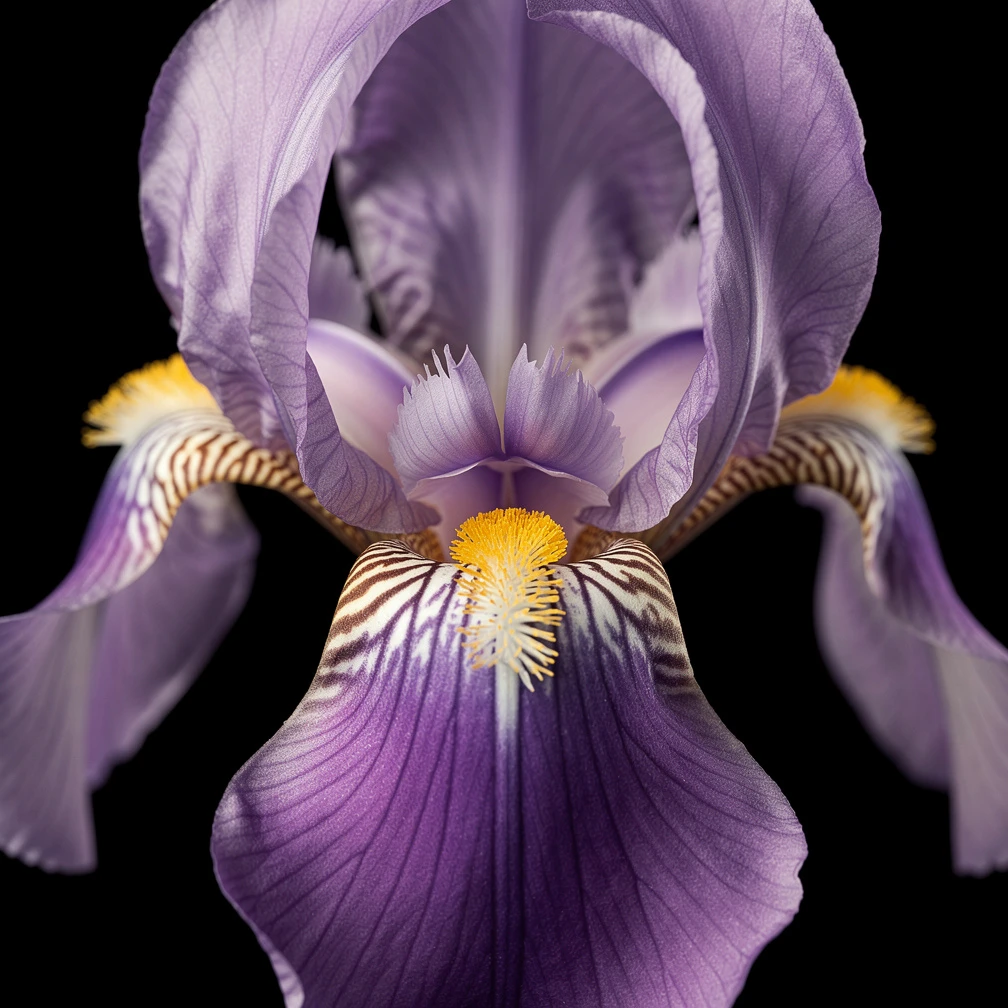
The combination of galbanum and iris root creates what perfumers call the 'violet leaf effect,' where two different materials produce a third, distinctly green scent neither possesses alone.
Pairs beautifully with

Origin
France
The Powdery Green family emerged from a pivotal 1903 discovery: C12 MNA aldehydes, which introduced a metallic, soapy cleanliness to perfumery. Before this breakthrough, green and powdery notes existed largely in isolation. Traditional perfumery favored either the medicinal sharpness of galbanum or the cosmetic softness of iris, rarely combining them.
The aldehyde revolution changed this, allowing perfumers to bridge these opposing qualities. Chanel No. 5 (1921) demonstrated this potential by pairing aldehydic brightness with powdery florals.
The 1960s saw a surge in Powdery Green creations as consumers sought fragrances that felt both modern and approachable. Today, this family thrives in contemporary perfumery, offering a bridge between nature and technology that respects both centuries of botanical perfumery and a century of synthetic innovation.
Wears it best
Fragrances featuring Powdery Green
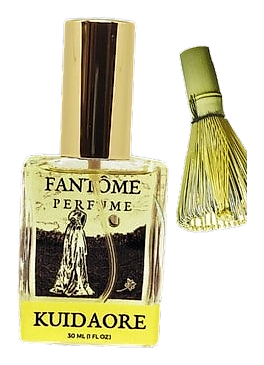
Brands
Brands known for Powdery Green
Good to know
Questions, answered
The essentials on Powdery Green in perfumery: how it smells, where it comes from, and how it behaves on skin.
What creates the powdery quality in fragrances?
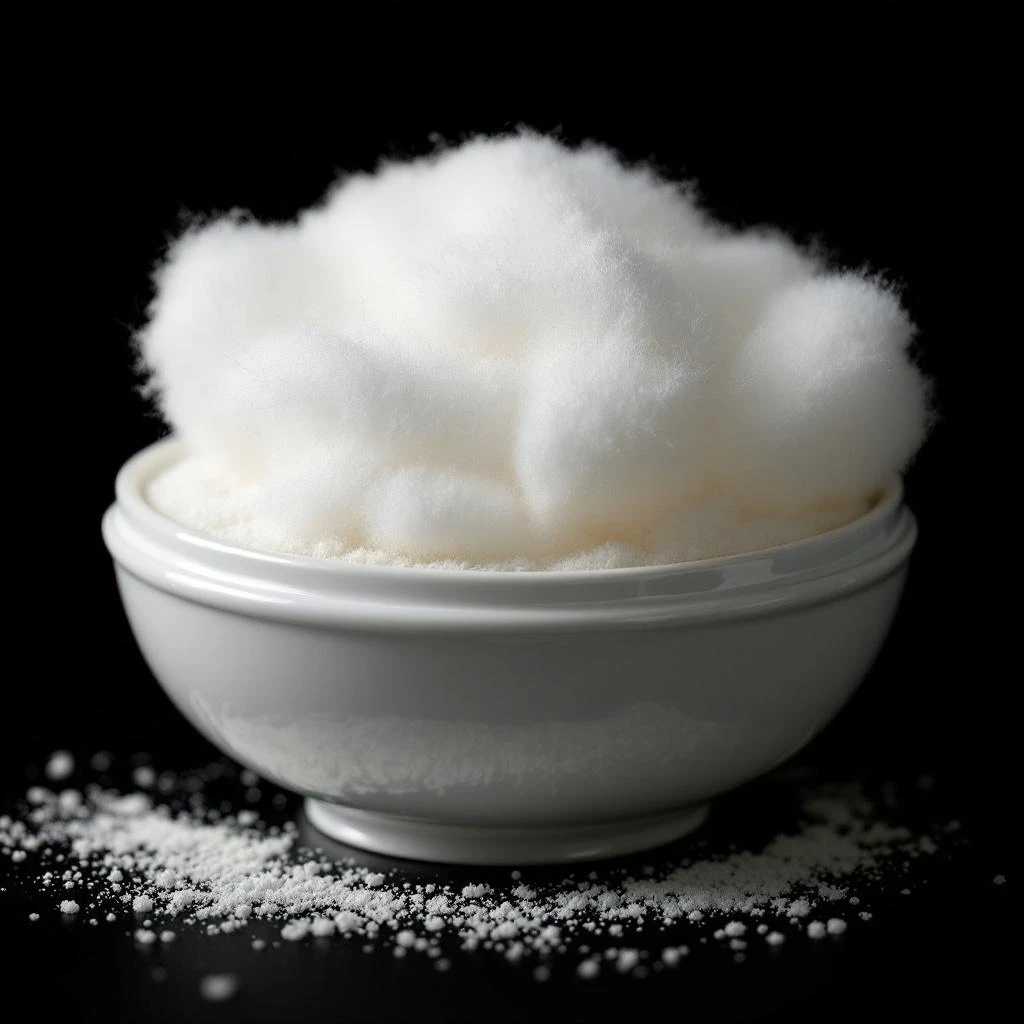
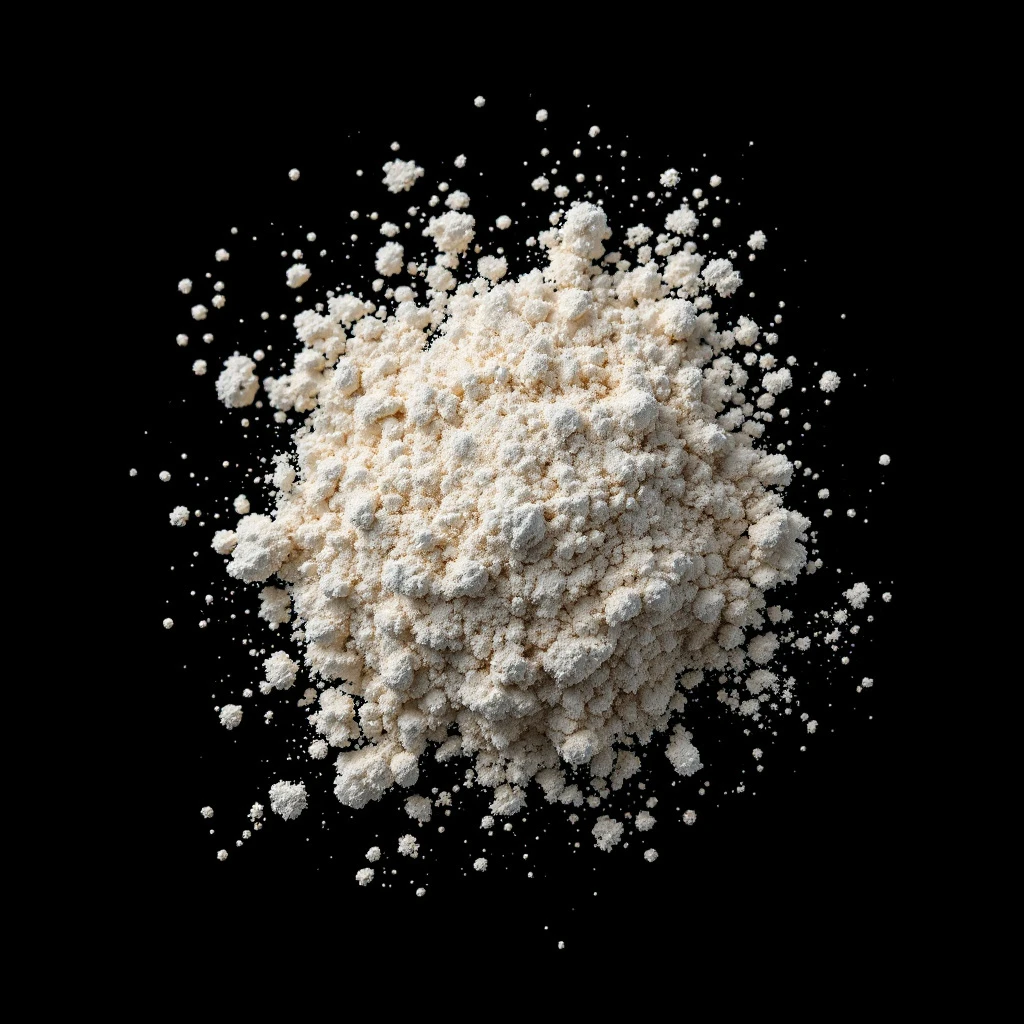
Powdery notes come from iris root, coumarin, and synthetic musks. Iris root contains irone, which registers as soft and velvety. These materials create the sensation of pressed powder or cosmetic smoothness found in many modern fragrances.
Which natural ingredients provide green notes?
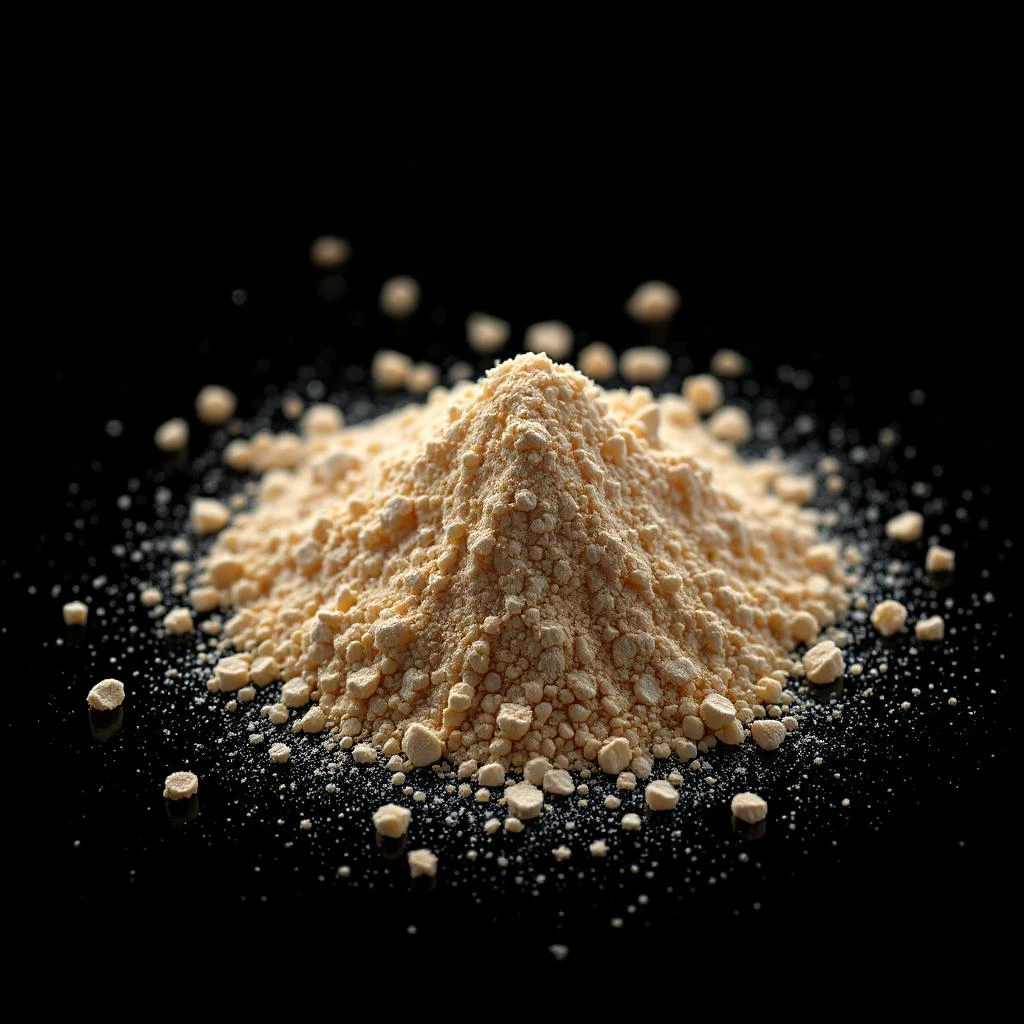
Galbanum resin delivers the sharpest green note in nature. Violet leaf absolute, grass absolute, and freshly cut stem notes from cis-3-hexenol round out the green palette. These materials capture the scent of living plants rather than dried ones.
Is Powdery Green a natural or synthetic accord?
It is a blend of both. Key green components like galbanum and violet leaf come from natural extraction. Powdery elements often combine natural orris or coumarin with modern synthetic musks that safely replicate animal notes.
When did perfumers first combine powdery and green notes?
The combination became possible after 1903, when C12 MNA aldehydes were discovered. These aldehydes provided a bridge between the sharp green family and soft powdery materials, enabling accords that felt both fresh and intimate.
What does Powdery Green smell like?
Imagine violet leaves crushed between your fingers, then wrapped in a soft muslin cloth. The scent opens with crisp, slightly bitter green freshness, then settles into a warm, velvety finish with subtle soapy undertones.
Which perfumes exemplify the Powdery Green family?
Chanel No. 19 (1970) remains the archetype, combining galbanum with iris and jasmine. More recent examples include Hermès Hermessence Poivre Samarkand and Diptyque Oyedo, each interpreting the balance differently.
Does galbanum alone create a Powdery Green effect?
Partially. Galbanum provides intense green freshness with resinous depth, but lacks the soft, powdery finish. Perfumers pair it with iris, coumarin, or musks to achieve the full Powdery Green character.
Is Powdery Green suitable for year-round wear?
Yes. The green opening provides freshness in warm months, while the powdery base offers warmth in cooler seasons. This versatility explains its enduring popularity across fragrance families and decades.