
The Story
Why it exists.
The beginning
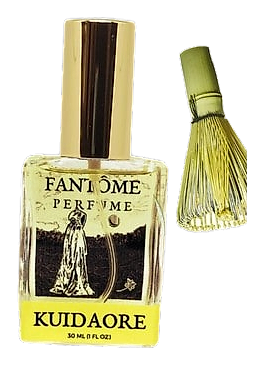
Kuidaore takes its name from a Japanese phrase meaning 'to eat oneself into ruin', a declaration of joyful excess, particularly at home in Osaka's Dotonbori district, where neon signs reflect off puddles and the narrow alleyways breathe with the smell of fresh pastries and grilled squid. Fantôme built Kuidaore around that energy. The Pacific Northwest house, founded in 2017 by Bree and Megan Elliott, treats fragrance as storytelling, each composition built around a narrative concept rather than a traditional category. Kuidaore is their ode to self-indulgent food culture: the Osaka philosophy where restraint is beside the point and smelling good is the whole reason. Bree Elliott designed this one to smell exactly like the moment it names: the hedonistic, the surrendered, the deliciously excessive.
What makes Kuidaore work is the tension between its notes. The matcha brings green bitterness, powdery, astringent, almost medicinal, that cuts through the sweetness of the fried dough and vanilla cream. Without that bitterness, this would be another sweet pastry scent. With it, Kuidaore earns its reputation as the matcha fragrance for people who find most matcha scents too polite. The vanilla cream here isn't frosting, it's the soft, slightly cool center of a cream puff. It rounds the edges without sweetening over them. The fried dough provides warmth and weight. Together, these three notes create something cohesive: a dessert that knows it could be too much, and stops just short.
The evolution
The opening hits immediately: matcha powder dusting warm fried dough. Not a gentle introduction, the green tea arrives bold, slightly bitter, demanding attention before the sweetness has a chance to claim the room. Within minutes, the vanilla cream fills in. The edges soften. The matcha stays, present, grounding, keeping everything honest, but gentler now, like it's learned to share space. By the drydown, the pastry warmth fades to powdery vanilla dusted with the last traces of matcha. This is where Kuidaore earns its 8-10 hour reputation: the base lingers close to the skin, intimate rather than projecting, the kind of scent someone notices when they're already leaning in. On fabric, the longevity extends even further. The matcha can reappear the next day, fainter but unmistakable, like someone in the next room who's been baking.
Cultural impact
Kuidaore occupies a specific corner of the indie fragrance landscape: the matcha-gourmand space, where sweet and bitter need to coexist. It found its audience through online fragrance communities, Reddit discussions and indie makeup forums, where its realistic pastry-and-cream-puff profile earned comparisons to the popular Sorcellerie Apothecary Match Made in Heaven. The distinction matters to enthusiasts: where Sorcellerie leans sugar-crystal sweet, Kuidaore stays powdered-sugar restrained, with an earthy matcha presence that doesn't retreat. It's the fragrance people reach for when they want matcha that actually smells like matcha, wrapped in something warm enough to wear.
The House
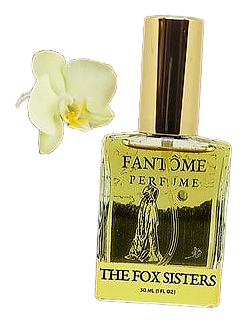
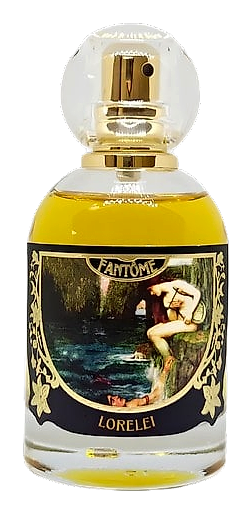
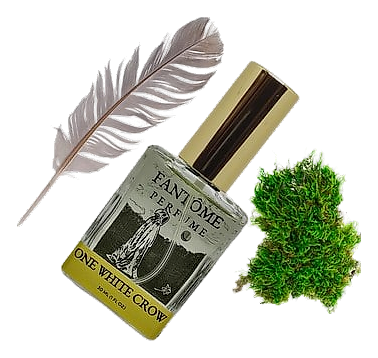
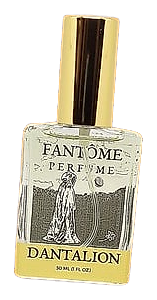
FantômeFantôme is a small independent fragrance house founded in 2017 by Bree and Megan Elliott, a married queer couple operating out of the Pacific Northwest. The brand handcrafts artisan perfumes, each built around narrative concepts rather than traditional fragrance classifications. The name derives from the French word for phantom or ghost, reflecting the brand's interest in evoking otherworldly experiences through scent. Fantôme's catalog spans diverse cultural inspirations, from Russian winter folklore to Japanese bamboo forests, each fragrance designed to transport the wearer into a distinct sensory world. The founders handle every aspect of production, from formulation to fulfillment, maintaining a direct-to-consumer model that keeps the brand intimate and responsive to its community. Their approach has cultivated a dedicated following among indie fragrance enthusiasts seeking unconventional, story-driven compositions over mainstream commercial options.
The Creator
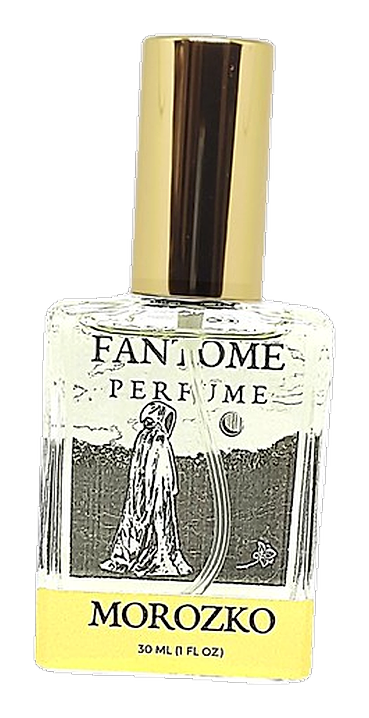
Bree ElliottMorozko hints at Bree's inclination toward cooler, atmospheric profiles. Her work appears to favor crispness over warmth, with an apparent comfort using materials that evoke winter air, evergreen needles, and the sharp clarity of cold.