Powdery Florals
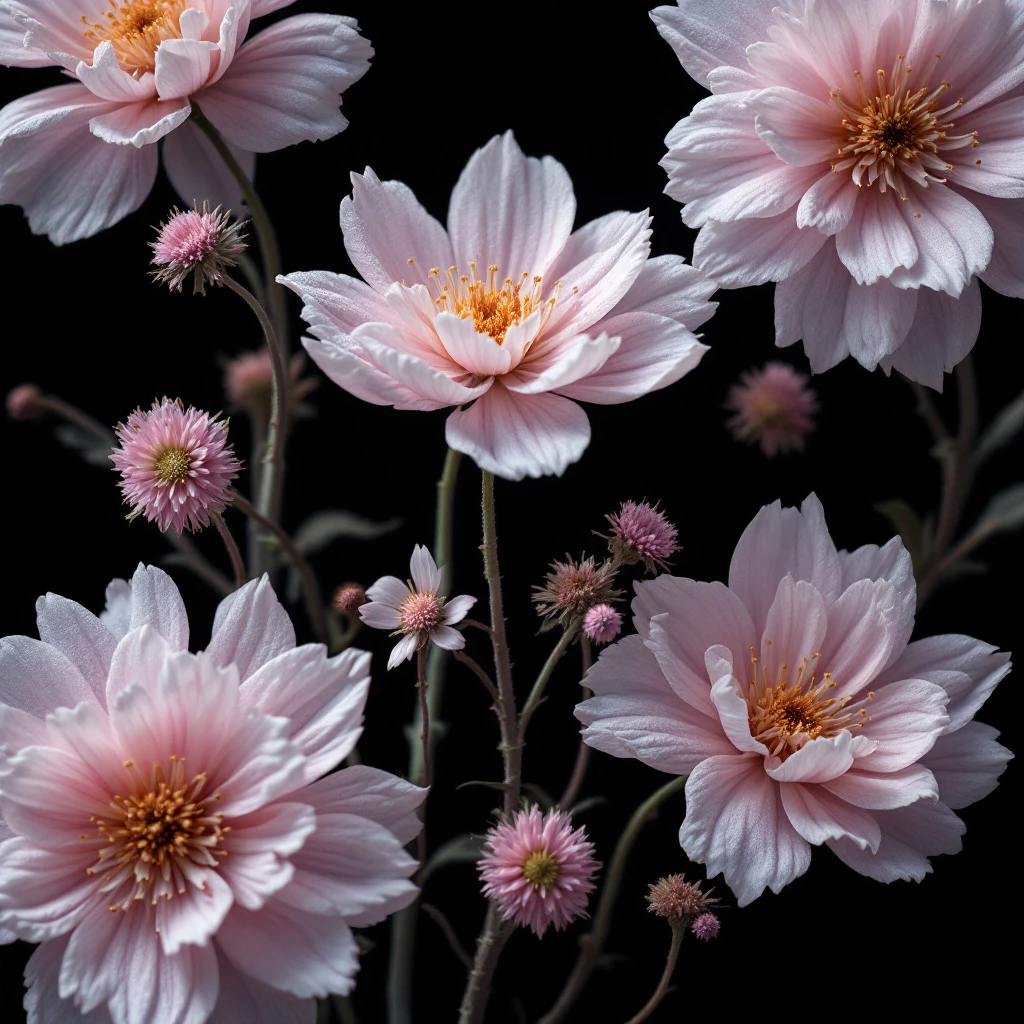
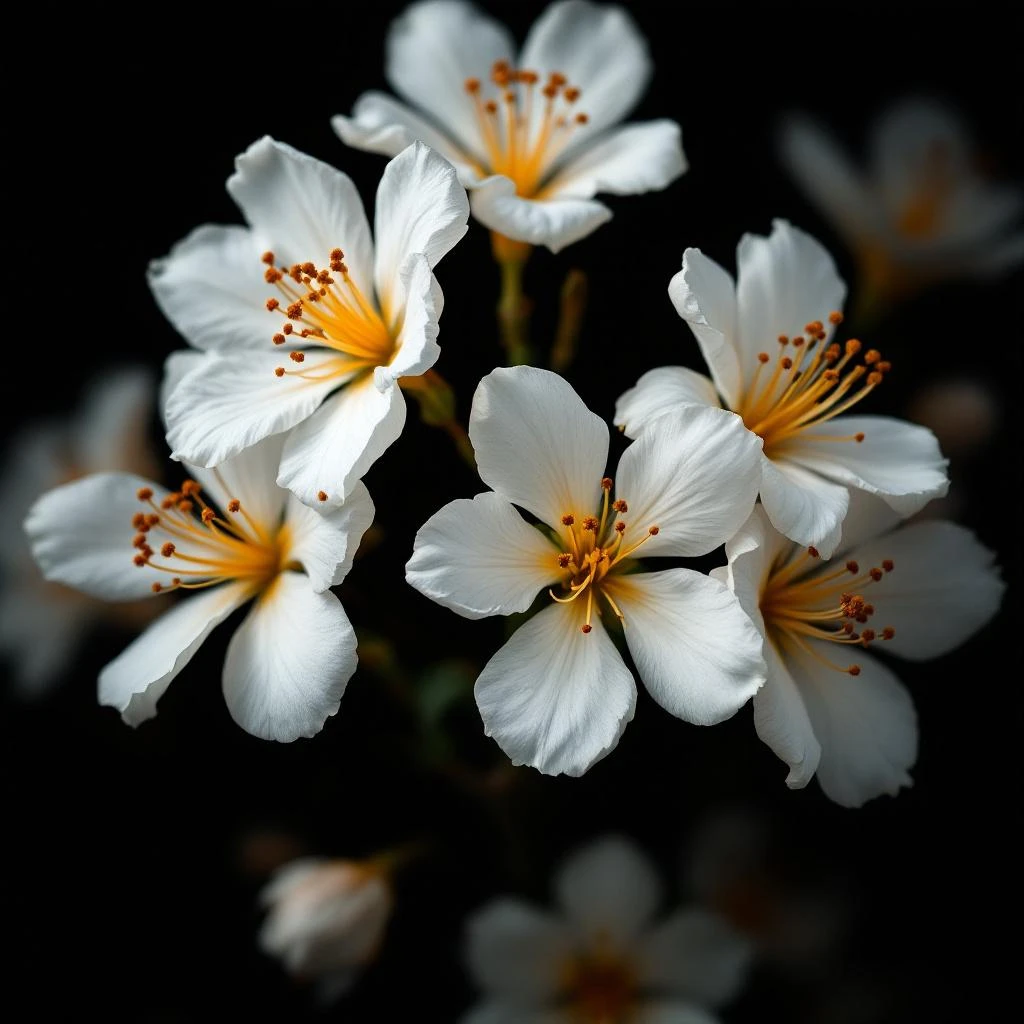
Powdery florals capture the soft, talc-like elegance where petals meet powder. From iris orris root aged three years to violet leaf's dewy freshness, these notes create an intimate, skin-close quality that has defined fragrance for over a century.
Character
How it smells
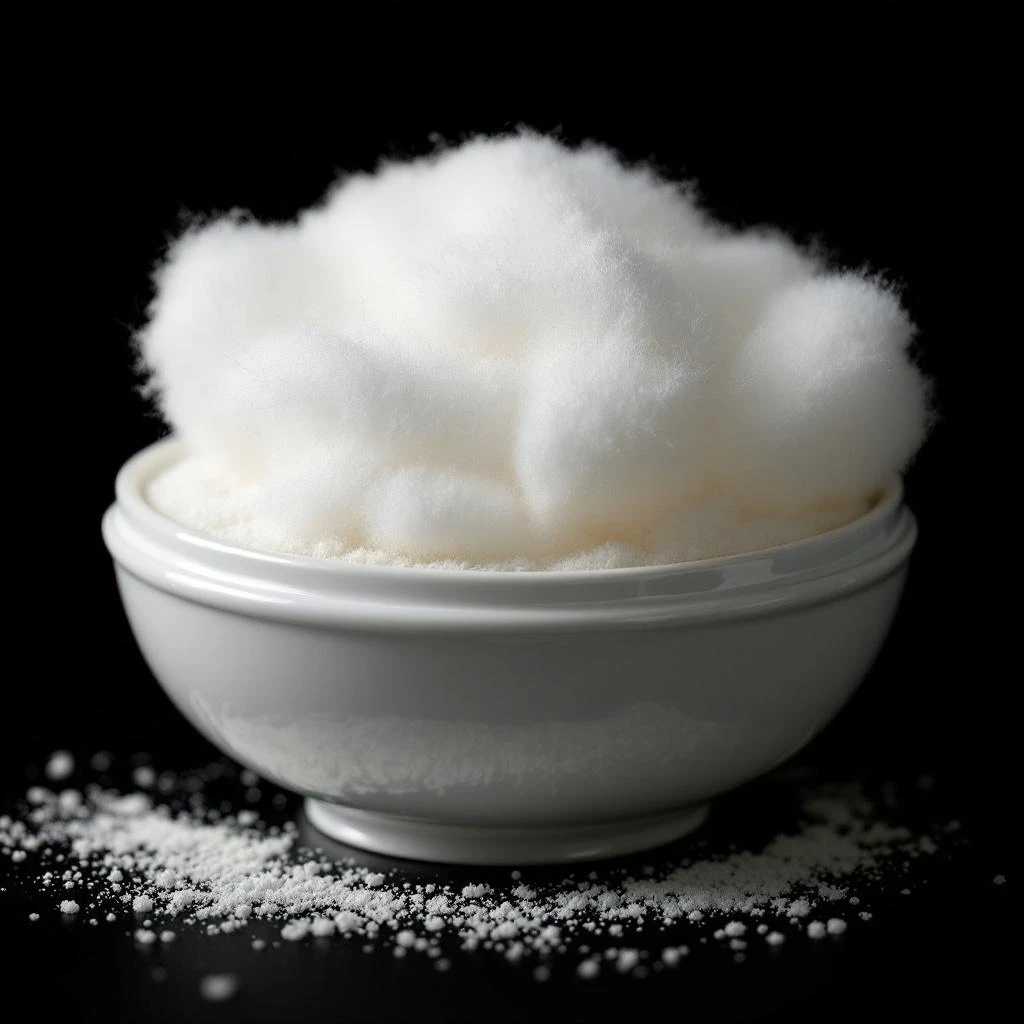
Where petals dissolve into soft powder.
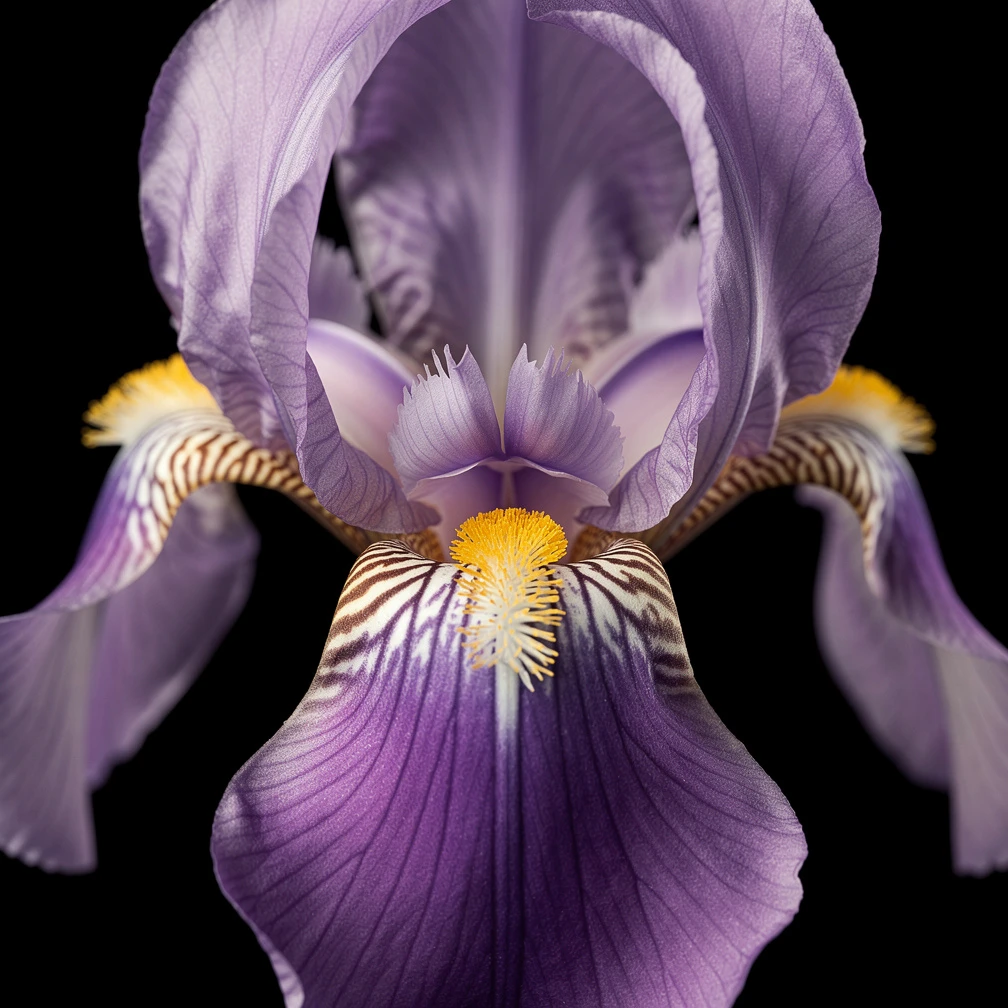
Iris orris root must dry for three years before extraction, one of the longest preparation times in perfumery, producing the prized orris butter.


Origin
Italy
Powdery notes trace their roots to Victorian-era cosmetic powders, where crushed iris root and violet petal dust were pressed into cakes for face application. The 1900s fragrance explosion unlocked powdery florals' full potential. Ernest Duxbury's 1921 analysis of Chanel No.
5 revealed how aldehydes amplify floral compounds into dry, powdery signatures. At the turn of the century, single-flower fragrances dominated; powdery notes helped perfumers build complex, multi-dimensional compositions. Iris appeared in Elizabethan cosmetics before entering fine fragrance, while violet held court in Napoleonic France, where Empress Josephine famously favored violet-scented accessories.
The combination of traditional botanical knowledge and 20th-century synthetic chemistry elevated powdery florals from cosmetic afterthought to perfumery cornerstone.
Wears it best
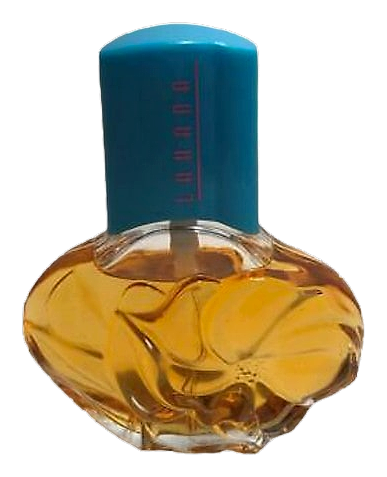
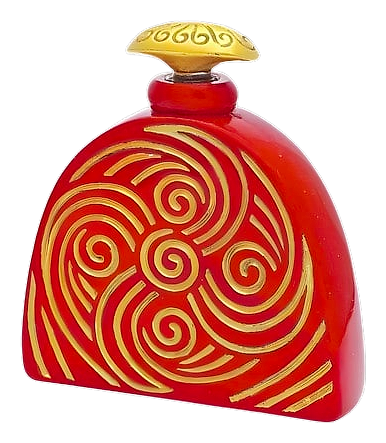
Fragrances featuring Powdery Florals
Brands
Brands known for Powdery Florals
Good to know
Questions, answered
The essentials on Powdery Florals in perfumery: how it smells, where it comes from, and how it behaves on skin.
What makes a floral note powdery?
Powdery florals combine soft, talc-like qualities with floral sweetness. Natural sources like iris root, violet leaf, and mimosa inherently carry powdery facets. Perfumers also pair floral aldehydes with dry materials like musks to enhance this effect.
How do aldehydes create powdery effects?
Aldehydes amplify and dry out floral compounds, creating a talc-like impression. Chanel No. 5 demonstrated this principle in 1921, using high aldehyde levels over jasmine and rose to produce its signature powdery bouquet.
Which flowers naturally produce powdery notes?
Iris and violet rank highest for powdery character. Mimosa and heliotrope offer softer variations. Natural orris butter from iris root contains irone, which produces the classic powdery violet impression after extended drying.
Are powdery florals natural or synthetic?
Both. Natural sources include iris orris, violet leaf absolute, and mimosa absolute. Key compounds like alpha-ionone are synthesized (discovered 1869) and reproduce violet's powdery character without sourcing from actual flowers.
Why does iris orris need years of drying?
Fresh iris rhizome lacks its characteristic powdery aroma. Over three years of drying, natural enzymatic reactions convert precursors into irone and myristicin, the compounds responsible for orris butter's prized powdery character.
Do powdery florals smell like makeup?
Yes, in a refined way. The association comes from vintage cosmetic powders containing iris and violet. Modern perfumery uses these notes to evoke soft skin, intimate closeness, and understated elegance rather than actual cosmetics.
What fragrance families use powdery florals most?
Chypre, aldehydic florals, and soft orientals frequently feature powdery florals. These notes also appear in skin musks and modern fresh florals, where they add sophistication without heaviness.
Can powdery notes smell different across perfumes?
Absolutely. Iris-derived powder reads clean and cool; violet leaf absolute adds green, dewy qualities; mimosa brings warm, honeyed softness. Blending and concentration shift the final impression dramatically.