Henri Robert
Henri Robert was born in 1899 in Grasse, the Provençal city that served as the crucible of modern perfumery. The son of a perfumer—his father held a senior position at Antoine Chiris—Henri entered the family trade at twenty, cutting his teeth at the Grasse house where rose and jasmine harvests still dictated the calendar. From Chiris he moved to Parfums d'Orsay, then on to Coty, accumulating technical fluency across each stop. The pivotal call came in 1953 when Chanel appointed him Chief Perfumer, a role that positioned him at the house's olfactory helm during a formative era. His tenure there spanned three decades. In 1978, when a young Olivier Polge arrived at Chanel, he spent six months at Henri's side, absorbing the methodical discipline that would later define his own work. Henri Robert died in 1987, leaving behind a career that threaded together academic rigor, Grasse tradition, and the exacting standards of one of fashion's most demanding houses.
The hits
Notable creations


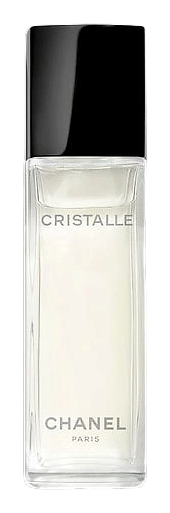


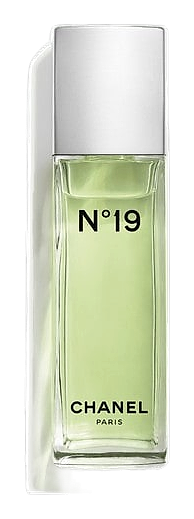



The signature
How Henri composes
Robert's signature was the chypre structure—oakmoss, labdanum, patchouli—used not as convention but as constraint. He favored controlled astringency over lushness, dry edges over soft curves. His compositions often opened with a clean, almost clinical brightness before revealing deeper mineral and green facets. Ingredients like galbanum and vetiver recur across his work, lending a kind of aromatic severity that refused easy sweetness. His style resisted trend, remaining rigorous and botanical at a time when perfumery was drifting toward heavier, sweeter constructions. The shimmery bite mentioned in reference to No. 19 captures his approach in miniature: brightness with an edge.
Philosophy
What drives Henri
Henri Robert operated within a framework of structural clarity. Where other perfumers chased эффект, he pursued architecture—building fragrances with deliberate compartments, each layer accountable to the whole. His work suggests a chemist's respect for proportions married to an artist's sense of timing. He believed fragrance should communicate with precision, not rely on initial impact alone. This intellectual patience filtered into everything he touched, from the austere chypre construction of Pour Monsieur to the sharper edges he introduced at Chanel, always balancing the house's heritage with his own restrained sensibility.
In the same league