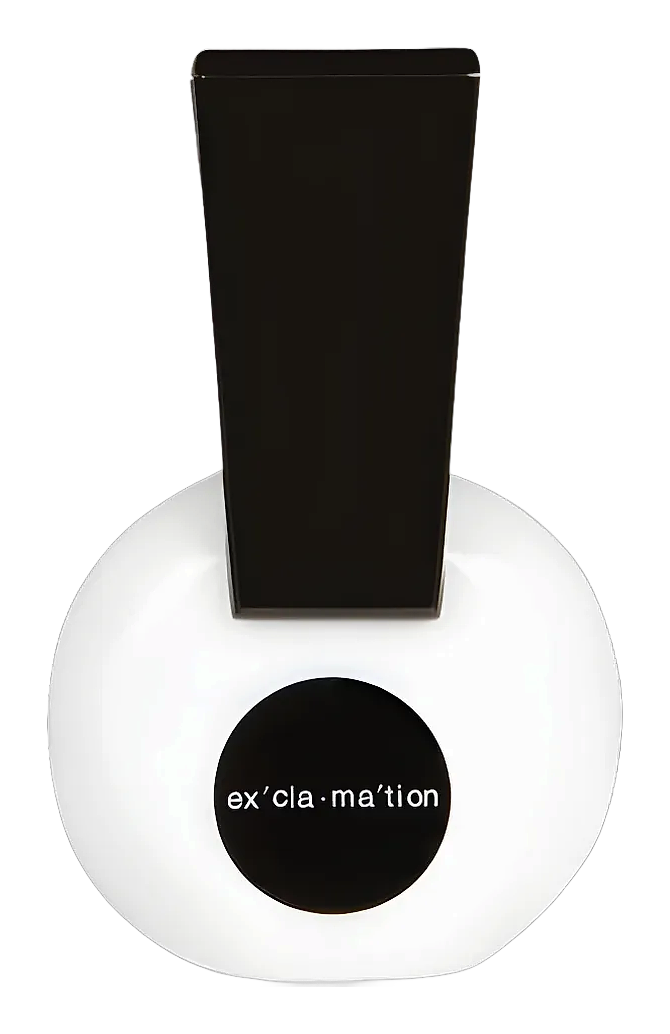
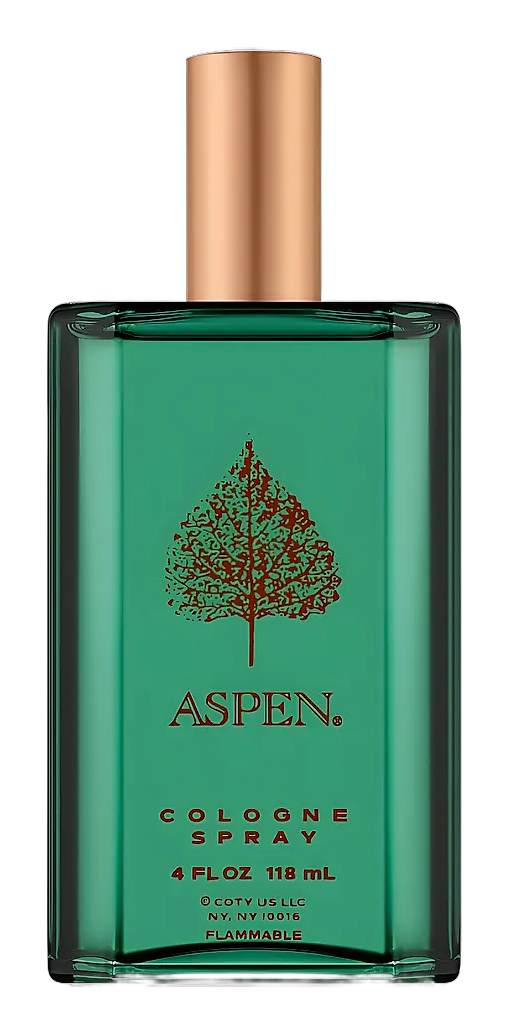
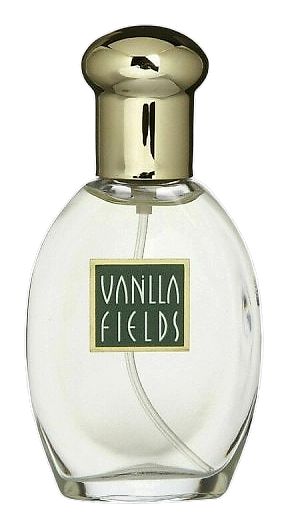
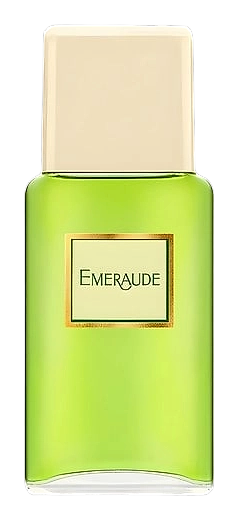

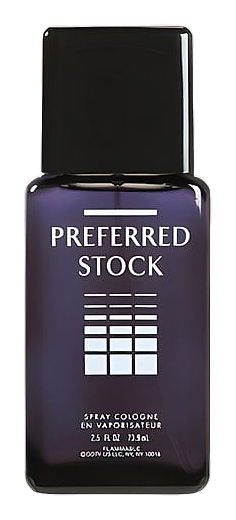
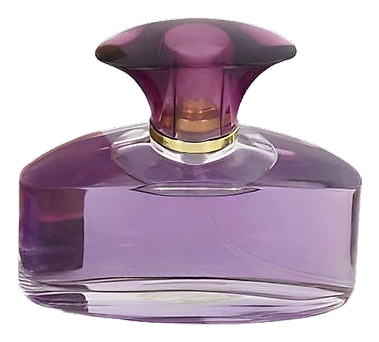
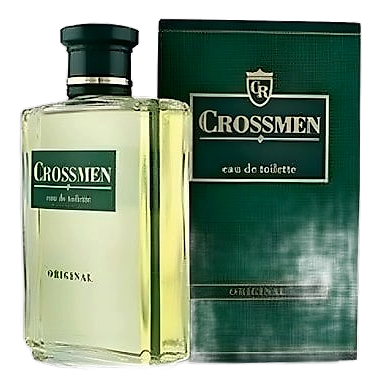
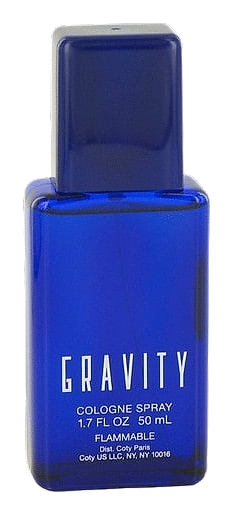






    Brand Profile

    Coty began in Paris in 1904 and grew into one of the longest‑running perfume houses in the world. Its early creations, such as La Rose Jacqu…More

    France·Est. 1904·Site

    3.9

    Rating

    50
    Emeraude Parfum by Coty
    Best Seller
    4.7

    Emeraude Parfum

    Chypre by Coty
    Best Seller
    4.7

    Chypre

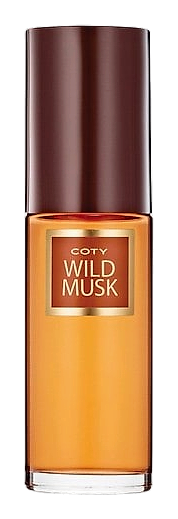
    WIld Musk Patchouli Blend by Coty
    Best Seller
    4.6

    WIld Musk Patchouli Blend

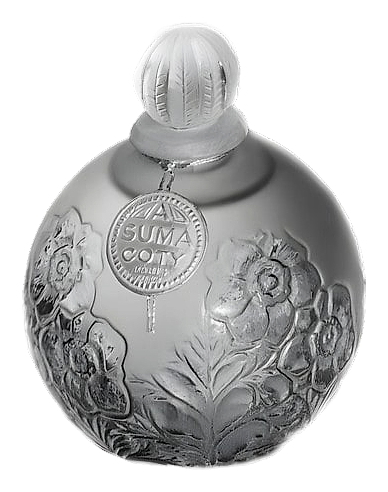
    A'Suma by Coty
    4.5

    A'Suma

    La Rose Jacqueminot by Coty
    4.5

    La Rose Jacqueminot

    Ambre Antique by Coty
    4.5

    Ambre Antique

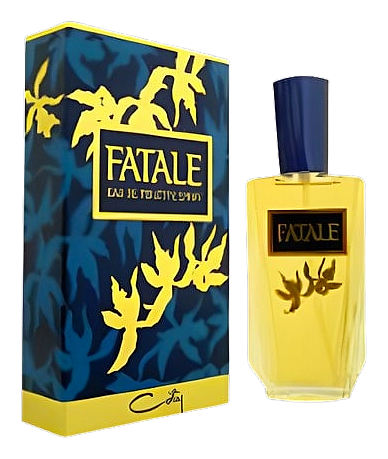
    Fatale by Coty
    4.5

    Fatale

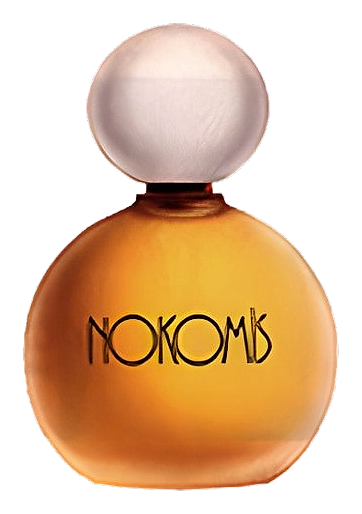
    Nokomis by Coty
    4.4

    Nokomis

    Toujours Masumi by Coty
    4.4

    Toujours Masumi

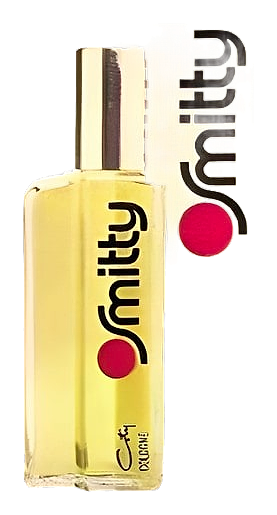
    Smitty by Coty
    4.4

    Smitty

    Les Muses by Coty
    4.4

    Les Muses

    Roots Spirit Woman by Coty
    4.3

    Roots Spirit Woman

    1 of 5

    The Heritage

    The Story of Coty

    Coty began in Paris in 1904 and grew into one of the longest‑running perfume houses in the world. Its early creations, such as La Rose Jacqueminot, introduced a modern sensibility that blended natural extracts with the new synthetic aromatics of the era. Over more than a century the brand has released dozens of scents that still appear on boutique shelves, from the chypre‑style Chypre (1917) to the amber‑rich Ambre Antique (1905). Today Coty balances its historic archives with contemporary collaborations, offering collectors and casual wearers a range of olfactory experiences that reflect both its French origins and its global reach.

    Heritage

    François Coty opened his first workshop in Paris in 1904, naming the house after his own surname. He launched La Rose Jacqueminot that same year, a soliflore built around a single rose note that quickly attracted the attention of Parisian society. Coty’s early success rested on his willingness to experiment with synthetic molecules, a practice that allowed him to create stable, affordable fragrances without sacrificing complexity. By 1917 he introduced Chypre, a composition that combined citrus top notes with oakmoss and patchouli, establishing a new fragrance family that other houses later emulated. In 1922 Coty expanded across the Atlantic, founding Coty, Inc. in New York to serve the growing American market. The company continued to diversify throughout the 1930s, adding a line of cosmetics and launching a series of five signature scents in 1939 that reinforced its reputation for breadth. Post‑World War II, Coty introduced Ambre Antique (1905) and Emeraude Parfum (1921) to a generation seeking nostalgic yet modern scents. The 1980s saw the release of Fatale (1988) and Les Muses (1986), reflecting contemporary trends while still referencing the brand’s classic DNA. Throughout its history, Coty has maintained a presence in both luxury boutiques and department stores, a duality that mirrors its founding principle of offering refined perfume to a wide audience. The house remains headquartered in New York but retains strong ties to its Parisian roots, preserving archives that document more than a century of olfactory innovation.

    Craftsmanship

    Coty’s production process begins with a careful selection of raw materials. Natural extracts are harvested from farms that meet the International Fragrance Association’s (IFRA) sustainability standards, while synthetic aroma chemicals are procured from suppliers that adhere to strict safety protocols. In the laboratory, perfumers blend these components in small batches, testing each formulation on blotter strips before moving to larger scale trials. The house still uses copper stills for the distillation of certain essential oils, a technique that preserves the subtle nuances of botanicals such as jasmine and bergamot. Quality control occurs at multiple stages: after blending, the mixture is aged in stainless‑steel tanks for a period that can range from weeks to months, allowing the notes to harmonize. Finished perfume is then filtered, diluted to the intended concentration, and transferred into hand‑blown glass bottles. Each bottle passes a visual inspection for clarity and uniformity before being sealed with a metal cap that bears the Coty monogram. The brand’s commitment to consistency has been documented in audits conducted by independent laboratories, which verify that each batch meets the original scent profile and complies with IFRA safety limits.

    Design Language

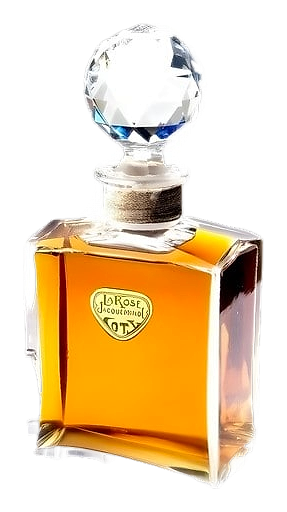
    Coty’s visual language reflects the elegance of early twentieth‑century French design while embracing contemporary minimalism. Classic bottles, such as the slender, faceted flacon of La Rose Jacqueminot, feature clean lines and a muted color palette that lets the perfume’s name take center stage. Modern releases often adopt matte black or soft pastel glass, paired with simple typography that echoes the brand’s historic signage. The Coty monogram appears as a subtle embossing on the cap, a nod to the founder’s original seal. Advertising imagery frequently showcases the perfume against neutral backdrops, allowing the scent’s story to unfold through scent notes rather than overt glamour. Retail displays follow the same restrained approach, using natural wood or brushed metal fixtures that highlight the bottles without distraction. This aesthetic continuity reinforces Coty’s identity as a house that values both heritage and understated sophistication.

    Philosophy

    Coty approaches perfume as a dialogue between tradition and invention. The house respects the formulas that defined early twentieth‑century French perfumery, yet it also encourages perfumers to reinterpret those structures with fresh ingredients. Its creative brief often emphasizes balance: a scent should offer a clear narrative while allowing the wearer to project personal meaning. Sustainability has become a guiding value; Coty sources many raw materials from certified farms and supports projects that protect biodiversity in regions such as Grasse and Madagascar. The brand also promotes transparency, publishing ingredient lists for most of its modern releases. By fostering long‑term relationships with both master perfumers and emerging talent, Coty aims to keep its scent library relevant without abandoning the heritage that first earned it a place in perfume history.

    Key Milestones

    1904

    François Coty founded the perfume house in Paris and launched La Rose Jacqueminot

    1917

    Introduced Chypre, establishing a new fragrance family

    1922

    Established Coty, Inc. in New York to serve the American market

    1939

    Released a series of five signature scents, expanding the brand’s portfolio

    1986

    Launched Les Muses, reflecting contemporary trends

    1988

    Introduced Fatale, a modern interpretation of classic oriental accords

    At a Glance

    Brand profile snapshot

    Origin

    France

    Founded

    1904

    Heritage

    122

    Years active

    Collection

    1

    Fragrances released

    Avg Rating

    3.9

    Community sentiment

    Release Rhythm

    2024
    1
    2021
    1
    2008
    1
    2005
    1
    2000
    1
    1998
    4
    1997
    3
    1996
    1
    coty.com

    Did You Know?

    Interesting Facts

    Distinctive details and defining moments that shape the house personality.

    01

    François Coty was one of the first perfumers to use synthetic aroma chemicals on a large scale, a practice that helped lower prices while preserving scent complexity.

    02

    Coty’s early marketing included a bottle design that featured a detachable crystal stopper, a novelty that appealed to collectors in the 1900s.

    03

    During World War II, the house shifted part of its production to the south of France to protect its raw material supplies from wartime shortages.

    04

    Coty’s archives contain original handwritten formula sheets from the 1900s, which are consulted by modern perfumers seeking authentic historical references.

    The Artisans

    The Perfumers