
The Story
Why it exists.
The beginning
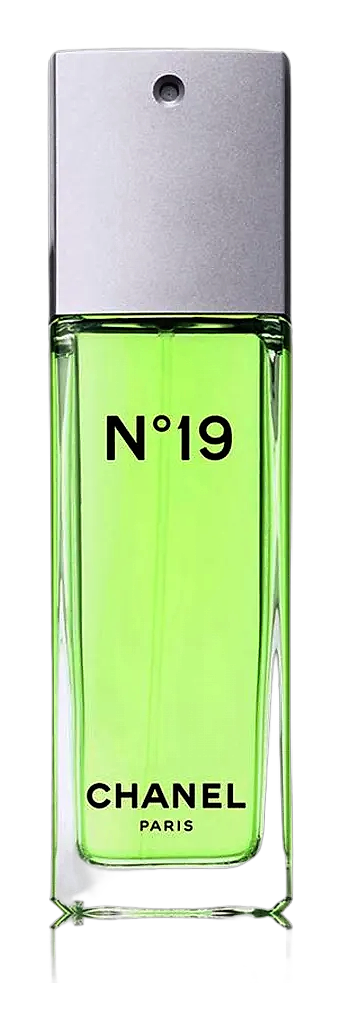
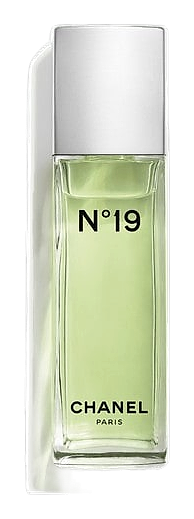
The number wasn't a coincidence. August 19, 1883, Gabrielle Chanel's birthday, became the fragrance's name, its quiet anchor. When Coco decided N°19 should exist, the people around her pushed back. Another women's fragrance alongside N°5? Impossible, they said. She refused to listen. Henri Robert was tasked with something nearly unthinkable: a composition with a personality as strong as N°5, but one that lived in entirely different territory. Not floral abstraction. Not aldehydic warmth. Green, powdery, uncompromising. The brief was clear. The result was N°19.
What makes N°19 structurally unusual is the galbanum-iris pairing. Galbanum is a brutal material, green, almost medicinal, the scent of a stem snapped at the base. It doesn't play well with softness. But iris is cool, powdery, almost waxy in its floralcy. Chanel put them together anyway. The heart notes, jasmine, lily of the valley, rose, ylang-ylang, don't soften the galbanum so much as provide contrast. They exist in parallel, not harmony. The base is where the work pays off: oakmoss and leather anchoring the whole thing into something that lasts, that settles, that becomes part of the skin rather than something applied to it.
The evolution
The opening is immediate. Galbanum arrives clean and almost aggressive, green without sweetness, no apology. Bergamot flickers underneath, a brief citrus brightness that most people miss entirely. Then the hyacinth kicks in, adding a slightly narcotic floral depth that tempers the green without diluting it. The drydown is where N°19 earns its reputation. Oakmoss creeps up slowly, the leather notes deepen, and the musk, cedarwood, and sandalwood base settles into something that reads as skin-warm rather than perfume-warm. The longevity is notable, with the scent lingering and evolving into a close, intimate presence on the skin.
Cultural impact
N°19 occupies a particular place in the Chanel lineup. It is the fragrance for someone who did not come to Chanel for comfort, but for something that would outlast the moment. The green-galbanum character was unusual even in 1971; the composition was deliberately bold and uncompromising. In 2023, that same daring spirit defines the scent, maintaining its status as a fragrance that prioritizes presence over trend.