Vincent Roubert
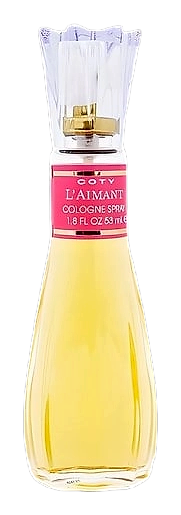
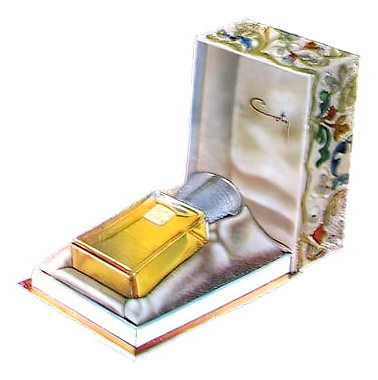
Vincent Roubert arrived in perfumery the way many in Grasse did: through inheritance. Born into the region's deep-rooted fragrance culture, he joined the Antoine Chiris house before World War II, training under the rigorous standards of a company that had supplied florals to Europe's finest fragrance houses for generations. Yet Roubert did not simply inherit tradition. He reimagined it. His work for Coty produced L'Aimant, a fragrance that married the cool, powdery depth of iris with the lush sweetness of peach in a way that felt both modern and timeless. He brought the same inventive spirit to Knize Sec, crafting a scent that balanced elegance with an unexpected edge. For decades, Roubert remained lesser-known, his contributions often overshadowed by the houses he served. Only recently have fragrance historians begun to trace his true impact, recognizing that some of the most enduring fragrances emerged not from prolific careers, but from a few masterful strokes.
The hits
Notable creations



The signature
How Vincent composes
Roubert's signature technique involved positioning two materials in conversation, letting their contrast create something greater than either could achieve alone. His use of iris was particularly striking. He drew from its cool, almost metallic earthiness and softened it with the velvet sweetness of peach, creating a tension that felt sophisticated rather than sweet. His work with Chiris gave him access to exceptional natural materials, and he deployed them with an economist's discipline. Every note in his compositions served a purpose. He favored florals that could carry weight without becoming heavy, and he had a particular gift for using fruit notes that suggested rather than shouted.
Philosophy
What drives Vincent
Roubert approached fragrance creation as a problem of balance. He sought the tension between opposites: cool against warm, earthy against sweet, familiar against surprising. Rather than overwhelming a composition with volume, he preferred to let a single brilliant pairing carry the work. His creative drive seemed rooted in restraint. He understood that power in perfumery often comes not from abundance, but from precision. Each fragrance he created felt intentional, a deliberate conversation between specific materials rather than a crowded chorus. This philosophy produced scents that reward attention, revealing nuance with each wearing.
The houses
Maisons Vincent composes for
In the same league