
The Story
Why it exists.
The beginning
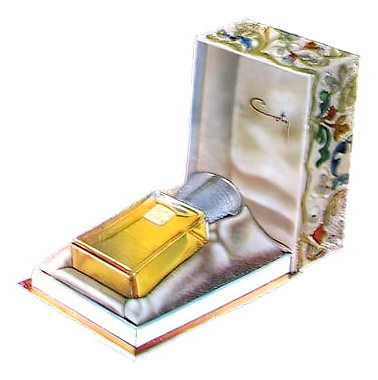
Vincent Roubert spent eight years developing Muse before Coty released it in 1946. Eight years for a single fragrance, that tells you something about what he was after. The name comes from Greek mythology: the Muses were the divine source of art, music, and inspiration. He built the opening around golden aldehydes and honey, then layered in peach and bergamot. The heart is where most perfumers would have stopped. Roubert kept going.
What makes this composition unusual is the combination of aldehydes with honey, two materials that can easily overwhelm each other. Roubert threaded them together with peach, letting the aldehydes do what they do best: lift and illuminate everything around them. The white florals that follow, gardenia, tuberose, jasmine, ylang-ylang, arrive with abundance, joined by rose and lily-of-the-valley, and they don't apologize for being present. In the base, leather and benzoin add a dry, slightly animalic edge that keeps the sweetness honest. This is not a safe fragrance. It was never trying to be.
The evolution
The aldehydes hit first, bright and effervescent. Bergamot and peach are there too, but the honey leads, sweet, golden, unapologetic. As the top notes soften, the white florals take over. Tuberose and gardenia dominate, heavy and creamy, while the aldehydes sink into the composition rather than disappear. Over time, the drydown arrives: amber, sandalwood, and vanilla create a warm, powdery foundation. The leather persists longest, keeping everything grounded. On fabric, it lingers for hours. On skin, it stays close and intimate, the kind of presence you notice when someone leans in.
Cultural impact
Muse belongs to the aldehydic floral family. The honey makes it warmer, the leather in the base gives it an edge. This is the aldehydic floral for people who want the form with something extra.