
The Story
Why it exists.
The beginning
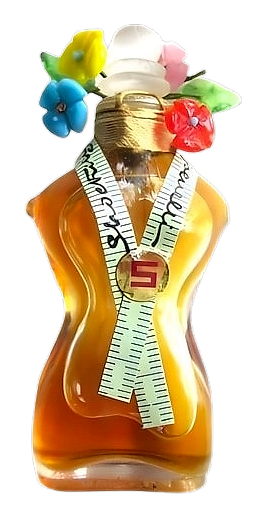
Schiaparelli launched Shocking in 1937, named after the brand's iconic 'shocking pink' color. The bottle, designed by Leonor Fini, was shaped like a dressmaker's dummy modeled on Mae West's body. This was deliberate provocation, Schiaparelli wanted the fragrance to match the surrealist shock of her fashion house, collaborating with artists like Salvador Dalí on designs that defied convention and scandalized bourgeois sensibilities.
The fragrance was created by perfumer Jean Carles, who approached the brief with a vision for something deliberately scandalous rather than conventionally beautiful. The heavy musk base and animalic richness were intentional choices that aligned with Schiaparelli's provocative brand identity. The pink color itself was chosen to shock and disrupt, embodying the brand's ethos of challenging norms through audacious design and sensuality.
The evolution
Originally launched in 1937, Shocking was reformulated in 1979 and again in 1997, maintaining its status as a classic fragrance. The 1979 version adjusted the civet to synthetic musks while preserving the aldehydic floral heart. The 1997 reformulation continued refining the balance while retaining the signature character. Throughout these iterations, Shocking has remained a bold, animalic chypre that commands attention and polarizes opinion, it is either intoxicating or repelling, never forgettable.
Cultural impact
Shocking represents the bold, avant-garde spirit of 1930s Paris fashion. Its name and packaging challenged conventions of what a luxury fragrance should be. Elsa Schiaparelli deliberately used scandal and sensuality as marketing tools, creating a fragrance that was provocative by design. The animalic richness and striking pink presentation shocked bourgeois sensibilities and became a symbol of liberation and audacity. This cultural positioning cemented Shocking as more than perfume, it was a statement piece that reflected the era's fascination with challenging boundaries in fashion and beauty.