








Heritage
A house, in its own words
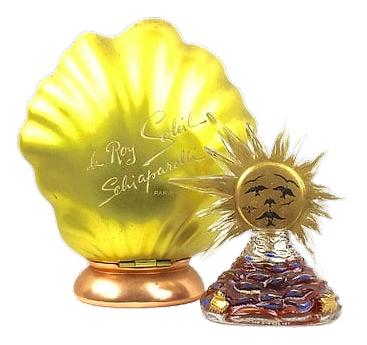
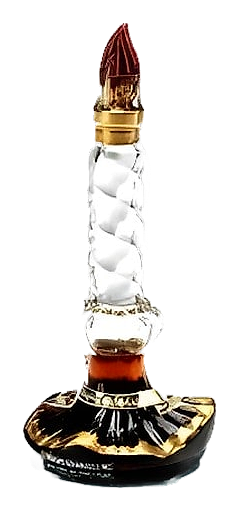
Elsa Schiaparelli arrived in Paris from Rome in 1922 and spent several years establishing herself within the city's creative circles before founding her couture house in 1927. Her rise coincided with the Surrealist movement flourishing in Paris, and she became close friends with artists including Salvador Dalí and Jean Cocteau, who would go on to collaborate on her designs. The relationship between fashion and Surrealism became one of Schiaparelli's defining characteristics. By the mid-1930s, her theatrical, provocative designs had made her one of the most talked-about couturières in Paris, rivaling Chanel herself in influence and publicity. Schiaparelli introduced her first perfume, S, in 1928, marking the beginning of a fragrance tradition that would prove just as revolutionary as her clothing. In 1934, she launched what is believed to be one of the first coordinated collections of perfumes released simultaneously, three scents named Salut, Schiap et Soucis presented in matching glass bottles. The house expanded its fragrance offerings throughout the 1930s and 1940s, with Shocking becoming the defining scent of 1937. Elsa's partnership with the Revlon company in the late 1950s brought her perfumes to a wider American audience. After Elsa's retirement, the house underwent periods of dormancy before being revived in the 21st century, with fragrance production resuming under new creative direction. The Schiaparelli approach to perfumery rejects the notion that a fashion house's scent should simply smell expensive or pleasant. Instead, the brand has historically treated fragrance as an extension of its theatrical, provocative identity. Elsa Schiaparelli believed perfume should tell a story and spark emotion, much like her surrealist-influenced couture. The house has consistently drawn inspiration from art movements, cultural moments, and provocative concepts rather than following fragrance industry conventions. Schiaparelli perfumes often carry names that announce their intentions boldly, from the confrontational Shocking to the playful Zut. This willingness to use scent as a vehicle for statement rather than mere luxury reflects Elsa's conviction that fashion and fragrance should provoke thought alongside admiration. The brand's fragrance program continues to operate from this belief that a perfume can be both wearable and conceptually daring, refusing to separate artistry from accessibility.