The Story
Why it exists.
The beginning
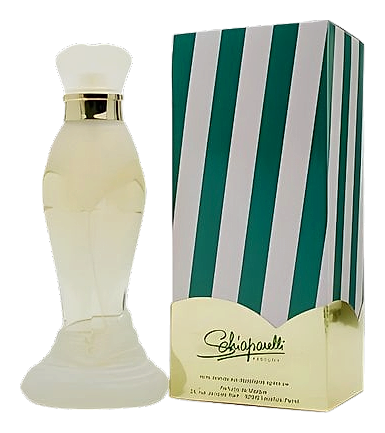
"Zut" is French for damn, a mild, almost theatrical exclamation of frustration that somehow becomes endearing when you say it out loud. That name, chosen by a house built on provocation and wit, announces exactly the kind of fragrance this is: not a polite gesture but a small, stylish act of defiance. The 1998 Zut was created by Nathalie Feisthauer working from Givaudan-Roure, though the composition traces its bones to an earlier formula she developed in 1949. The reintroduction nearly fifty years later speaks to something specific about Schiaparelli's fragrance philosophy, the house doesn't rerelease perfumes so much as resurrect arguments worth having again. Zut arrived in 1998 as part of a broader reconsideration of the house's olfactory identity, a decade when fashion fragrances were rediscovering that there was more to say.
The heart of Zut contains seven florals, but they don't announce themselves individually, they blend into a single, cohesive impression of powdery warmth. This is the fragrance's real trick: instead of smelling like a list of flowers, it smells like the memory of flowers, slightly abstract, definitely warm. Linden blossom is the unusual element here. Rare in Western perfumery, it carries a honeyed, slightly green quality, like standing under a tree in late spring when the air is thick with scent and sweetness. Combined with marigold's resinous depth and the iris-like earthiness of orris root, the heart achieves a yellow-floral character that feels sunlit without being bright.
The evolution
The opening hits fast, a brief tartness from blackcurrant and bergamot that clears the space. But the florals are already there, waiting underneath, and within minutes they've taken over. The transition isn't gradual so much as it's a reveal: the blackcurrant recedes like a curtain being pulled back, and suddenly you're in something warmer, stranger, more personal. The drydown is where Zut earns its reputation. Vanilla, tonka, sandalwood, a whisper of incense, these don't feel like notes so much as they feel like a place you're being invited into. The sillage shifts too. Strong enough to announce at first spray, but by the time the base arrives, it pulls close to the skin. Intimate. The kind of fragrance you lean in to catch. On fabric, on a scarf, on skin the next morning: that warm powder lingers for hours after the initial application fades. Vanilla and skin-warm wood, barely there but unmistakable. The kind of drydown that makes you reach for your wrist again, just to check.
Cultural impact
Zut arrived during a late-90s resurgence of oriental florals, but it carried something the broader trend missed: Schiaparelli's characteristic edge wrapped in genuine warmth. Where contemporaries went for safe sweetness, Zut delivered powdery florals with an almost cheeky confidence. The name itself, a mild French expletive, announced its intentions. It didn't ask to be liked. It asked to be noticed, remembered, worn again.